



Human crochet hair can look soft, natural, and full when it is cared for correctly. Unlike basic synthetic crochet hair, crochet human hair needs a routine that protects moisture, reduces friction, and keeps the texture from drying out. Whether you wear Deep Wave, Wet & Wavy, Burmese Curly, or Kinky Straight crochet hair, the right care habits can help the style stay cleaner, softer, and easier to manage.
This guide explains how to care for human crochet hair after installation, including daily refreshing, washing, detangling, frizz prevention, and texture-specific care. It also highlights Luvme crochet hair options that are easier to maintain based on curl pattern and styling goal.
Table of Contents
- Why Human Crochet Hair Needs a Different Care Routine
- Daily Care Routine for Human Crochet Hair
- How to Wash Human Crochet Hair Without Ruining the Style
- How to Detangle Human Crochet Hair Safely
- How to Care for Different Human Crochet Hair Textures
- How to Prevent Frizz, Tangling, and Shedding
- Best Luvme Crochet Hair Options for Easier Care
- Conclusion
Why Human Crochet Hair Needs a Different Care Routine
Human crochet hair usually feels softer and moves more naturally than synthetic crochet hair, but it also reacts more like real hair. That means it can become dry, tangled, or dull if it is not moisturized and protected. The benefit is that human hair crochet can often be refreshed with gentle care instead of becoming stiff or hard to revive.
A good care routine should focus on three things: keeping the crochet hair lightly moisturized, keeping the braid base and scalp clean, and reducing friction during sleep. This is especially important for Luvme crochet human hair because the goal is to maintain a natural-looking protective style without weighing the hair down.
Daily Care Routine for Human Crochet Hair
Refresh With Lightweight Moisture
Use a water-based mist or a small amount of leave-in spray on the mid-lengths and ends. The hair should feel soft, not wet or sticky.
Finger-Shape the Curls or Waves
Use your fingers to reshape curls and waves instead of brushing through the whole style. This helps keep definition and reduce frizz.
Keep the Scalp Clean
Apply scalp care products carefully between the braids. Avoid heavy oils that can collect at the base and cause buildup.
Avoid Overloading Product
Too much cream, oil, or gel can make crochet hair feel coated. Use light layers and only add more when the hair truly feels dry.
How to Wash Human Crochet Hair Without Ruining the Style
You can wash human crochet hair, but the process should be gentle and controlled. The goal is to clean the scalp and refresh the hair without loosening the crochet knots, roughing up the curl pattern, or creating tangles at the braid base.

Wash gently from the scalp downward and avoid scrubbing the crochet texture in circles.
- Step 1: Separate the hair into loose sections. Before adding water, divide the crochet hair into 4–6 loose sections with your fingers. This keeps the hair organized and helps prevent deep wave, wet and wavy, or curly crochet textures from matting together during washing.
- Step 2: Focus on the scalp and braid base first. Dilute a gentle shampoo with water, then apply it directly to the scalp and between the cornrows. Use the pads of your fingers to cleanse the scalp softly. Do not scratch aggressively or pull at the crochet knots.
- Step 3: Smooth shampoo down the crochet hair. For the crochet hair itself, smooth the shampoo downward from mid-lengths to ends. Avoid circular rubbing, twisting, or piling the hair on top of the head because this can create tangles and frizz.
- Step 4: Rinse in the same downward direction. Let lukewarm water flow from the scalp down through the hair. Keep the sections loose and aligned while rinsing. Make sure shampoo is fully removed from both the braid base and the crochet hair.
- Step 5: Condition the mid-lengths and ends. Apply a lightweight conditioner mainly to the mid-lengths and ends, where human crochet hair usually feels driest. Avoid heavy conditioner directly at the roots or knots because it can create buildup and make the base feel slippery.
- Step 6: Blot and air dry completely. Gently squeeze out excess water with a towel. Do not wring or twist the hair. Let the crochet hair air dry fully before sleeping, styling, or covering it tightly, because damp hair plus friction can lead to matting.
How to Detangle Human Crochet Hair Safely
Detangling should always be gentle. Start from the ends and work upward in small sections. Use your fingers first to separate knots, then use a wide-tooth comb only if needed. For curly crochet human hair, dry brushing can break apart the curl pattern and create frizz, so avoid brushing through the entire style when it is dry.
If a section feels rough, add a little moisture before detangling. Never pull through a knot from the root, because that can loosen the install or stress the braid base. Gentle detangling is one of the easiest ways to make crochet hair last longer.
How to Care for Different Human Crochet Hair Textures
Different human crochet hair textures need slightly different care. Use the examples below to match your refresh routine with the texture you wear most often.
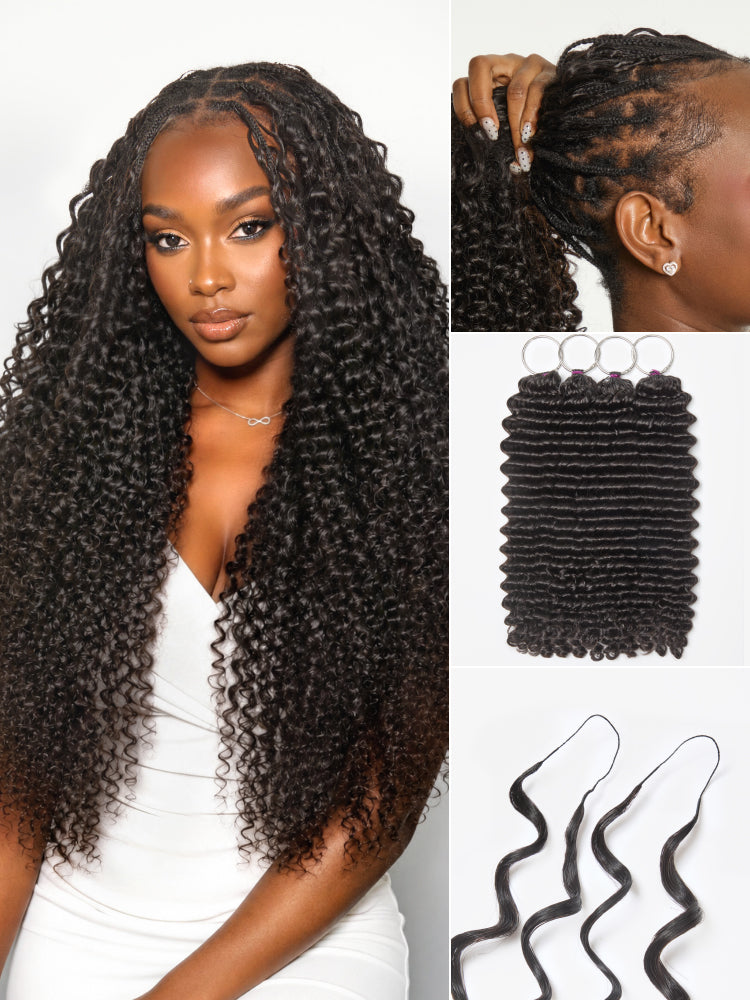
Deep Wave Crochet Hair
Deep Wave crochet hair needs curl definition. Refresh with a light mist, scrunch upward, and avoid combing too often so the wave pattern stays full.

Wet & Wavy Crochet Hair
Wet & Wavy texture responds well to light moisture. Use water-based refresh sprays and let the hair air dry naturally for a softer finish.
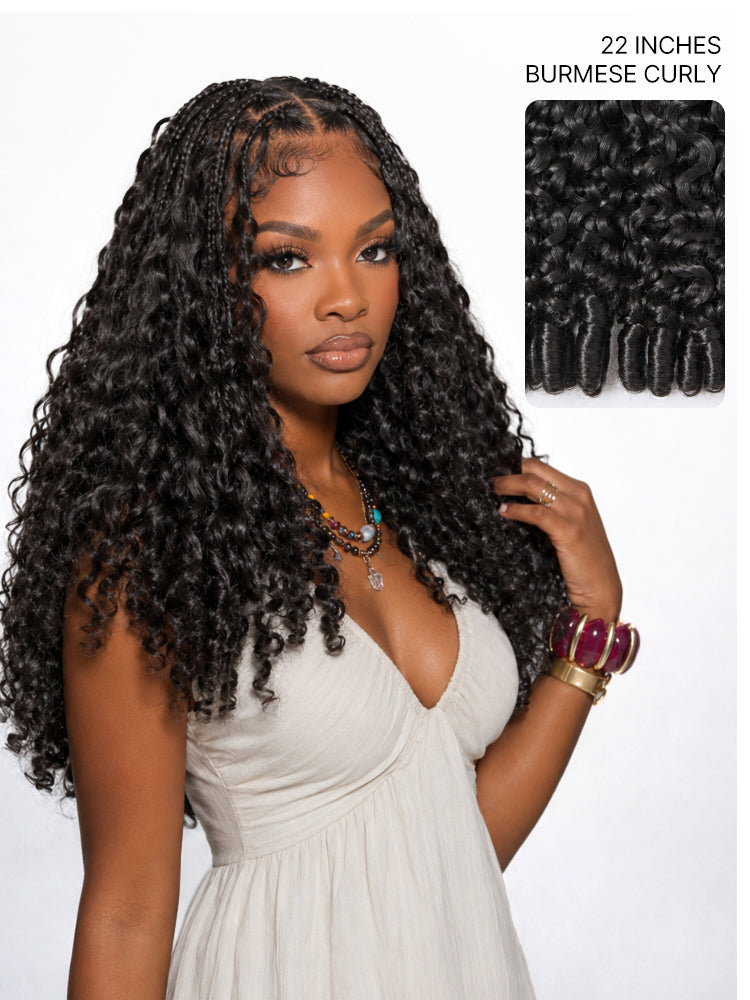
Burmese Curly Crochet Hair
Burmese Curly texture looks best when curls are separated by hand. Use small sections and avoid heavy products that can flatten the volume.

Kinky Straight Crochet Hair
Kinky Straight crochet hair needs smoothing and light detangling. Keep it soft with minimal product and protect it at night to reduce friction.
How to Prevent Frizz, Tangling, and Shedding
Most frizz and tangling come from friction, dryness, product buildup, or rough handling. Protect the hair at night with a satin bonnet or scarf, and loosely gather longer crochet styles before bed. If you wear a deep wave or curly crochet texture, separate curls gently instead of pulling through them.
To reduce shedding, avoid tugging at the knots or combing from the base. Keep detangling focused on the ends and mid-lengths. If the hair starts feeling heavy or sticky, it may be product buildup rather than damage. A gentle cleanse and air dry can help restore softness.
Best Luvme Crochet Hair Options for Easier Care
Choosing the right texture can make care easier. If you want fuller curl definition, choose Deep Wave. If you prefer a smoother look that shows length clearly, choose Kinky Straight or a straight crochet texture. If you want soft color dimension, Ombre Brown Deep Wave is a strong direction. You can explore more options in the Luvme crochet hair extensions collection based on your texture and care routine.
Best for Curl Definition
Choose Deep Wave or Burmese Curly if you like volume and defined texture. These styles need light moisture, finger shaping, and night protection.
Best for Easy Smoothing
Choose Kinky Straight or silky straight crochet textures if you prefer a smoother finish that needs lighter detangling and less curl reshaping.
Conclusion
Caring for human crochet hair is mainly about light moisture, gentle detangling, scalp cleanliness, and night protection. Avoid heavy product buildup, rough brushing, and sleeping with damp hair. When you care for crochet human hair correctly, it can stay softer, look more natural, and remain easier to reuse than many synthetic crochet styles.
For Luvme crochet human hair, choose the texture that fits your care routine. Deep Wave and Burmese Curly offer fullness and definition, Wet & Wavy gives a softer refreshed look, and Kinky Straight is easier when you want a smoother finish. With consistent care, human hair crochet can support a polished protective style that feels comfortable and natural.


 + 1
+ 1
 + 1
+ 1
 + 44
+ 44