OwnScalp™ Light Weight Flexi-Fit Invisi Drawstring Cap Full Lace Knotless Boho Curls Braided Long Wig Super Natural Scalp Pre-Cut Lace
NatureMAX™ 200% Density Loose Wave Glueless 13x6 HD Lace Front Wig Human Hair Pre-Cut Lace Flexi-Fit Drawstring Cap
Luvme All-Day Comfort™ Wig PartingMax Glueless 7x6 Closure HD Lace Loose Body Wave Long Wig Pre-Cut Lace
PreMax Blonde Mix Black Loose Wave Glueless 5x5 HD Lace Closure Wig Large & Small Cap
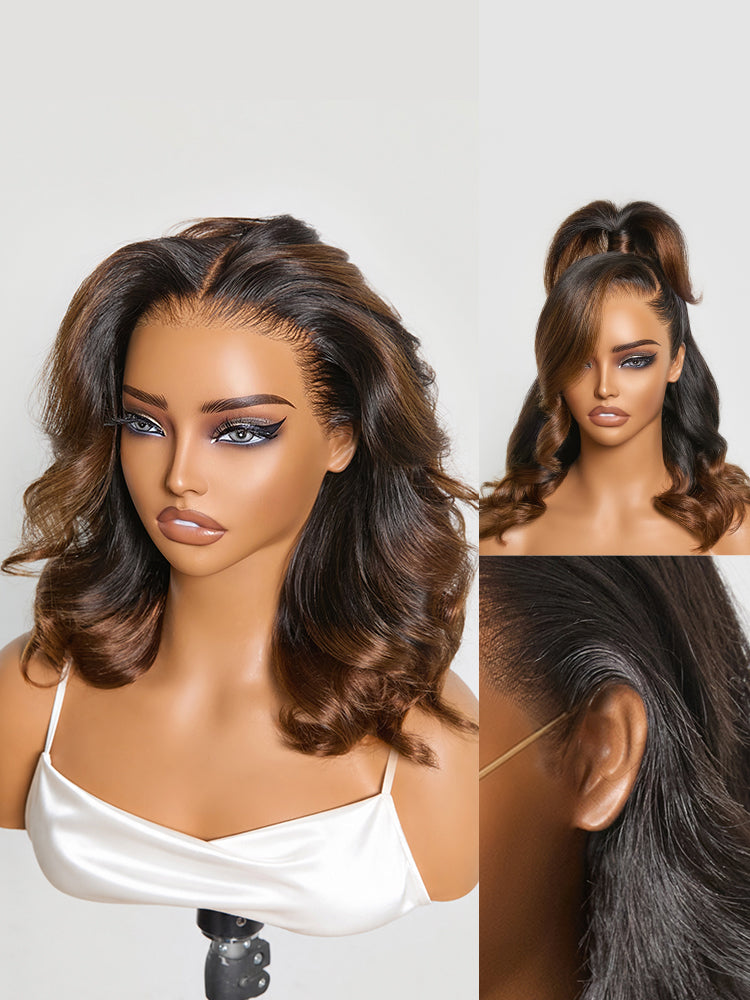
Luvme All-Day Comfort™ Wig 180% Density Ombre Brown Butterfly Cut Layered Light Yaki Straight Glueless 7x6 Closure HD Lace Human Hair Wig Pre-Cut Lace
Luvme All-Day Comfort™ Wig 180% Density Ombre Blonde Highlight Loose Body Wave Glueless 7x6 Closure HD Lace Human Hair Wig with Bangs Pre-Cut Lace
NatureMAX™ 250% Density Loose Wave Glueless Ear-to-ear 13x4 HD Lace Front High Density Wig Pre-Cut Lace Flexi-Fit Drawstring Cap
NatureMAX™ Silky Straight Glueless Ear-to-ear 13x4 HD Lace Front Wig Pre-Cut Lace
NatureMAX™ 250% Density Loose Wave Glueless 13x6 HD Lace Front High Density Long Wig Pre-Cut Lace Flexi-Fit Drawstring Cap
NatureMAX™ 180% Density Ash Blonde Silky Straight Glueless Ear-to-ear 13x4 HD Lace Front Wig Pre-Cut Lace Flexi-Fit Drawstring Cap
AiryFit™ Scalp Care Wigs - Silky Straight Middle Part Glueless 5x5 Closure Lace Long Wig Pre-Cut Lace
PreMax Wigs - 180% Density Body Wave / Straight Glueless 13x4 Frontal Lace Long Wig Pre-Cut Lace
Hair extensions can add length, fullness, texture, or targeted styling without relying on one installation method. Luvme hair extensions include removable clip-ins, hair bundles for installed styles, and crochet hair for braid-based looks. The best option depends first on how you want to wear the hair, then on texture, length, weight, quantity, and color.
Quick Answer: Choose the extension method first, then compare texture, length, weight, quantity, and color.
Compare Hair Extension Types
REMOVABLE
Clip-In Hair Extensions
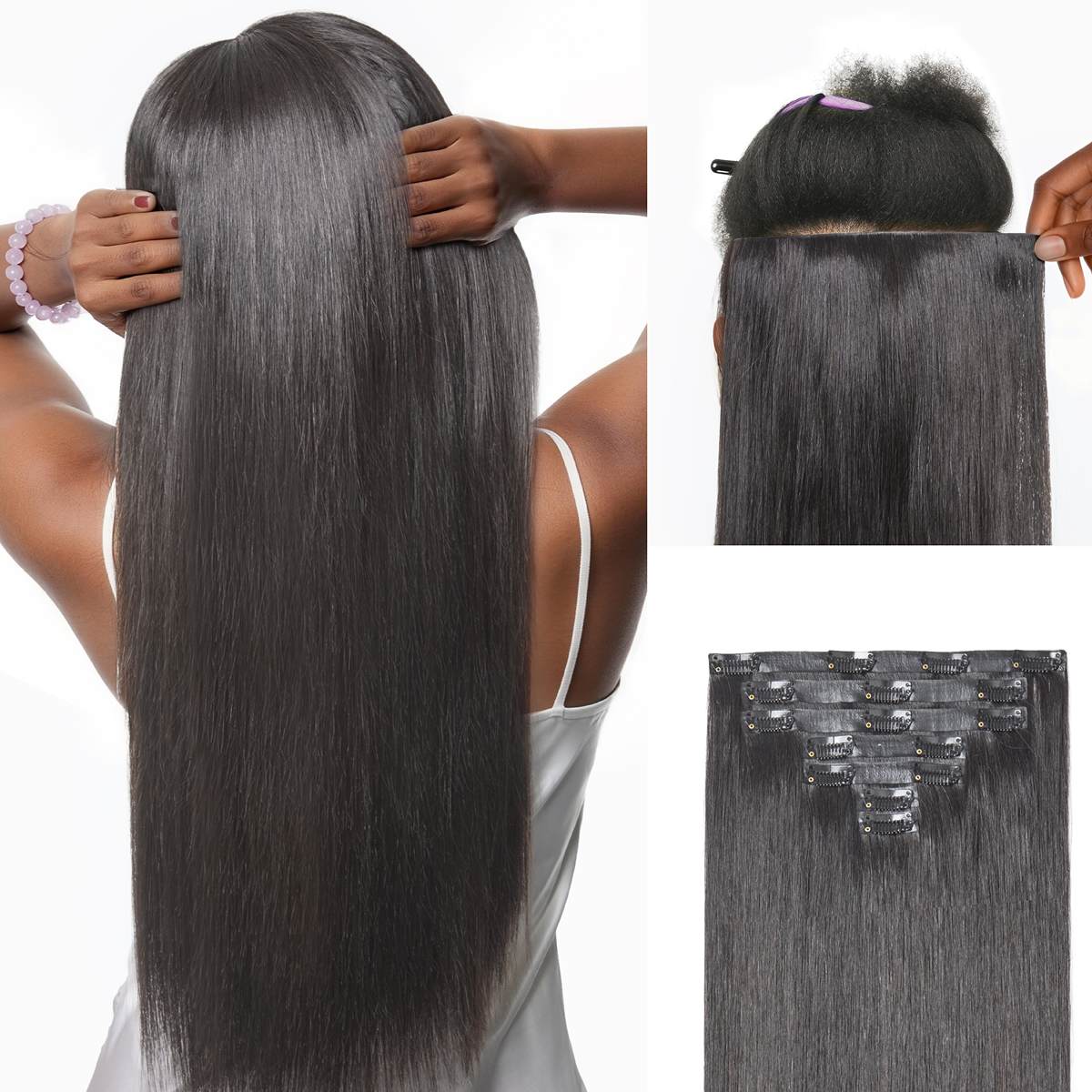
Clip-ins use removable wefts with attached clips, making them suitable for flexible styling without a longer-wear installation. Compare the total set weight, number of pieces, texture, and how well the extensions blend with the visible natural hair.
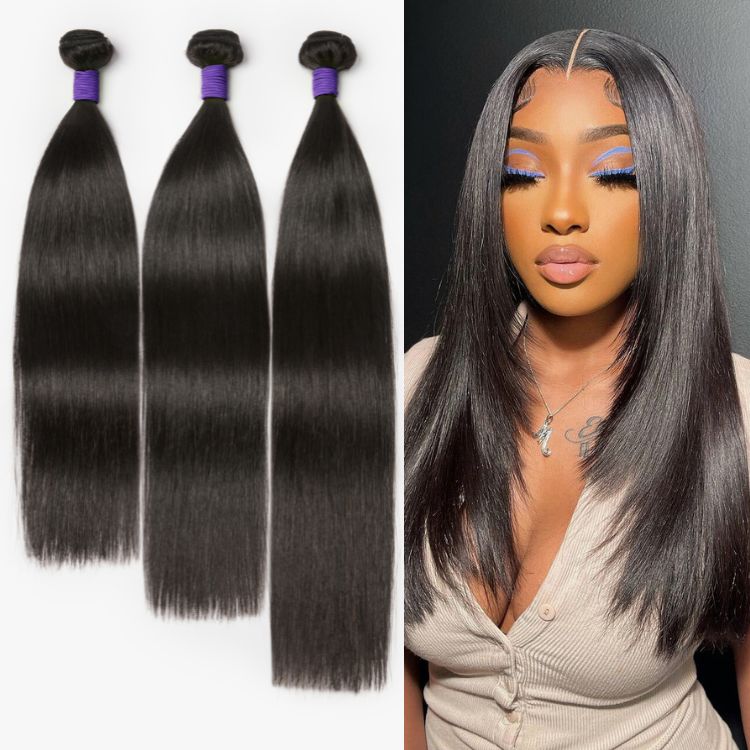
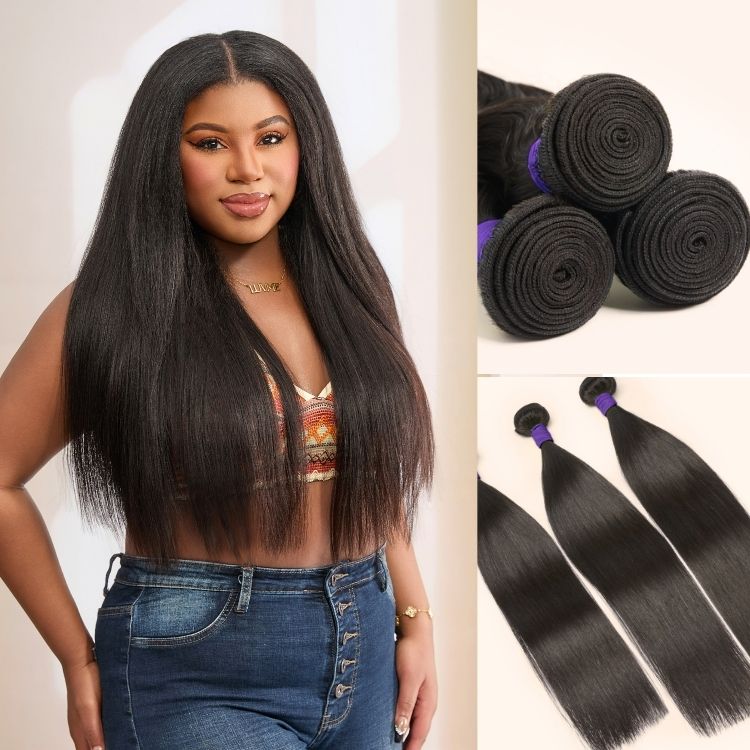
Bundles are wefted hair used for sew-ins, quick weaves, custom wigs, and other installed styles. Compare bundle quantity, weight, length, texture, and the amount of fullness needed for the finished look.
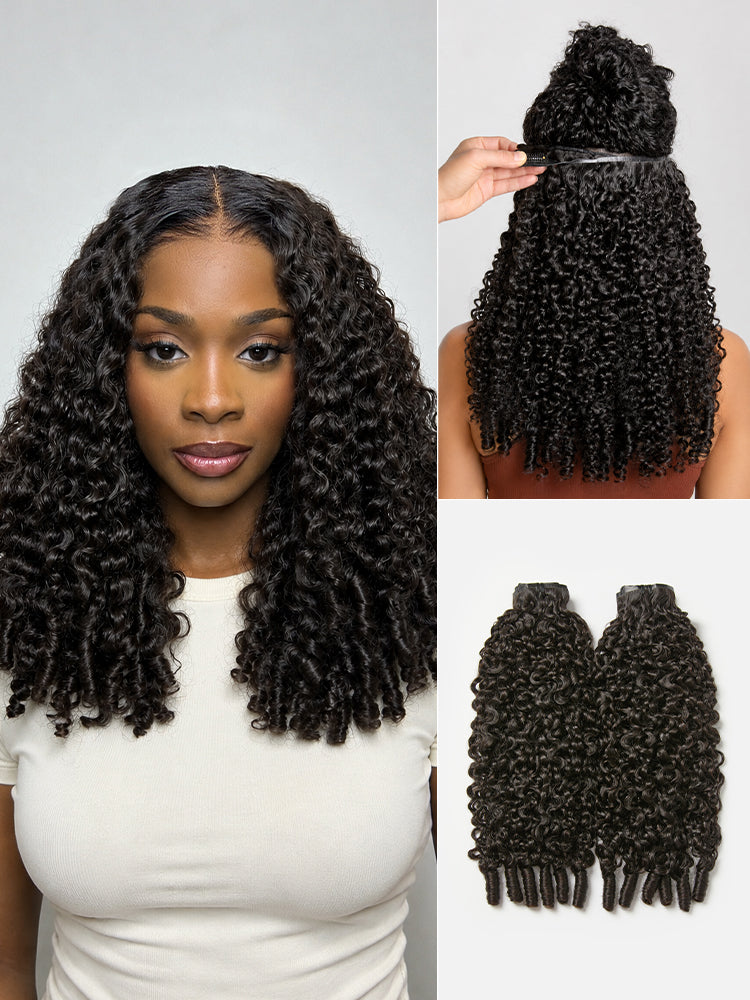
Crochet hair is prepared for crochet or braid-based styling. Choose the format and texture according to the style you plan to create, then check how much hair is included and how many packs or pieces may be needed.
Start with the wearing method. Clip-ins are removable, bundles are designed for installed or custom styles, and crochet hair works with braid-based installation methods.
02
Match the Texture
Compare straight, yaki, wavy, curly, kinky, or other available textures with the finished style you want. When natural hair remains visible, pay attention to how the roots, mid-lengths, and ends will blend.
03
Compare Weight, Quantity & Length
Extension fullness depends on more than length alone. For clip-ins, review set weight and piece count. For bundles, compare quantity and weight. For crochet hair, check the format and amount included. Curly and wavy textures can also appear shorter than straighter hair at the same listed length.
04
Check Color & Maintenance
Compare the color across several product images rather than relying only on the shade name. Also consider how often the extensions will be installed, removed, washed, or restyled because maintenance varies by extension method.
SHOP BY MATERIALLooking Specifically for Human Hair?
If hair material is your main priority, explore human hair extensions and compare the material description, texture, length, color, processing details, and product-specific styling guidance. Extension method and hair material are separate choices, so check both before ordering.
Simple care: Detangle gently according to the extension format, keep attachment areas free from heavy product buildup, and store removable extensions clean and fully dry. Follow the individual product instructions before using heat, coloring, bleaching, or other chemical processing.

















 + 1
+ 1
 + 1
+ 1
 + 44
+ 44