



Many people choose a wig by color, length, or model photos first, then realize the style changes how their face shape looks. A bob may highlight the jawline, full bangs may shorten the face, and long straight hair may make some faces appear even longer.
The best wig for your face shape is not about following strict rules. It is about understanding what you want to balance: face length, cheek fullness, jaw width, forehead width, cheekbone definition, or overall softness. This guide explains why a wig may not feel flattering, how wig features affect facial proportions, and how to choose a style that supports your everyday look.
Why a Wig May Not Suit Your Face Shape
A wig can look beautiful on a model but feel different on you because every style changes visual balance. The issue is usually not your face shape itself. It is the way the wig's parting, bangs, layers, texture, length, and volume interact with your facial proportions.
For example, heavy cheek-level volume can make a round face appear wider. A very long, flat, center-part style can make an oblong or rectangle face look longer. A blunt chin-length bob may draw more attention to a strong jawline, while soft waves or side-swept layers can make the same area look more balanced.
How to Determine Your Face Shape
Move your hair away from the hairline and look straight into a mirror. Compare your face length with the widths of your forehead, cheekbones, and jaw. Then notice whether your jaw and chin appear rounded, broad, angular, narrow, or pointed.
| Face Shape | Simple Identification Clues | Main Styling Goal |
|---|---|---|
| Oval | Slightly longer than wide, with wider cheekbones and a softly narrowing jaw. | Maintain balance and highlight favorite features. |
| Rectangle | Longer than wide, with straighter sides and a defined, angular jaw. | Soften angles and reduce a strong vertical line. |
| Round | Length and width are similar, with full cheeks and a rounded jaw. | Create vertical direction and avoid excess cheek-level width. |
| Square | Length and width are similar, with a broad forehead and defined jaw. | Soften the jawline and add movement. |
| Inverted Triangle | Forehead is the widest area, and the face narrows toward the jaw. | Balance a wider upper face with lower-face softness. |
| Heart | Broad upper face with a distinctly narrow or pointed chin. | Soften the forehead and add fullness near the chin. |
| Diamond | Cheekbones are widest, while the forehead and jaw are narrower. | Highlight cheekbones while adding softness above or below them. |
| Triangle | Jaw is wider than the cheekbones and forehead. | Add upper-face volume and soften a wider jaw. |
| Oblong | Noticeably longer than wide, with softer sides and a rounded jaw. | Add width and avoid making the face look longer. |
How Wig Features Change Facial Proportions
Parting
Center parts emphasize symmetry and vertical direction. Side parts create asymmetry and can shift attention away from the widest part of the face.
Bangs
Full bangs visually shorten the face. Curtain bangs and side-swept bangs soften the forehead while keeping more of the face visible.
Layers
Long front layers can lengthen the outline. Cheekbone or jaw layers direct attention sideways and help reshape the visual frame.
Texture and Volume
Crown volume creates height. Side volume adds width. Waves near the chin can balance a narrower lower face or soften sharper angles.
Length and Density
Bobs highlight the jaw, shoulder lengths add horizontal movement, and long wigs strengthen vertical lines. Higher density creates more visual weight.
Best Wig Styles for Each Face Shape
Each recommendation below combines a face shape with a wig silhouette that supports a particular visual-balancing goal. If your face combines more than one shape, choose the styling goal that matches what you want to balance most.

Oval Face
Oval faces have balanced proportions, softly rounded lines, and cheekbones that are usually slightly wider than the forehead and jaw. Pixies, bobs, body waves, layered straight wigs, and long curls can all work well.
Best approach: Choose according to the feature you want to highlight. A side-parted wavy lob adds movement without overwhelming the face, while a sleek bob can emphasize the jaw and neck.
Wig Features to Explore
- Layered bobs
- Soft body waves
- Center or side parts
- Balanced crown volume

Rectangle Face
Rectangle faces combine noticeable length with straighter sides and a defined jaw. One uninterrupted straight length may make the face appear longer and more angular.
Best approach: Try curtain bangs, shoulder-length waves, layered lobs, side volume, or cheekbone-level layers to soften angles and interrupt a strong vertical line.
Wig Features to Explore
- Curtain bangs
- Shoulder-length waves
- Side fullness
- Cheekbone layers

Round Face
Round faces have similar length and width with fuller cheeks and a soft jawline. Too much cheek-level width can make the face look wider.
Best approach: Use deep side parts, longer front layers, angled bobs, and subtle crown lift to create a stronger vertical direction. Short wigs can still work when the shape is angled or off-center.
Wig Features to Explore
- Deep side parts
- Long front layers
- Angled bobs
- Subtle crown height

Square Face
Square faces have relatively equal length and width with a broad forehead and defined jaw. Blunt, jaw-level cuts may make the lower face look stronger when the goal is softness.
Best approach: Choose soft waves, curved layers, side-swept fringe, or layered lobs. Let the ends fall above or below the widest part of the jaw for a softer effect.
Wig Features to Explore
- Side-swept fringe
- Loose or deep waves
- Layered lobs
- Curved ends

Inverted Triangle Face
Inverted-triangle faces are widest around the forehead and narrow toward the jaw. Very high crown volume can make the upper face look wider when lower-face balance is the goal.
Best approach: Use side-swept fringe, chin-length texture, shoulder-length cuts, or lower-face volume to soften the forehead and create a more even silhouette.
Wig Features to Explore
- Side-swept bangs
- Chin-level texture
- Shoulder-length cuts
- Lower-face volume

Heart Face
Heart faces have wider upper proportions and a narrow or pointed chin. When all volume sits around the temples, the upper face may appear wider.
Best approach: Curtain bangs, side fringe, chin-length bobs, jaw-level curls, and shoulder waves help connect the forehead, cheekbones, and lower face.
Wig Features to Explore
- Curtain bangs
- Chin-length bobs
- Jaw-level curls
- Soft shoulder waves

Diamond Face
Diamond faces are widest at the cheekbones and narrower at the forehead and jaw. Placing all volume directly at cheek level can overemphasize the widest area.
Best approach: Side fringe, soft bobs, layered waves, temple volume, and chin movement can add fullness above or below the cheekbones while preserving their definition.
Wig Features to Explore
- Side fringe
- Temple volume
- Medium layered bobs
- Soft chin movement

Triangle Face
Triangle faces are widest through the jaw and narrower around the forehead. Heavy lower ends may make the jawline look wider.
Best approach: Crown lift, temple volume, butterfly layers, and side-swept bangs move visual weight upward while tapered lower ends keep the bottom lighter.
Wig Features to Explore
- Butterfly layers
- Crown volume
- Side-swept bangs
- Tapered lower ends

Oblong Face
Oblong faces are noticeably longer than wide but usually have softer sides and a more rounded jaw than rectangle faces. Very long, flat styles may create too much uninterrupted length.
Best approach: Full bangs, curtain fringe, shoulder curls, side volume, and cheek-level layers add horizontal movement and help balance facial length.
Wig Features to Explore
- Full or curtain bangs
- Shoulder-length curls
- Side volume
- Cheek-level layers
How to Use Luvme AI to Find a Wig That Flatters Your Face Shape
Luvme AI can help you preview how different wig styles may frame your face.
Find a Face-Flattering Wig With Luvme AI
If you are not sure which wig will soften your jawline, make your face look longer, balance a wider forehead, or add the right amount of volume, Luvme AI can help you compare styles before you choose.
Use the AI preview as a practical starting point. It can show how different lengths, parting styles, bangs, layers, and textures may change the way your face is framed, so you can narrow down wigs that better match your face shape and personal style.
- Try short, medium, and long wig silhouettes to see which length flatters your face.
- Compare bangs, side parts, layers, and curls to find a better face-framing effect.
- Use the preview together with cap fit, density, comfort, and your daily styling needs.
How to Avoid Choosing the Wrong Wig for Your Face Shape
Do Not Judge by Model Photos Only
Look at the parting, hairline, layers, length, and volume placement. These details often matter more than the exact wig color.
Choose Adjustable Styling When Unsure
If you are not sure about your face shape, choose styles with flexible parting, soft layers, and natural density.
Compare With Your Favorite Hairstyles
Before buying, compare the wig shape with hairstyles you already like on yourself. This helps avoid choosing a style that looks good online but feels unfamiliar in real life.
Test Styling Before Deciding
After receiving the wig, try a side part, middle part, tucked-behind-ear look, or soft waves before deciding whether the style suits you.
Conclusion
The best wig for your face shape is not determined by one approved hairstyle. Identify your facial length, widest area, and jaw outline, then decide whether you want to preserve, emphasize, or visually rebalance those proportions.
Luvme AI can help you preview face-flattering wig options, but the final choice should still consider cap fit, comfort, density, texture, and your personal routine.
FAQ About Choosing a Wig for Your Face Shape
How do I know which wig suits my face shape?
Compare your face length, forehead width, cheekbone width, and jaw shape. Then choose wig features that support your goal, such as adding length, softening angles, or balancing a wider forehead.
Can Luvme AI help me choose a wig for my face shape?
Yes. Luvme AI can be used as a helpful starting point to preview face-framing effects, compare different wig styles, and narrow down options that may better flatter your face shape. For the final choice, also consider cap fit, comfort, density, and your personal styling preference.
What wig style makes a round face look slimmer?
Deep side parts, longer front layers, angled bobs, and subtle crown height can create more vertical direction and make a round face appear longer.
Luvme Wigs to Explore by Styling Goal
These six wigs demonstrate different face-framing tools rather than belonging to only one face shape. Compare the layers, fringe, texture, and volume placement first, then review the current product options.

Blonde or Brown Highlight Short Layered Bob Wig
Short layers add movement around the cheeks and jaw without creating a heavy blunt perimeter.
View Product
Effortlessly Chic Butterfly Cut Layered Wavy Wig
Airy butterfly layers lift the upper silhouette and create curved face-framing movement.
View Product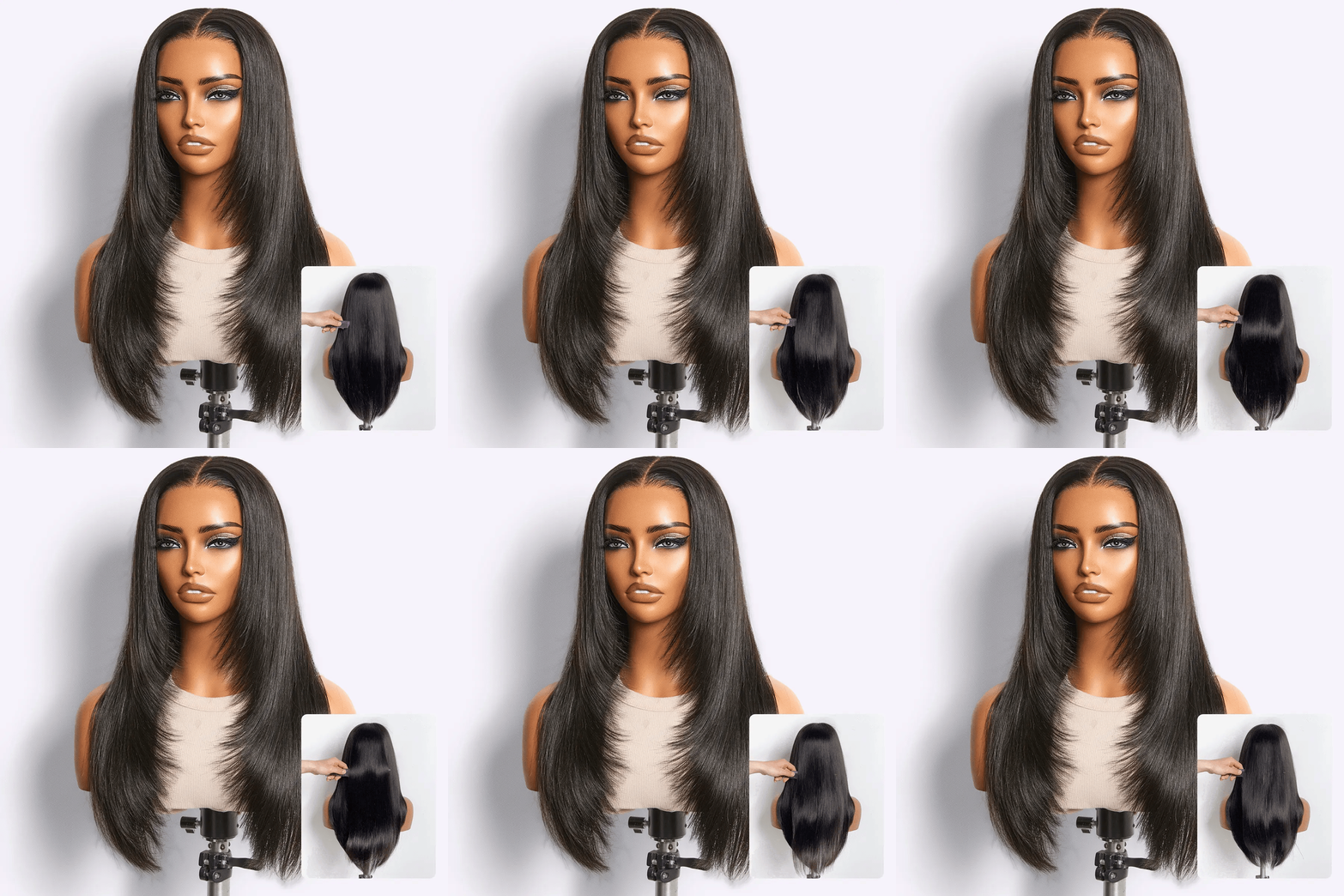
PreMax Face-Framing Layered Silky Straight Wig
Long front pieces create downward direction while preserving movement around the face.
View Product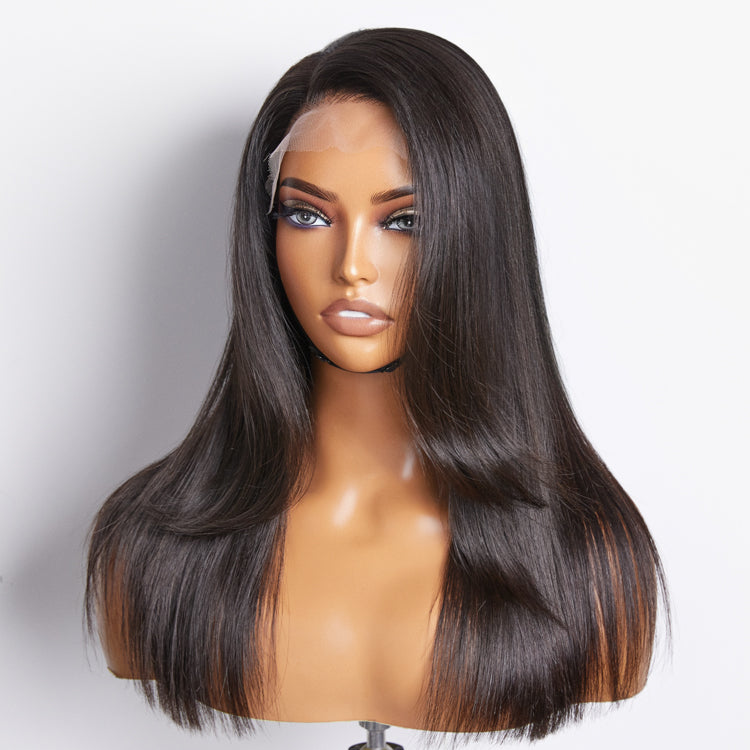
Layered Bangs Silky Straight 5x5 Closure Wig
Layered fringe visually shortens the upper face and directs attention toward the eyes.
View Product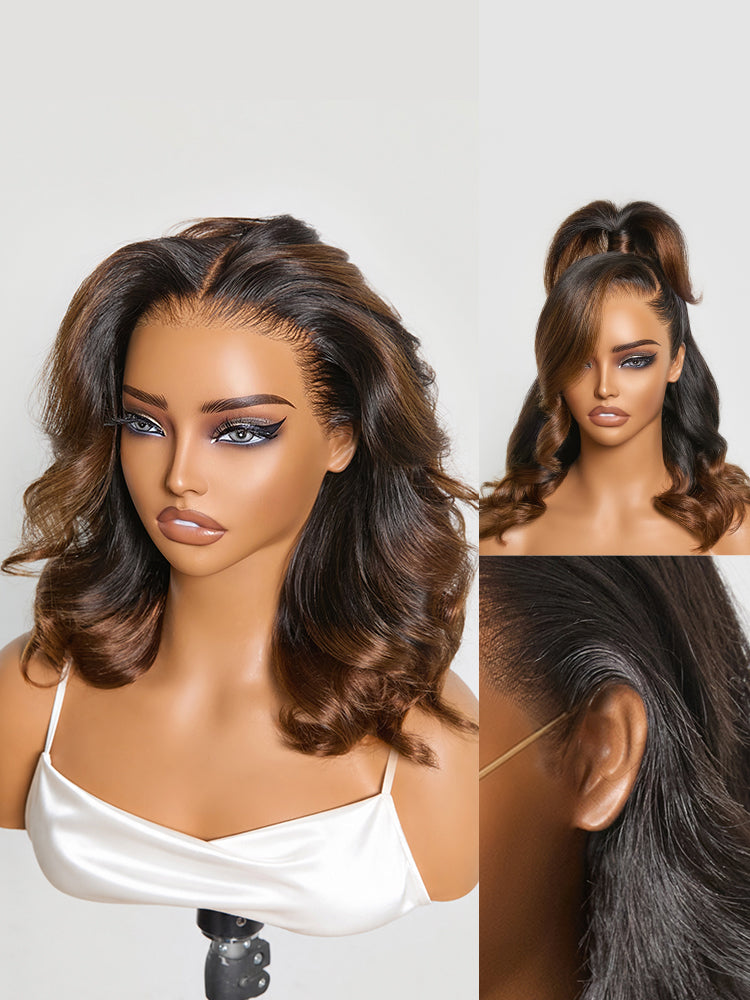
NatureMAX Loose Wave Shoulder-Length 13x6 Wig
Loose shoulder waves add side movement and reduce a strong vertical outline.
View Product
PreMax Super Natural Hairline Deep Wave Wig
Deep waves add rounded side movement that can soften angular facial lines.
View ProductSwipe or scroll horizontally to compare all six styling goals.


 + 1
+ 1
 + 1
+ 1
 + 44
+ 44