



Your wig looks secure when you first put it on, but a few hours later the hairline has moved backward, the nape has shifted, or you find yourself pulling the wig forward again. If that sounds familiar, the good news is that a slipping wig is usually a problem you can fix.
The important part is figuring out why the wig is moving before adding more hold. A wig that is too large needs a different solution from a correctly fitted wig that becomes slippery during activity. And despite what you may assume, you do not always need glue to keep a wig secure.
To keep a wig from slipping, first check the cap size and placement, flatten the hair underneath, and adjust the internal straps evenly. For everyday no-glue wear, a wig grip or non-slip cap can add friction. If you need stronger hairline hold, adhesive can help, but only after you confirm that the basic fit is correct.
How Is Your Wig Slipping?
Where the wig moves can give you an early clue about what needs fixing. Use this quick check before changing your straps or adding another securing product.
| What You Notice | What It May Suggest | Check First |
|---|---|---|
| Wig slides backward | Loose cap, slippery base, or insufficient friction | Cap fit, straps, and wig grip |
| Nape rides upward | Uneven positioning or too much tension | Nape placement and strap tension |
| Wig shifts side to side | Cap may be too large or adjusted unevenly | Cap size and internal adjustment |
| Lace lifts at the front | Excess tension, poor positioning, or insufficient front hold | Wig position and tension |
| Wig moves mostly during activity | Your current hold method may not match your activity level | Grip or a stronger hold method |
Why Does Your Wig Keep Slipping?
Wig slipping usually comes down to one or more basic fit and friction problems. You do not need to diagnose every detail before fixing it, but identifying the most likely cause helps you choose the right method.
How to Keep a Wig from Slipping: 7 Real Fixes
Start with the fixes that correct fit and positioning before moving to adhesive. Adding stronger hold to a poorly fitted wig may make it feel tighter without solving the reason it keeps moving.
Check Your Wig Cap Size and Position
Cap fit is the first thing to check when a wig repeatedly moves. A cap that is too large may shift backward or from side to side, while an overly small cap can create pressure and cause the hairline or nape to lift.
Prepare your natural hair as it will sit under the wig, then compare your head measurements with the product's actual cap range. Center the wig correctly, align the ear tabs, and make sure the nape sits where the cap was designed to rest before tightening anything.
If sizing is the main issue, Luvme's wig cap size and head measurement guide explains the main measurements in more detail.

Correct sizing is the foundation of a secure wig fit.
Flatten Your Natural Hair and Wig Cap
Even the correct wig size can move if the surface underneath is uneven. Thick braids, a bulky bun, loose hair, or a wrinkled wig cap can lift part of the wig away from your head and create uneven tension.
Use flat braids, flat twists, wrapping, or another low-bulk method that distributes your natural hair evenly. Then smooth the wig cap so there are no folds underneath the wig.

Flattening your natural hair helps reduce uneven movement underneath the wig.
Adjust the Straps or Elastic Band Evenly
Internal adjustment systems are designed to fine-tune the fit after you have chosen the correct cap size. Position the wig first, then make small adjustments until the cap feels stable during normal movement.
More tension is not always better. If the wig causes pressure, headaches, or the lace begins pulling upward, loosen the adjustment and check the cap position again.
Adjust the Built-In Fit System
Different wig caps use different adjustment systems, so the clearest approach is to match the method to the cap you are wearing. Position the wig first, then fine-tune the back of the cap in small steps. After every adjustment, recheck the hairline, crown, and nape instead of tightening until the wig simply feels “as tight as possible.”

The All-Day Comfort Cap is designed to fit a wide range of head circumferences. Its Smart Clips work similarly to a bra-strap closure, letting you bring the back of the cap closer to your head without bunching the cap fabric.

A regular wig cap uses small straps at the back for fine fit adjustments. The key is to keep both sides balanced so the cap becomes more secure without pulling the wig off-center.

The drawstring is meant to bring the back of the cap closer to the head after the wig has already been positioned. It works best when tension is added gradually and checked across the whole cap.
Good fit check: The back should feel closer and more stable without forcing the front hairline upward or compressing the crown.
Use the Elastic Band for Extra Support
An elastic band can add support after the wig is positioned correctly. Keep the band flat rather than twisted, and adjust it only until the wig feels more stable.
Check the hairline, ear areas, and nape before tightening the band. The band should add support without pulling the wig backward or creating pressure around the temples.
If the wig still feels loose at the tightest comfortable setting, recheck the cap size instead of adding more tension.
Add a Wig Grip or Non-Slip Wig Cap
If your wig gradually slides backward even though the cap size is reasonable, friction may be the missing piece. A velvet wig grip or non-slip wig cap creates a more stable surface between your head and the inside of the wig.
Position the grip flat around your head without folding it, secure it comfortably, and place the wig on top. Recheck your ear tabs and hairline rather than pulling the wig excessively tight over the band.
If your wig feels slightly loose, a wig grip or non-slip cap can help improve stability. If the cap is much too large, choose a better-fitting size instead.

A wig grip is one of the simplest no-glue ways to increase friction.
Use Built-In Combs or Wig Clips Carefully
Built-in combs and clips can anchor a wig to natural hair and reduce movement around the front, sides, or nape. They work best when you have enough natural hair underneath to create a stable attachment point.
Slide the comb gently into the base of the hair rather than forcing it tightly against the scalp. If a comb causes pulling, tenderness, or tension around your edges, reposition it or rely on another securing method instead.
Use Wig Adhesive When You Need Stronger Hold
Adhesive can provide stronger hold for longer wear, special events, or situations where you expect more movement. It should be an additional security method—not the first solution for an incorrectly sized or badly positioned wig.
Apply adhesive only as directed, allow it to reach the recommended tackiness before positioning the lace, and use the appropriate remover rather than pulling the wig away from the skin. Patch-test unfamiliar products before using them along the full hairline.
Choose a More Secure Glueless Wig Construction
If you regularly rely on several accessories just to keep the same wig in place, the construction itself may not suit your routine. Glueless wigs can include adjustable straps, elastic support, drawstrings, built-in combs, or other internal fit features that reduce the amount of external securing work.
Pay attention to the actual cap measurements and security features on the product page instead of assuming that every wig labeled “glueless” fits the same way. The right construction should simplify your routine, not require constant readjustment.
How to Prevent Your Wig from Slipping Again
Once you find a securing method that works, a short fit check before and after wear can prevent the same problem from returning. Focus on keeping the cap, base, and security features in consistent condition.
- Flatten and distribute your natural hair evenly.
- Make sure the wig cap or grip lies flat.
- Start with clean, dry areas where adhesive will be used.
- Check that straps and elastic have not stretched out.
- Check ear tabs and the nape if the wig begins to move.
- Do not keep tightening straps every time you feel movement.
- Avoid pulling the hairline forward repeatedly.
- Add targeted hold only where it is actually needed.
- Allow damp or sweaty caps and grips to dry fully.
- Clean grip bands according to their care instructions.
- Check loose combs, clips, elastic, or drawstrings.
- Store the wig without stretching or distorting the cap.
FAQ About Keeping a Wig from Slipping
How do I keep a wig from slipping without glue?
Start with the correct cap size, a flat natural-hair base, evenly adjusted straps, and a wig grip or non-slip cap. Built-in combs can add support when they can be used comfortably with your natural hair.
Why does my wig keep sliding backward?
Backward sliding often means the wig is too loose, the surface underneath lacks friction, or the straps are not adjusted correctly. Check cap fit and placement before adding adhesive or another stronger hold method.
Is a wig grip better than wig glue?
They solve different needs. A wig grip is a simple option for everyday no-glue wear, while adhesive can provide stronger hairline hold for longer wear. The best choice depends on the fit of the wig and the amount of security you need.
How tight should a wig feel?
A wig should feel secure during normal movement without causing painful pressure or headaches. If tightening the straps makes the lace or nape lift, check the cap size and positioning instead.
What should I do if my wig is too big?
Use the adjustable straps first and consider a wig grip for additional support. If the cap remains significantly too large, choosing a more suitable cap size is usually more effective than continually adding tighter securing methods.
Final Thoughts
Keeping a wig from slipping starts with fit, not glue. Check the cap size and position first, create a flat base underneath, and adjust the built-in security features before adding a wig grip or adhesive.
The best method also depends on your routine. A correctly fitted wig with adjusted straps and a grip may be enough for everyday wear, while more active or longer-wear situations may benefit from stronger hairline hold. Once you find the right combination, maintain the cap, grip, elastic, and attachment points so the problem is less likely to return.
Luvme Accessories for a More Secure Wig Fit
Choose an accessory based on the problem you are trying to solve. A wig grip or non-slip cap is often useful for everyday no-glue security, while adhesive can support stronger long-wear installs when the basic fit is already correct.
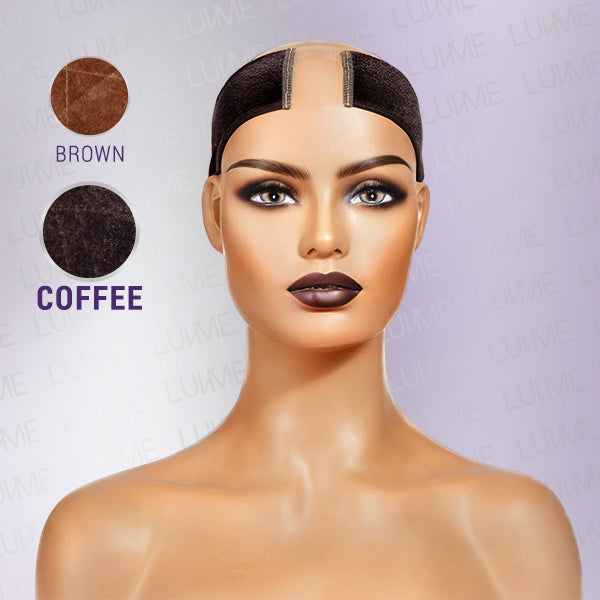
Best for: everyday no-glue slipping
Adds friction underneath the wig while using an adjustable Velcro closure for a more secure everyday fit.
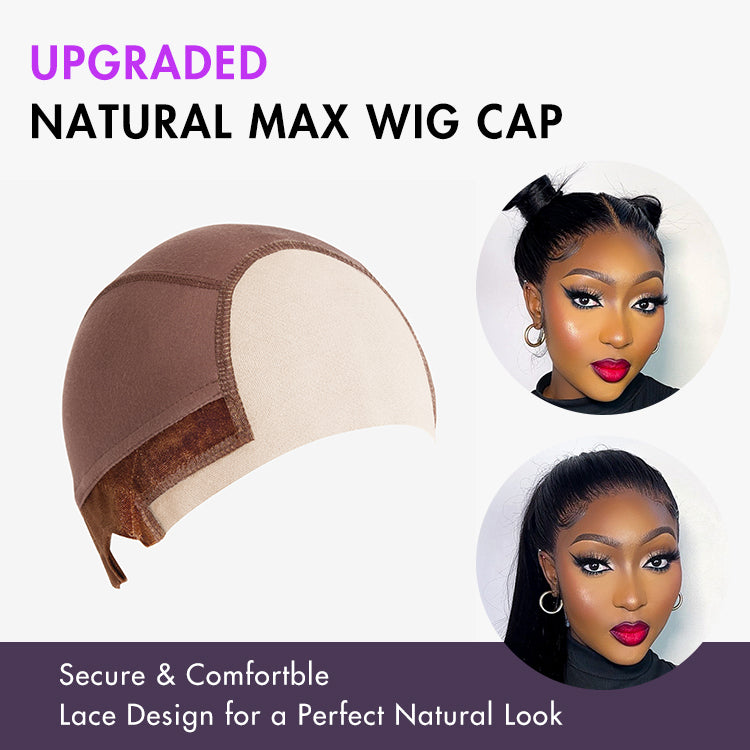
Best for: creating a flatter base with added grip
Combines wig-cap coverage with a grip feature for users who want more friction underneath a lace wig.
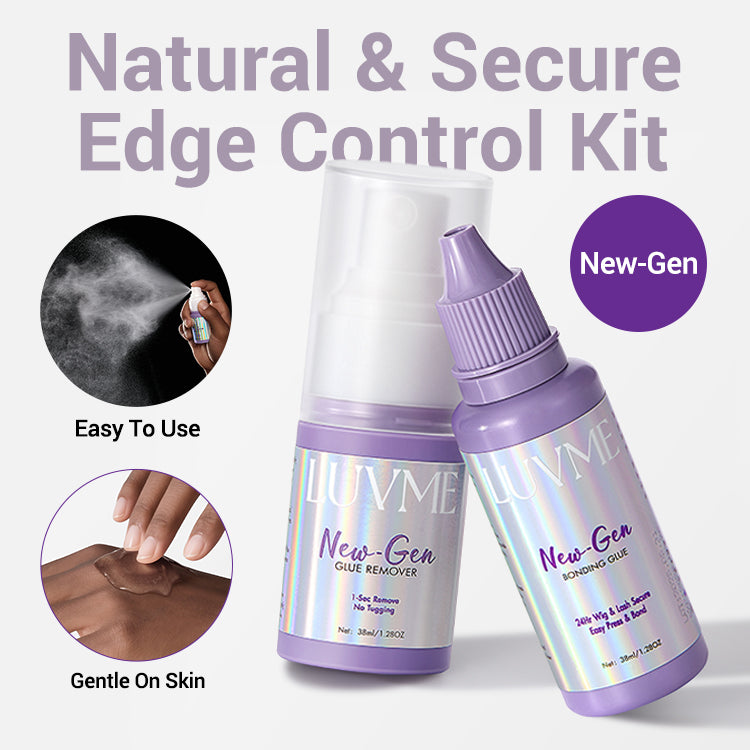
Best for: stronger long-wear lace security
Designed for users who need stronger lace hold and an appropriate removal step afterward.


 + 1
+ 1
 + 1
+ 1
 + 44
+ 44