


Layered Cut Wigs


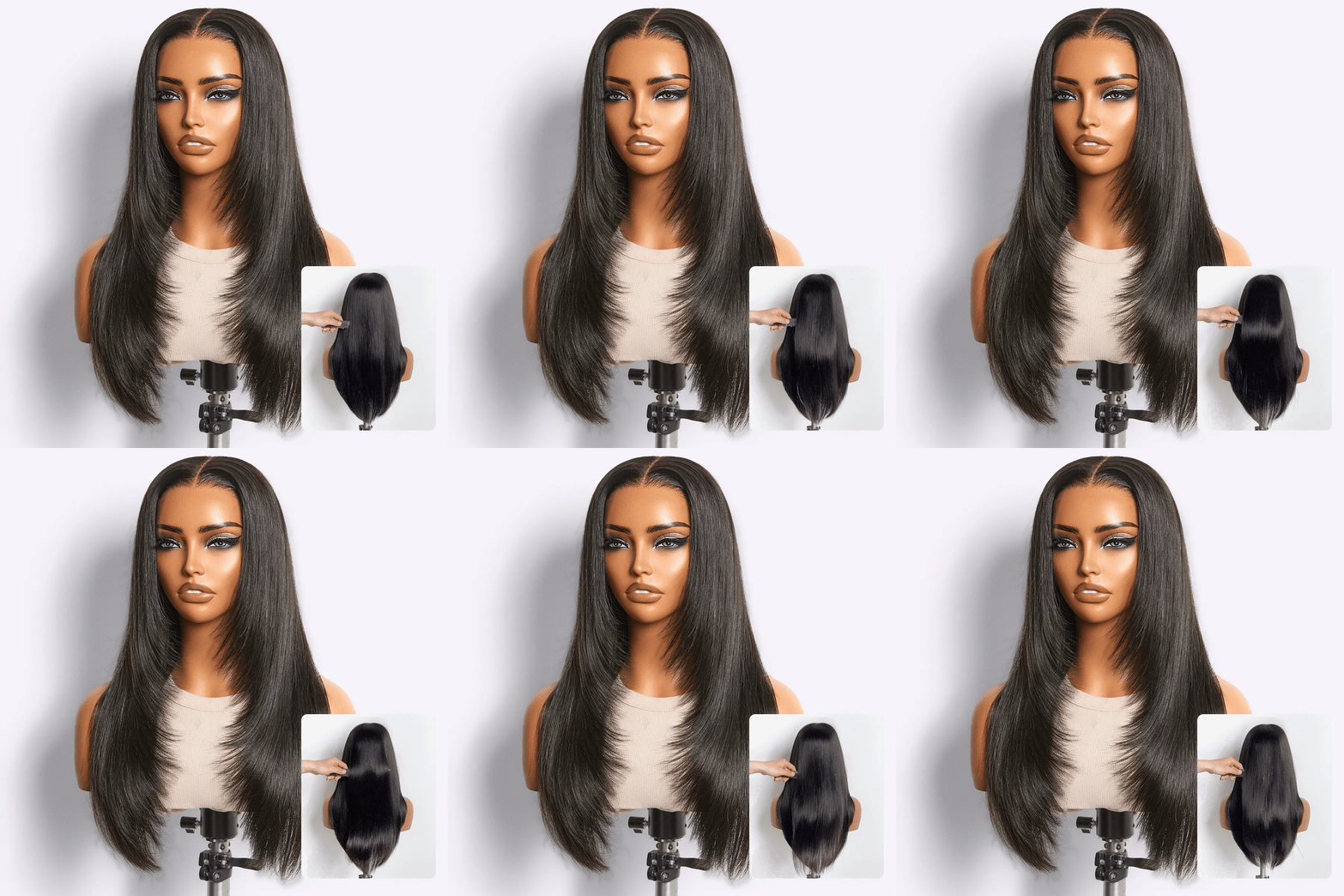


Hot Picks




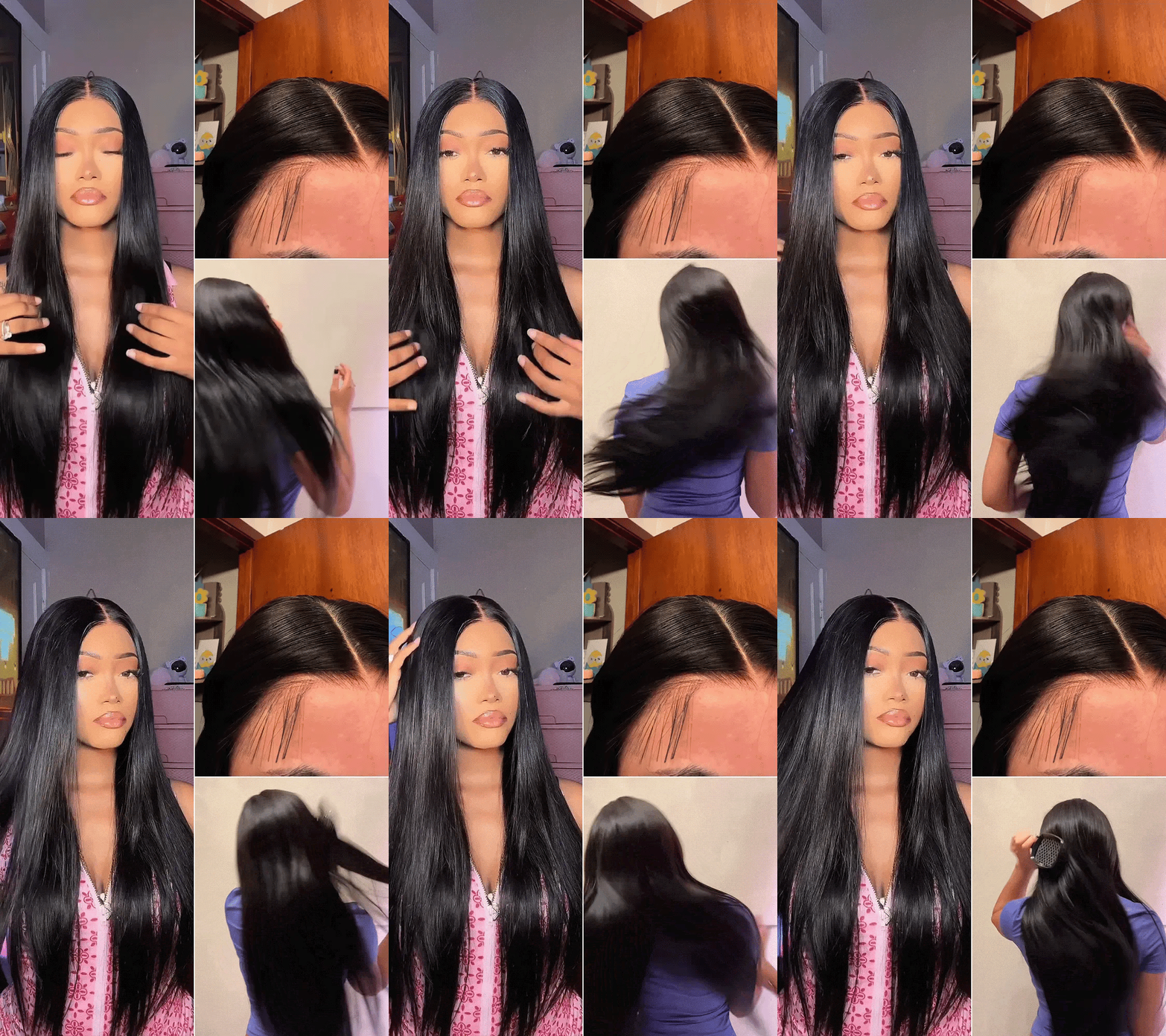


US Only | Luvme All-Day Comfort™ Wig 180% / 250% Density Bone Straight with Baby Hair PartingMax Glueless 7x6 Closure HD Lace Wig Pre-Cut Lace
Readitress™ Knotless Fulani Braids Deep Wave Glueless Ear-to-ear 13x4 Frontal HD Lace Wig Human Hair
PreMax Wigs - Blonde Highlight Silky Straight 13x4 Frontal Lace Glueless Long Wig Pre-Cut Lace
OwnScalp™ Light Weight Flexi-Fit Invisi Drawstring Cap Full Lace Knotless Boho Curls Braided Long Wig Super Natural Scalp Pre-Cut Lace
NatureMAX™ 200% Density Loose Wave Glueless 13x6 HD Lace Front Wig Human Hair Pre-Cut Lace Flexi-Fit Drawstring Cap
Luvme All-Day Comfort™ Wig PartingMax Glueless 7x6 Closure HD Lace Loose Body Wave Long Wig Pre-Cut Lace
PreMax Blonde Mix Black Loose Wave Glueless 5x5 HD Lace Closure Wig Large & Small Cap
Luvme All-Day Comfort™ Wig 180% Density Ombre Brown Butterfly Cut Layered Light Yaki Straight Glueless 7x6 Closure HD Lace Human Hair Wig Pre-Cut Lace
Luvme All-Day Comfort™ Wig 180% Density Ombre Blonde Highlight Loose Body Wave Glueless 7x6 Closure HD Lace Human Hair Wig with Bangs Pre-Cut Lace
NatureMAX™ 250% Density Loose Wave Glueless Ear-to-ear 13x4 HD Lace Front High Density Wig Pre-Cut Lace Flexi-Fit Drawstring Cap
NatureMAX™ Silky Straight Glueless Ear-to-ear 13x4 HD Lace Front Wig Pre-Cut Lace
NatureMAX™ 250% Density Loose Wave Glueless 13x6 HD Lace Front High Density Long Wig Pre-Cut Lace Flexi-Fit Drawstring Cap
NatureMAX™ 180% Density Ash Blonde Silky Straight Glueless Ear-to-ear 13x4 HD Lace Front Wig Pre-Cut Lace Flexi-Fit Drawstring Cap
AiryFit™ Scalp Care Wigs - Silky Straight Middle Part Glueless 5x5 Closure Lace Long Wig Pre-Cut Lace
PreMax Wigs - 180% Density Body Wave / Straight Glueless 13x4 Frontal Lace Long Wig Pre-Cut Lace
Ash Blonde Loose Body Wave 5x5 Closure Lace Glueless Wig Breathable Cap
What Is a Layered Cut Wig?
A layered cut wig is styled with hair cut at different lengths to create shape, movement, and dimension. Shorter sections can frame the face while longer layers help maintain length and fullness through the rest of the style. Compared with a one-length or blunt-cut look, layers usually create a softer silhouette with more visible movement.
Layering describes the haircut itself. It is different from hair texture, such as straight or body wave, and from wig construction, such as a closure or frontal. This means the same layered haircut can appear across different textures and lace designs.

Why Choose a Layered Cut Wig?
The main advantage of a layered cut is the shape it creates. Instead of relying on one even length, the haircut uses different lengths to add movement and help the style feel less flat.
Face-Framing Shape
Shorter front layers can create a softer frame around the face while keeping length through the sides and back.
More Movement
Different hair lengths allow the ends and front sections to move more visibly than a single-length cut.
Added Dimension
Layering can distribute volume through different areas of the hairstyle instead of creating one uniform shape.
Multiple Layered Styles
Choose from butterfly cuts, layered bobs, face-framing styles, bangs, and longer layered silhouettes.
Choose Your Layered Cut Style
Start with the haircut shape you want. This determines where the layers sit and how they frame the face before you consider texture or lace construction.
| Layered Style | Shape | Consider It If |
|---|---|---|
| Layered Bob Wig | Shorter length with layers through the sides and ends | You want a shorter style with movement and shape |
| Butterfly Cut Wig | Short face-framing layers with longer layers underneath | You want an airy, voluminous blowout-inspired silhouette |
| Layered Wig With Bangs | Layered lengths combined with a fringe or bang | You want more framing around the forehead and front of the face |
| Long Face-Framing Layers | Longer overall length with shorter sections around the face | You want to keep length while adding movement through the front |
Choose the Texture You Prefer
Texture changes how a layered haircut looks and moves, but it does not define the cut itself. The same face-framing or butterfly-style layers can create different effects depending on whether the hair is wavy, silky straight, or more textured.
| Texture | How the Layers Look | Consider It If |
|---|---|---|
| Body Wave | Soft waves make the layers look fuller and more flowing | You prefer visible movement and a soft, voluminous finish |
| Straight | Layers appear cleaner and more defined through the lengths | You want a sleek finish without losing the shape of the haircut |
| Yaki Straight | Layers combine with a fuller, blowout-inspired texture | You prefer a textured straight finish with more visible body |
Choose By Lace & Cap Construction
After choosing the haircut and texture, consider how you want the wig to fit and install. Lace and cap construction affect the parting area, front styling options, and daily setup—not the layered haircut itself.
| Construction | What It Changes | Consider It If |
|---|---|---|
| Minimalist Lace | Uses a smaller lace area with fewer lace-customization steps | You prefer a simpler everyday routine with less lace to manage |
| 5x5 Closure | Provides a defined lace area at the top and front | You want a balance between parting space and manageable lace coverage |
| 7x6 Closure | Provides a larger closure area for additional parting room | You want more freedom around the top without moving to a full frontal |
| 13x4 Frontal | Extends lace across more of the front hairline | You prioritize wider front styling and hairline flexibility |
Good to know: “Glueless” and “pre-cut lace” describe installation features rather than lace size. A layered wig may be glueless or pre-cut while also using a minimalist, 5x5, 7x6, or frontal construction. Check the individual product details to see which features are included.
Layered Cut Wig Vs. Blunt Cut Wig
The main difference is the haircut structure. Layers use multiple lengths to create movement and dimension, while a blunt cut keeps the ends closer to one defined length.
| Feature | Layered Cut | Blunt Cut |
|---|---|---|
| Hair Lengths | Multiple lengths throughout the haircut | Ends sit closer to one even length |
| Movement | More visible movement through different sections | Cleaner, more uniform movement |
| Face-Framing | Can create a softer frame around the face | Creates a more structured outline |
| Overall Effect | Dimensional, flowing, and shape-focused | Sharp, sleek, and defined |
How To Keep Layered Wigs Looking Fresh
- Detangle gently: Work from the ends upward so the front and shorter layers keep their shape.
- Refresh the face-framing sections: A round brush or appropriate styling tool can help reshape layers that have flattened during wear or storage.
- Use heat carefully: Check the individual product guidance before heat styling, use heat protection when appropriate, and avoid unnecessary repeated heat.
- Trim conservatively: Human hair wigs can be reshaped, but wig hair does not grow back. For major changes to the haircut, professional styling is the safer option.


 + 1
+ 1
 + 1
+ 1
 + 44
+ 44