



Choosing a wig color becomes easier when you compare skin depth, undertone, contrast, and the shade placed closest to your face. The right color may blend naturally, brighten your features, or create an intentional statement.
This guide groups colored wigs by light, medium, tan or olive, and deep skin, with practical Luvme product examples for each group.
Quick Answer: Identify your skin depth and whether your undertone is warm, cool, or neutral. Warm undertones often coordinate with chocolate, caramel, honey blonde, copper, and golden highlights. Cool undertones may suit espresso, ash brown, cool blonde, burgundy, and plum. Neutral undertones can usually move between both groups. Use these suggestions as a starting point, not a restriction.
What Wig Color Suits Me?
Watch the guide before comparing specific shades below. Use it as a quick visual reference for skin depth, undertone, contrast, and the colors that sit closest to your face.
Start with the visual guide, then use the sections below to compare your undertone and preferred level of contrast.
Table of Contents
What Determines Which Wig Color Suits You?
Use these factors together to choose a soft match, a brightening effect, or stronger contrast.
How Light or Deep Is Your Complexion?
Skin depth affects contrast. Similar depths look softer; much lighter or darker shades look more dramatic.
Does Your Skin Lean Warm, Cool, or Neutral?
Undertone guides you toward golden, ashy, copper, berry, or balanced shades.
How Bold Do You Want the Change to Feel?
Dark or rooted color creates softer contrast; blonde, copper, burgundy, or platinum creates more impact.
Which Shade Sits Closest to Your Face?
Roots, bangs, and face-framing highlights matter most. Dark roots can soften bright blonde or vivid color.
What Works With Your Everyday Look?
Consider your eyebrows, makeup, wardrobe, work setting, and maintenance preference.
How to Identify Your Skin Undertone
Undertone is the warm, cool, or neutral cast beneath your skin. Check your wrist in natural daylight, then compare vein color with the jewelry and clothing shades that usually flatter you. Use several clues rather than one test.

Veins may look green, gold jewelry may feel more harmonious, and cream, camel, olive, peach, or bronze clothing may brighten the face.
Veins may look blue or purple, silver jewelry may appear clearer, and white, gray, navy, berry, or plum clothing may feel more balanced.
Veins may look blue-green, both jewelry metals may work, and warm and cool clothing colors may look similarly natural.
Best Wig Colors for Light Skin
Light skin can support a soft blend or sharp contrast. Chocolate, mocha, and soft black are gentler than jet black. Warm undertones may suit chestnut, honey blonde, and copper; cool undertones may prefer ash brown, beige blonde, burgundy, or blue-black. Dark roots can soften blonde at the hairline.

Elegant Chocolate Brown Loose Wave Wig
Rich chocolate tones add warmth and definition without creating the sharper contrast of jet black.

Ash Blonde Highlight Loose Wave Wig
The cooler blonde pieces add brightness, while the deeper base keeps the hairline from appearing uniformly pale.
Best Wig Colors for Medium Skin
Medium skin works with many natural and dimensional shades. Natural black, mocha, chocolate, and chestnut create an easy blend. Caramel, honey blonde, and brown highlights add light around the face, while espresso, ash brown, burgundy, or cool beige may suit cooler undertones.
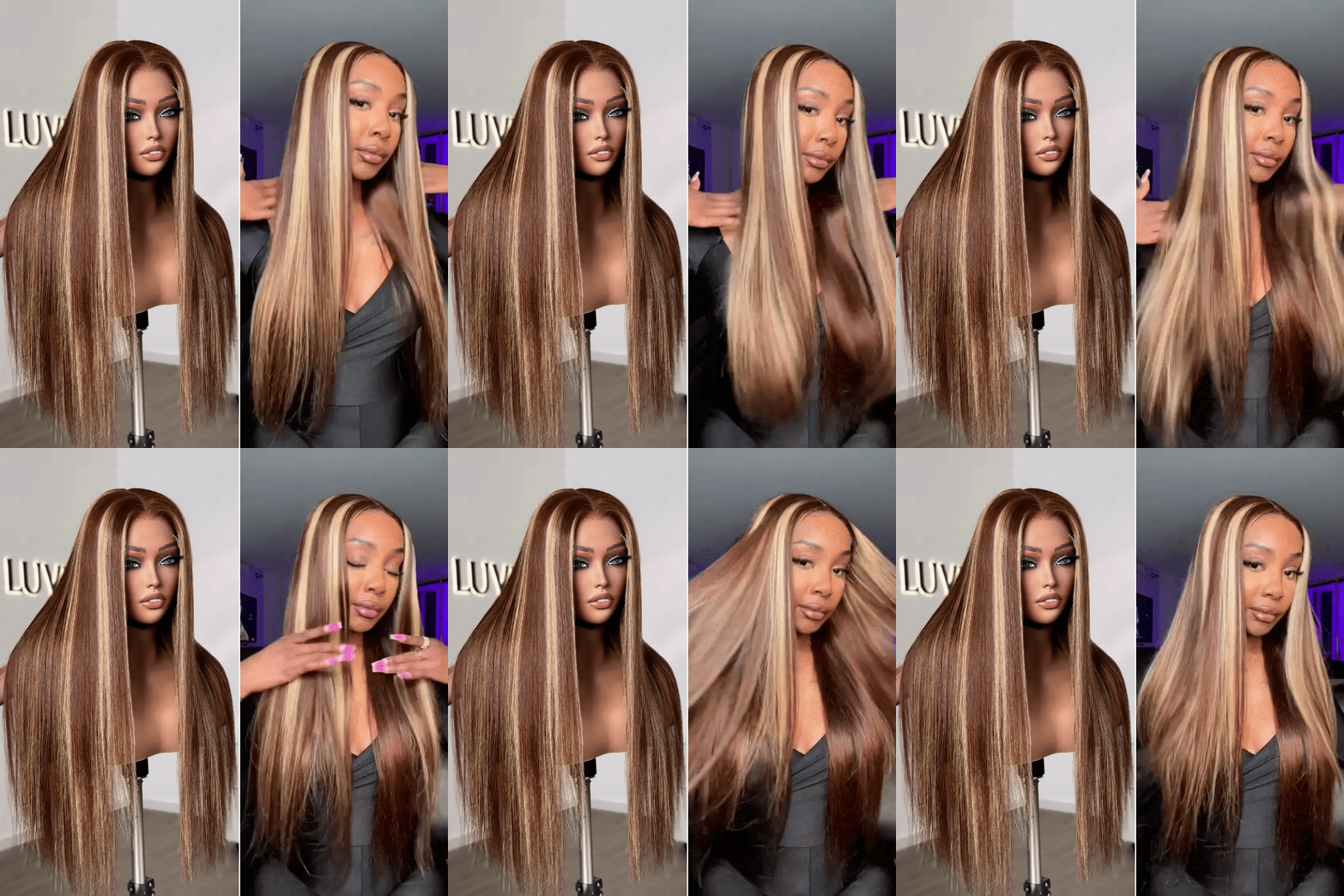
Honey Blonde Highlight Silky Straight Wig
Honey streaks create warmth and vertical dimension while the brown base keeps the overall color grounded.

Natural Black or Brown Highlight Water Wave Pixie
Choose natural black for a classic effect or brown highlights for subtle light around the curls and face.
Best Wig Colors for Tan and Olive Skin
Tan and olive skin may be warm, cool, or neutral. Golden brown, caramel, chestnut, and copper emphasize warmth; espresso, ash brown, cool blonde, or burgundy can balance cooler olive complexions. Rooted and ombre colors preserve depth near the hairline.

Warm Caramel Brown Deep Curly Wig
Warm caramel gives the curls dimension while maintaining enough depth to connect naturally with the root area.

Copper Highlight Kinky Curly Wig
Copper accents add visible warmth without replacing the deeper brunette base across the entire wig.
Best Wig Colors for Deep Skin
Deep skin can support rich low-contrast shades and bright statement colors. Natural black, espresso, chocolate, and mocha create a classic blend. Honey blonde, caramel, and copper add warmth; burgundy and plum add depth; beige, ash, or platinum blonde creates intentional high contrast.

Honey Golden Blonde Loose Body Wave Wig
The dark-rooted base creates continuity at the hairline while honey-golden lengths bring warmth and brightness.

Rich Dark Plum Loose Body Wave Wig
Deep plum adds a visible cool-red tone while retaining the richness and depth of a darker hair color.
Warm vs. Cool vs. Neutral Undertone Quick Chart
| Undertone | Best Starting Colors | Brighter or Bolder Options |
|---|---|---|
| Warm | Chocolate, chestnut, golden brown | Honey blonde, caramel, copper, ginger |
| Cool | Espresso, ash brown, blue-black | Burgundy, plum, cool beige or ash blonde |
| Neutral | Natural black, mocha, neutral brown | Beige blonde, soft auburn, mixed highlights |
How to Choose Black, Brown, Blonde, Red, or Highlighted Wigs
Black Wigs
Natural black is softer than jet black, while blue-black adds a cooler reflective tone.
Brown Wigs
Chocolate and chestnut lean warm, mocha feels neutral, and ash brown creates a cooler result.
Blonde Wigs
Honey and golden blonde lean warm, beige is balanced, and ash or platinum leans cool. Dark roots soften the transition.
Red, Copper, and Plum Wigs
Copper, ginger, and warm auburn lean warm; burgundy, wine, and plum are deeper and cooler.
Highlighted and Ombre Wigs
Highlights, balayage, and ombre preserve root depth while adding light, making them easier first color changes.
Conclusion
The best wig color depends on skin depth, undertone, and desired contrast. Pay special attention to roots, bangs, and face-framing sections because those colors sit closest to your complexion.
Black, brown, blonde, copper, burgundy, plum, and highlighted wigs can work across many skin tones. Compare product images in different lighting and choose the shade that supports your overall style.


 + 1
+ 1
 + 1
+ 1
 + 44
+ 44