



Wondering how to keep a wig on without slipping, lifting, or shifting throughout the day? The best method depends on your wig type, scalp sensitivity, activity level, natural hair base, and whether you want a glue-free or stronger adhesive hold.
Quick answer: Start with the wig cap fit. If the cap is too loose, adjust the built-in straps, drawstring, or hook system before adding extra products. Then create a flat base and add only as much security as you need, such as a velvet wig grip, wig tape, glue, clips, or a silicone band.
How Can You Tell Your Wig Is Not Secure Enough?
A wig that feels unfamiliar is not always a wig that is actually loose. Look for repeatable signs that the fit or hold needs attention rather than tightening the wig every time you feel nervous.
The Wig Moves Backward
If the wig shifts when you look down, turn your head, or walk, the overall cap fit may be too loose.
The Ear Tabs Move
If both sides start in the right position but drift upward or backward, check the cap circumference before adding adhesive.
The Nape Lifts
A rolling or lifting nape can come from a loose cap, bulky hair underneath, or uneven tension at the back.
The Lace Keeps Lifting
If only the temples or front edge lift while the rest of the wig stays stable, you may need targeted tape or adhesive rather than a tighter cap.
Why Does Your Wig Keep Slipping or Moving?
The Cap Size Is Too Loose
If the whole wig moves together, start with cap size. A loose circumference can make the wig slide even when the lace or front looks secure. Tightening the built-in adjustment system is usually a better first step than adding stronger glue. For a more detailed fit check, see the wig cap adjustment guide .
Your Hair or Wig Cap Creates an Uneven Base
A secure wig needs a smooth foundation. Bulky braids, loose natural hair, or a wig cap that shifts can create pressure points and make the wig move. Flatten the base and spread hair evenly, especially around the crown and nape.
Your Security Method Does Not Match the Wig
A glueless closure wig, lace front, 360 lace wig, and full lace wig may use different anchor points. A wig grip can work well for daily glue-free wear, while tape or glue is more useful when the lace edge itself needs extra hold.
Sweat, Oil, and Movement Reduce Grip
Heat, humidity, workouts, and skin oils can weaken friction and adhesive. If the wig only becomes loose after several hours, the problem may be wear conditions rather than the cap size alone.
The Wig Is Too Tight
More tension is not always more secure. Over-tightening elastic bands or drawstrings can cause headaches, pressure at the temples, and discomfort without solving the real source of movement.
How to Keep a Wig Secure Without Constantly Readjusting It
Use the least complicated method that keeps the wig comfortable and stable. Start with fit, then build up to extra grip or adhesive only when needed.
Watch how to check the fit and keep a wig secure before choosing an extra hold method.
| Method | Best For | Hold Level | Beginner-Friendly? |
|---|---|---|---|
| Adjust the Wig Cap Size | Loose overall fit and built-in adjustment systems | Foundation | Yes |
| Wig Cap + Flat Base | Reducing bumps, slipping, and uneven fit | Light to medium | Yes |
| Velvet Wig Grip | Glue-free daily wear and sensitive scalps | Medium | Yes |
| Wig Tape | Short-term hold, lace edges, photos, events | Medium to strong | Yes |
| Liquid Adhesive Wig Glue | Longer wear and melted lace looks | Strong | Medium |
| Clips, Combs & Bobby Pins | Extra hold at sides, crown, or nape | Medium | Yes, with hair to anchor |
| Silicone Strip or Band | Glue-free grip and no-hair wearers | Medium | Yes |
1. Adjust the Cap Size First
If the wig moves as one unit, adjust the cap before adding tape or glue. Built-in systems are designed to reduce the circumference and help the wig sit closer to the head. Tighten gradually until the cap feels stable, not compressed.

Adjustable Straps
Best for: basic cap-size adjustment. Move both straps evenly so the wig stays centered.

Adjustable Drawstring
Best for: quick glueless adjustment. Pull gently until the back of the cap sits snugly against the head.
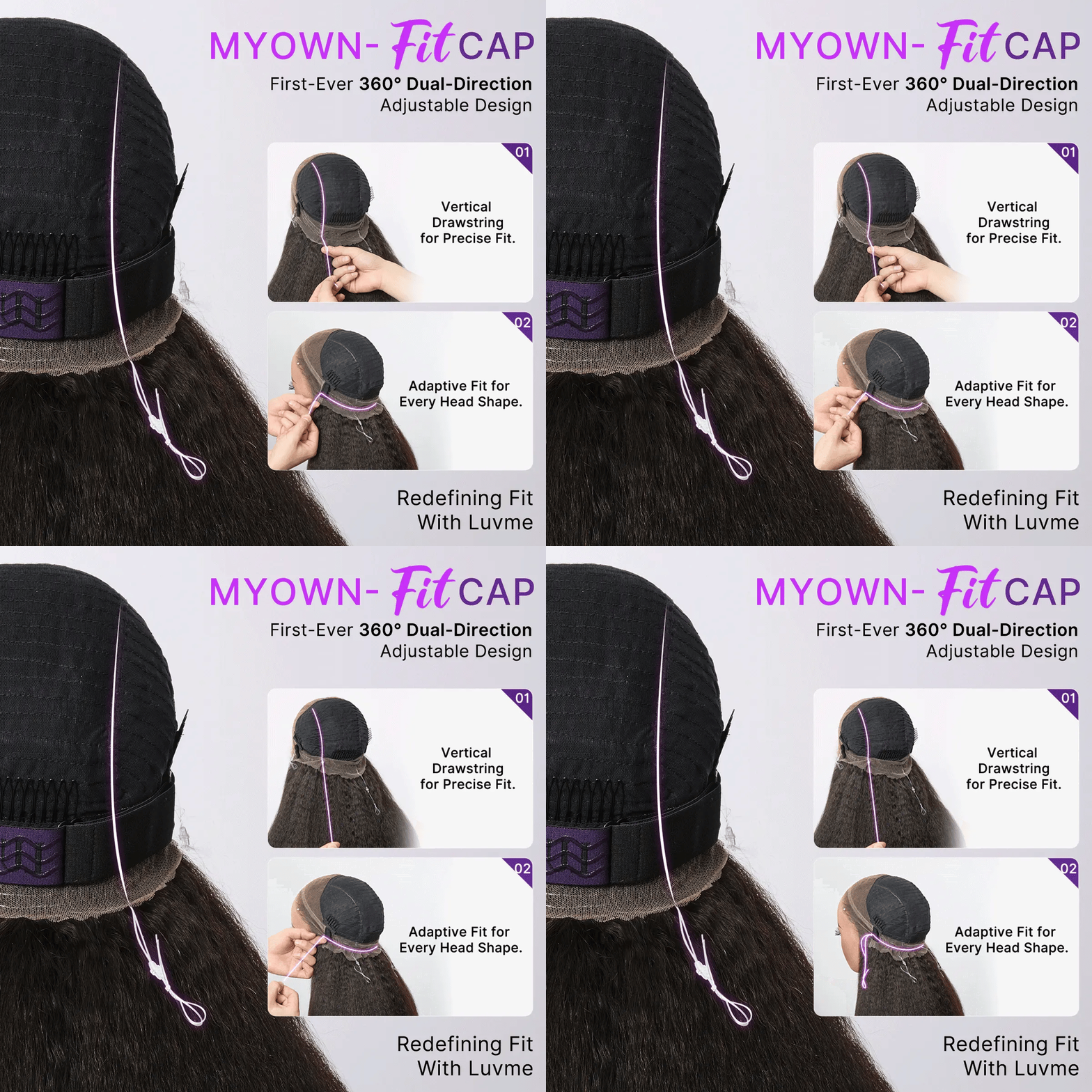
Dual Adjustable Drawstring
Best for: 360 lace and full lace wigs. Dual adjustment can tighten the cap while maintaining flexibility around the perimeter.

Smart Clips
Best for: small, controlled fit changes. Choose a comfortable hook position instead of pulling the cap as tight as possible.
If you adjust the cap and still feel movement, move to the next step instead of continuing to tighten it.
2. Create a Flat, Stable Base
A secure wig starts with a smooth base. Flatten your natural hair, spread braids evenly, and make sure there is no bulky area at the crown or nape. A wig cap can help hold the hair down and give grips, tape, or adhesive a more stable surface.

A helpful base layer for lace frontal wigs when you want a flatter foundation and less slipping.
3. Add a Velvet Wig Grip for Glue-Free Security
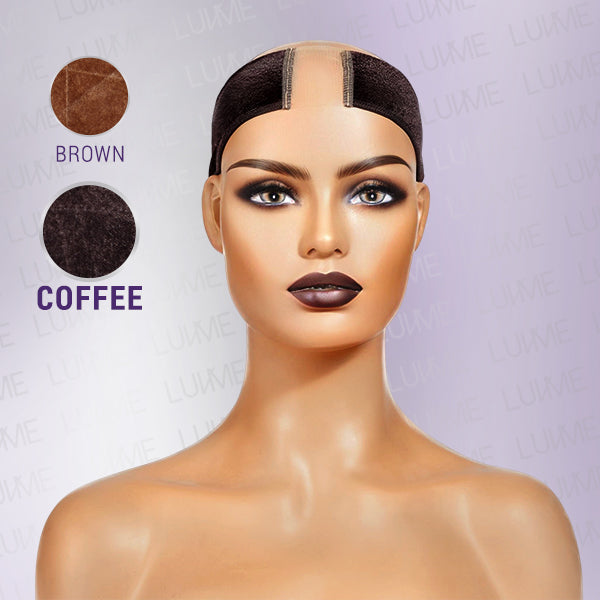
A velvet wig grip is one of the easiest glue-free ways to add friction after the cap fit is already correct. Place the grip around your head, adjust the Velcro until it feels secure but not tight, then place the wig over it. Make sure the grip does not show through lace or thin parting areas.
4. Use Wig Tape for Targeted Hold
Wig tape is a clean, temporary way to secure lace edges or areas that lift during wear. It works well for short-term wear, photos, date nights, and events. Clean and dry the skin first, apply small strips where the wig needs hold, press the lace into place, and remove gently with adhesive remover.

A practical option when you want targeted hold without applying glue across the full hairline.
5. Use Wig Glue When You Need Stronger Lace Hold
Liquid adhesive wig glue gives a stronger hold and can help create a smooth, melted lace look. Start with clean, dry skin. Apply a thin layer near the hairline, wait until it becomes tacky or clear according to the product instructions, then press the lace into place. A melt band can help hold the hairline flat while the adhesive sets.
If you have sensitive skin, patch test first. When removing the wig, use a proper adhesive remover instead of pulling the lace off directly.

A stronger option for lace-front wearers who want a flatter hairline and longer-lasting security.
6. Add Clips, Combs, or Bobby Pins Only Where Needed
Clips, combs, and bobby pins can add anchor points at the sides, crown, or nape when you have natural hair, braids, or a stable wig cap underneath. Avoid tight placement on fragile edges, thinning areas, or sensitive spots. These work best as extra support rather than a substitute for an incorrectly fitted cap.
7. Consider a Silicone Strip or Band
A silicone strip or band adds friction between the scalp, wig cap, and wig. It can be useful for glue-free wear or when you do not want velvet under the wig. Keep the silicone clean so it maintains grip, and stop if it creates pressure or feels too hot.
How to Keep Your Wig Secure Throughout the Day
Check the Fit Before Every Wear
Straps, drawstrings, hooks, and elastic can shift between wears. Before adding tape or glue, confirm that the cap still sits evenly around the head and that the nape is flat.
Keep Grip and Adhesive Areas Clean
Oil, sweat, and product buildup reduce friction and adhesion. Clean the wig grip or silicone band regularly, and apply tape or glue only to clean, dry skin according to the product directions.
Do Not Keep Tightening the Cap
If you develop a headache, temple pressure, ear pain, or deep marks, loosen the adjustment. A comfortable cap with the right security method is more useful than a painfully tight wig.
Recheck After Strong Movement
Wind, workouts, long commutes, and changing clothes can disturb the fit. Recheck the hairline, temples, and nape after these situations instead of constantly touching the wig throughout the day.
Choose the Least Complicated Method That Works
There is no single best way to keep every wig on. Start with cap fit and a flat base. If you still need more security, add a wig grip for glue-free wear, tape for targeted hold, or adhesive when you need stronger lace security. The goal is a wig that stays stable without unnecessary tension or extra steps.


 + 1
+ 1
 + 1
+ 1
 + 44
+ 44