



A human hair wig can gradually develop rough, frizzy, or tangled ends. Dryness may come from heat, friction, harsh cleansing, chemical processing, or styling-product buildup, and each cause needs a different response.
This guide explains how to clean, condition, dry, and finish human hair wigs while recognizing when split or weakened ends need trimming instead of more oil.
Table of Contents
Why Do the Ends of a Human Hair Wig Feel Dry?
A wig does not receive natural scalp oils. Its ends are the most exposed area, so they usually show friction, heat, and chemical wear first.
No Natural Scalp Oils
Natural sebum does not travel through detached wig hair. The mid-lengths and ends therefore depend on careful washing, conditioning, and light finishing products for slip and softness.
Heat and Chemical Processing
Flat irons, curling tools, blow dryers, bleaching, coloring, and repeated restyling can increase roughness. Colored or lightened ends often need gentler cleansing and less heat than natural-black hair.
Friction and Poor Storage
Long ends rub against coats, collars, car seats, and bedding. Storing a wig while tangled, compressed, or damp can make the ends knot more quickly during the next wear.
Harsh or Repeated Cleansing
Strong shampoo, very hot water, rough rubbing, or washing more often than buildup requires can leave the hair difficult to manage. A gentle downward technique is usually more suitable.
Product or Mineral Buildup
Oil, silicone, mousse, wax, spray, and hard-water residue can make hair feel dry even when it is heavily coated. Stiff or sticky hair usually needs cleansing before it needs more serum.
What You Need to Restore Wig Softness
Detangling and Cleansing
- Wide-tooth comb or wig brush
- Gentle wig shampoo
- Optional clarifying treatment for visible buildup
- Cool or lukewarm water
Conditioning and Drying
- Moisturizing conditioner
- Leave-in conditioner or hydrating mist
- Lightweight oil or serum
- Microfiber towel and ventilated wig stand
Use products made for wigs or processed human hair when possible. The guide to the best shampoo and conditioner for human hair wigs explains how cleansing strength affects texture.
How to Restore Softness to a Human Hair Wig
Step 1: Inspect and Detangle the Hair
Place the dry wig on a stable stand. Check whether the ends are light and frizzy, heavy and coated, visibly split, or tangled mainly at the nape. This determines whether the wig needs gentle washing, occasional clarifying, or a small trim.
Detangle straight and yaki hair from the ends upward while supporting the section above the comb. For wavy or curly hair, separate knots with your fingers and use a wide-tooth comb only when the hair is lightly damp or conditioned. Do not dry-brush defined curls.
Step 2: Choose the Cleanser and Wash Downward
Use gentle wig shampoo for ordinary sweat, dust, and light product residue. Reserve clarifying treatment for hair that remains waxy, sticky, or unusually heavy after normal cleansing. Avoid clarifying simply because the ends feel dry, especially on colored or bleached wigs.
Wet the hair with cool or lukewarm water, keeping the strands aligned. Apply cleanser in a downward motion instead of rubbing the hair into a ball. Clean the cap and lace carefully, then let the water carry shampoo through the lengths. A complete human hair wig washing guide can help when the cap also needs a thorough clean.
Step 3: Condition the Mid-Lengths and Ends
Gently squeeze out extra water, then distribute moisturizing conditioner from the mid-lengths to the ends. Keep heavy conditioner away from lace knots, bonded areas, and the cap base. Use your fingers or a wide-tooth comb to spread the product evenly without pulling.
Follow the timing on the product label rather than assuming a longer treatment is always better. Rinse until the water runs clear and the strands feel clean, not coated. Conditioner left behind can dry into a stiff film and attract more dust.
Step 4: Blot and Air-Dry Correctly
Lay the wig on a microfiber towel and press gently to absorb water. Do not rub, twist, or wring the hair. Re-form the part, smooth straight strands downward, or scrunch waves and curls while they are still damp.
Place the wig on a ventilated stand and allow it to dry completely. Avoid storing or heat-styling damp hair. Air-drying reduces unnecessary heat exposure and gives you a more accurate view of whether the ends need additional product.
Step 5: Finish Lightly and Trim When Needed
Once the hair is dry, apply leave-in conditioner or hydrating mist to your hands and smooth it over the lower lengths. Add only a small amount of lightweight oil or serum to the last few inches. Stop when the ends feel flexible; adding more can restart the buildup cycle.
If the tips remain transparent, feathered, burnt, or constantly tangled after care, ask a stylist to remove the smallest necessary amount. Trimming damaged ends often improves movement more effectively than repeatedly coating them with mask or oil.
How to Refresh Dry Wig Ends Without a Full Wash
A full wash is unnecessary when the cap is clean and only the lower lengths need a light refresh.
- Place the wig on a stand and gently separate the ends.
- Spray a small amount of water, leave-in, or hydrating mist into your palms instead of soaking the wig.
- Smooth straight or yaki hair downward; scrunch wavy and curly ends upward.
- Allow the refreshed area to dry before deciding whether more product is needed.
- Finish with a tiny amount of serum only if the tips still feel rough.
If the hair becomes sticky, dull, or heavy after repeated refreshing, stop adding product and schedule a proper wash. Daily layering cannot replace cleansing.
Dry-End Care by Wig Texture
Straight and Yaki Wigs
Concentrate on collar friction, flyaways, and tangles at the last few inches. Use a light leave-in, comb from the ends upward, and keep flat-iron passes limited. Heavy oil can make straight hair separate into coated sections.
Wavy and Curly Wigs
Refresh with moisture and finger styling rather than dry brushing. Apply conditioner evenly through the ends, scrunch after rinsing, and avoid using so much oil that the curl pattern loses bounce.
Colored and Bleached Wigs
Use gentler cleansing, less frequent clarifying, and lower heat. Lightened ends may remain more porous than the rest of the wig, so they often need consistent conditioning and earlier trimming when splitting appears.
Preventing Repeat Dryness
Keep the wig away from rough collars during storage, avoid sleeping in it when possible, clean styling tools, and store only when fully dry. The complete wig care and maintenance guide covers washing frequency, heat, and long-term storage.
Luvme Products for Dry Wig Ends and Softness Care
These care and storage products support washing, refreshing, drying, and storage. Browse Luvme wig tools and accessories . The six products below are currently marked for U.S. availability only.
Swipe on mobile or scroll horizontally on desktop to move through the full care routine. Each card stays inside the same slider so you can compare washing, conditioning, refreshing, drying, and storage options in one place.

Wig Renewal Shampoo, Conditioner & Leave-In Set
Use for: a complete cleansing and conditioning routine
A three-step wash-day option for dry or coated wigs.
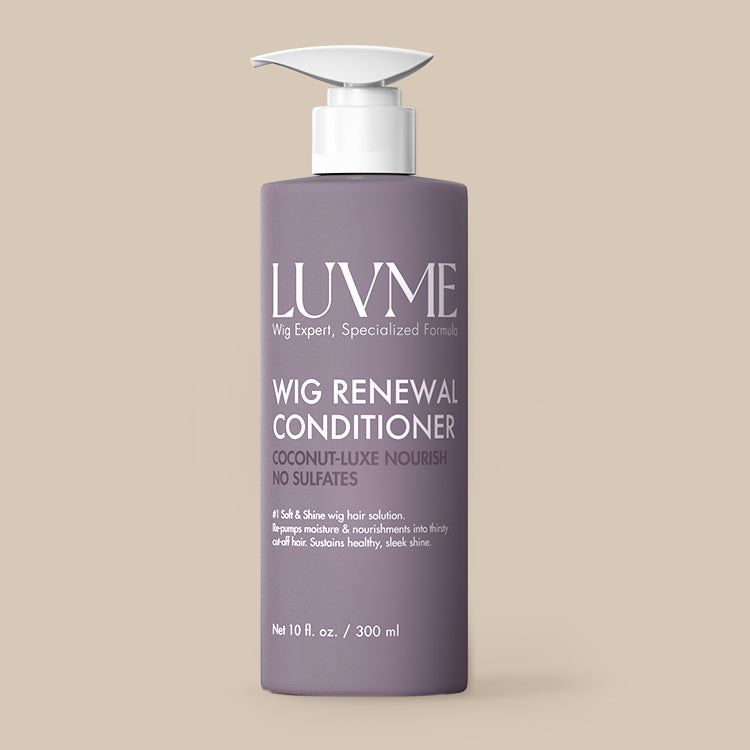
Wig Renewal Coconut-Luxe Conditioner
Use for: mid-lengths and dry ends after shampooing
A rinse-out step for slip and easier detangling.

Wig Renewal Leave-In Conditioner
Use for: light post-wash smoothing and refreshes
Apply sparingly after washing or between wash days.

Wig Renewal Hair Oil & Hydrating Mist
Use for: light moisture refresh and end finishing
Use the mist first, then a small amount of oil on the ends.

Portable Adjustable Wig Stand
Use for: ventilated drying and shape support
A collapsible stand supports ventilated air-drying.

Portable Wig Storage Bag With Hanger
Use for: reducing dust, compression, and tangling
Store the wig fully dry and detangled without tight folding.
Conclusion
Restoring softness starts with identifying whether the ends are dry, coated, or structurally damaged. Clean only as strongly as needed, condition the lower lengths, rinse thoroughly, and air-dry before adding a light finishing product.
When the ends remain split, thin, or constantly tangled after proper care, trimming the damaged tips is more effective than adding heavier layers of oil. A consistent routine can keep the remaining hair smoother, lighter, and easier to style.


 + 1
+ 1
 + 1
+ 1
 + 44
+ 44