



Choosing between short and long hair is not only about face shape. The most flattering and practical length also depends on your hair texture, density, styling routine, climate, comfort preferences, and the look you want to create.
A quick measurement test can give you a starting point, but it should not decide your hairstyle by itself. This guide compares short, medium, and long hair, explains common body-landmark lengths, and shows how a human hair wig can help you test a new length before making a permanent cut.
Short vs Medium vs Long Hair: Quick Comparison
No hair length is automatically easier or more flattering for everyone. A pixie has less hair to manage but may need regular shape styling, while long hair offers more styling options but usually takes longer to wash, dry, and detangle.
| Factor | Short Hair | Medium Hair | Long Hair |
|---|---|---|---|
| Visual effect | Defined, lightweight, and feature-focused | Balanced, adaptable, and easy to layer | Flowing, length-focused, and high-impact |
| Daily routine | Less detangling, but the shape may need refreshing | Usually manageable for washing and styling | More detangling, drying, and end care |
| Styling options | Pixies, bobs, sleek cuts, and textured finishes | Half-up styles, ponytails, layers, and waves | Braids, buns, ponytails, waves, and updos |
| Warm-weather comfort | Usually lighter around the neck and shoulders | A practical balance of length and comfort | May feel warmer or heavier when worn down |
| Best starting point | For a noticeable, lower-bulk change | For anyone undecided between short and long | For maximum movement and styling flexibility |
How to Do the 2.25-Inch Short Hair Test
The 2.25-inch test is a popular styling shortcut that compares the distance between the earlobe and chin. It can suggest a starting length, but it is not a scientific rule and should be considered alongside texture, density, face shape, and personal preference.
What You Need
A ruler, a pencil or pen, and a mirror.
- Hold the ruler vertically below your earlobe.
- Place the pencil horizontally under your chin.
- Read the point where the pencil meets the ruler.
- Repeat on the other side if the first measurement feels uneven.
What Else Determines Which Hair Length Suits You?
Face Shape and Features
Length affects where the eye is drawn, but the cut matters just as much. Layers can soften a long style, while bangs or volume can change the balance of a short cut. Use a face-shape wig guide as supporting guidance rather than a strict rule.
Hair Texture
Straight hair shows more of its measured length. Waves, curls, and coils bend upward and may appear several inches shorter even when the stretched measurement is the same.
Density and Volume
Short cuts can make fine or lower-density hair appear more lifted, while longer hair may pull volume downward. High-density hair may feel fuller and heavier at longer lengths.
Styling Routine
Short does not always mean maintenance-free. A precise pixie may need frequent reshaping, while a long straight style may require little more than careful detangling and heat protection.
Climate and Comfort
Short and shoulder-length styles usually keep more hair away from the neck. Long hair may feel warmer but gives you more options to braid, tie back, or wear in an updo.
Personal Style
Choose the length that supports the image you want to create, whether that is polished, bold, relaxed, layered, glamorous, or easy to change from day to day.
Hair Length Chart
Body landmarks are often more useful than inch labels because the same measured length can fall differently depending on height, torso length, head size, and texture. For exact wig measurements, review the complete wig length guide .
Short Hair Lengths
Ear Length / Pixie
Exposes the neck and places attention on the eyes, cheekbones, and overall haircut shape.
Chin Length / Bob
Creates a defined frame around the face and works in blunt, layered, straight, or curled finishes.
Neck Length
Offers more movement than a pixie while keeping the ends above or near the shoulders.
Medium Hair Lengths
Shoulder Length
A flexible transition length that can be worn down, half-up, or in a small ponytail.
Collarbone Length
Long enough for layers and movement while remaining lighter and quicker to manage than very long hair.
Armpit Length
Provides clear long-hair movement with enough length for ponytails, braids, and soft updos.
Long Hair Lengths
Mid-Back Length
Creates noticeable movement while remaining more manageable than waist- or tailbone-length hair.
Waist Length
Offers a dramatic silhouette and extensive styling room, but needs more detangling and end care.
Tailbone Length
Makes length a major part of the overall look and requires careful handling to reduce knots and friction.


How Hair Texture Changes the Look of Length
A wig labeled with the same inch measurement can look very different across textures. Wig length is normally measured with the hair stretched, while the final appearance is judged in its styled state.
- Straight hair: Shows the greatest amount of its measured length.
- Body wave or loose wave: Appears slightly shorter because the hair bends through the wave pattern.
- Curly or coily hair: Can appear significantly shorter because tighter curls create more shrinkage.
- Layered cuts: May look shorter around the face even when the longest back section remains unchanged.
How to Try a Length Before Cutting Your Hair
Use a Human Hair Wig as a Low-Commitment Test
A wig lets you compare a pixie, bob, shoulder-length style, or long layered look without changing your natural hair. Wear the test style in normal situations—at work, outdoors, while commuting, and during your usual beauty routine—to see how the length feels rather than judging it only in a photo.
Short options from the short human hair wig collection can help you test lower-bulk styles, while human hair bob wigs offer a less dramatic transition between very short and medium hair.
Luvme Short, Medium, and Long Wigs to Compare
These six human hair wigs provide two short, two medium, and two long options for comparing how different lengths and textures affect your overall look.

Water Wave Pixie Cut Glueless Wig
A lightweight curly pixie for testing a bold, face-framing short style.
View Product
PreMax Silky Blunt Cut Bob Wig
A clean chin-length bob for comparing a structured short cut with a polished finish.
View Product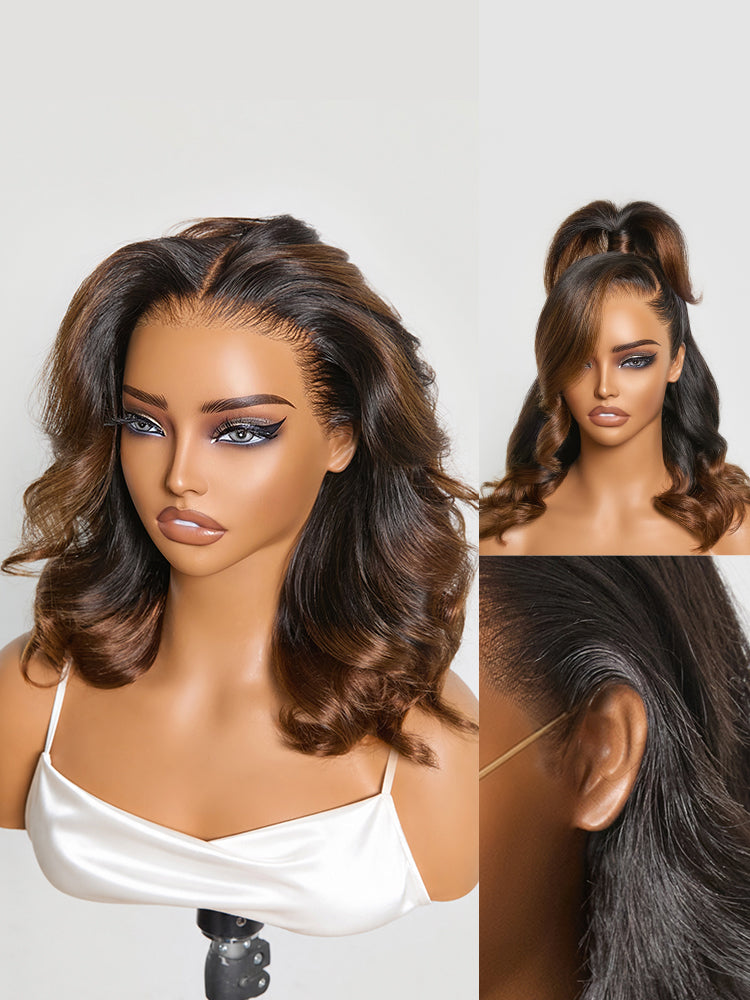
NatureMAX™ Loose Wave Shoulder-Length Wig
A full loose-wave option for testing a flexible shoulder-length look with added movement.
View Product
All-Day Curl Hold™ Body Wave Wig
A medium-length body wave style with bounce and enough length for layered movement.
View Product
NatureMAX™ 200% Density Loose Wave Wig
A long, full loose-wave style for comparing high-impact length with flexible front styling.
View Product
Water Wave 360 Lace Long Wig
A long water-wave option for testing textured length, volume, and updo-friendly styling.
View ProductConclusion
The best hair length depends on proportion, texture, density, comfort, styling habits, and personal preference—not one measurement alone. Use the 2.25-inch test as a starting point, then compare how short, medium, and long styles fit your daily routine.
When you are unsure, shoulder or collarbone length offers the most adaptable transition. A human hair wig also lets you test a new length and texture before making a permanent change to your natural hair.


 + 1
+ 1
 + 1
+ 1
 + 44
+ 44