



If your wig keeps sliding back, lifting at the front, or feeling loose during the day, the problem is usually fixable. Wig slipping can happen because of cap size, hair prep, scalp friction, loose straps, or a wig design that does not give enough hold for your routine.
This guide explains how to keep a wig from slipping with real fixes that actually work, including easy no-glue options, stronger hold methods, and beginner-friendly accessories that help secure your wig.
So, Why Does Your Wig Keep Slipping?
Wig slipping is not always caused by the wig itself. In many cases, it happens because the base underneath the wig is not flat enough, the cap size is not right, or the wig does not have enough grip against the scalp or wig cap.
Main Causes
- The wig cap is too large or too small.
- Your natural hair is not flat underneath.
- Your scalp or wig cap is too slippery.
- The adjustable straps are too loose.
- The wig has little grip for your daily activity level.
Signs Your Wig Needs Better Security
- The front hairline moves backward during wear.
- The nape area lifts or shifts.
- The wig feels unstable when you turn your head.
- You keep readjusting the wig throughout the day.
- The lace does not sit flat after styling.

8 Proven Ways to Keep Your Wig from Slipping
The best solution depends on why your wig is moving. Start with simple no-glue options first, then move to stronger hold methods only if you need extra security.
Method 1: Wear a Wig Cap
A wig cap helps flatten natural hair and creates a smoother base. It is especially helpful if you have short hairs, flyaways, or uneven bulk underneath the wig.
Method 2: Use a Wig Grip Band
A wig grip band increases friction between your head and the wig. It is one of the easiest no-glue options for keeping a wig from slipping back.
Method 3: Adjust the Straps and Elastic Band
Tighten the adjustable straps or elastic band until the wig feels secure but not painful. If it feels too tight, it may cause headaches or make the lace lift.
Method 4: Flatten Your Natural Hair
Cornrows, flat twists, a low bun, or a smooth wig cap can reduce bumps. A flatter base helps the wig sit evenly and prevents shifting.
Method 5: Use Wig Clips or Built-In Combs
Clips and combs can help anchor the wig to natural hair. They work best if you have enough hair for support, but avoid pulling too tightly around sensitive areas.
Method 6: Use Wig Adhesive for Maximum Hold
Wig adhesive can give maximum hold for long wear, events, or humid weather. Always patch test first and remove it gently to protect your skin and edges.
Method 7: Use Wig Tape for Targeted Hold
Wig tape is useful when you only need extra security in certain areas, such as the forehead, temples, or ear tabs. It is often easier to control than full adhesive.
Method 8: Choose a No-Slip or Glueless Wig
A glueless wig with adjustable straps, combs, elastic bands, or a drawstring cap can make daily wear easier, especially for beginners who want security without glue.


Easy No-Glue Options for Keeping a Wig Secure
If you prefer not to use glue, you still have several ways to keep your wig in place. These options are usually easier for beginners and can be more comfortable for everyday wear.
- Wig cap: Helps flatten hair and create a smooth base.
- Wig grip band: Adds friction and helps stop sliding.
- Adjustable straps: Tighten the fit inside the wig cap.
- Elastic band: Helps the wig feel more secure around the head.
- Built-in combs: Anchor the wig to natural hair when used gently.
- Wig tape: Adds targeted hold around the lace, temples, or ear tabs.
- Edge control: Smooths baby hairs or natural hair around the hairline so the wig sits flatter.
How to Choose the Right Wig Size
A secure wig starts with the right cap size. If the wig is too large, it may slide back. If it is too small, it can feel tight, lift at the hairline, or become uncomfortable.

| Fit Issue | What It May Mean | What to Try |
|---|---|---|
| Wig slides backward | The cap may be too large or too slippery. | Use a wig grip band, tighten straps, or choose a better cap size. |
| Wig feels too tight | The cap may be too small or straps may be over-tightened. | Loosen straps or consider a larger cap option. |
| Lace lifts at the front | The wig may be pulled too tightly or not placed correctly. | Reposition the wig and secure the lace gently. |
| Wig looks bulky | Natural hair may not be flat enough underneath. | Braid, wrap, or flatten hair before putting on the wig cap. |
For a more customized fit, you can explore large and small cap size wigs if standard cap sizes do not feel secure or comfortable.
Luvme Accessories for a More Secure Wig Fit
Accessories are often the most practical first step when your wig keeps slipping. Start with a grip band or non-slip cap for everyday no-glue wear, then use tape or adhesive when you need stronger targeted hold for long wear, events, or humid weather.
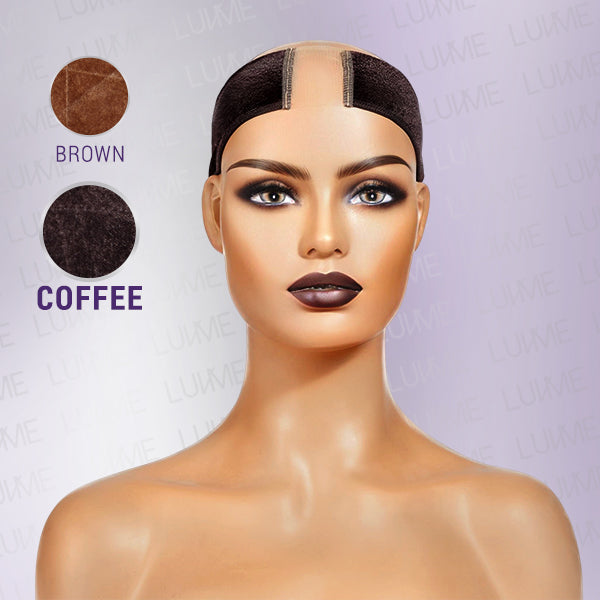
1pc Adjustable Velcro Lace Wig Grip Band, Velvet Comfort Headband

36pcs Double-Sided Lace Tape Upgrade 2.0 Ultra Hold for Lace Wigs
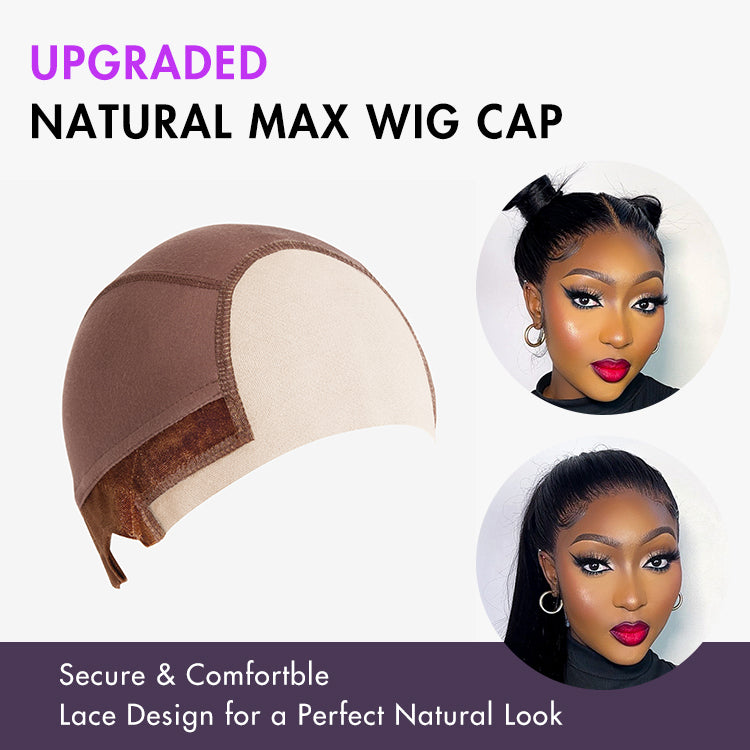
1pc Upgraded Natural Max Wig Cap 2.0 Non-Slip Wig Gripper with Grip Band
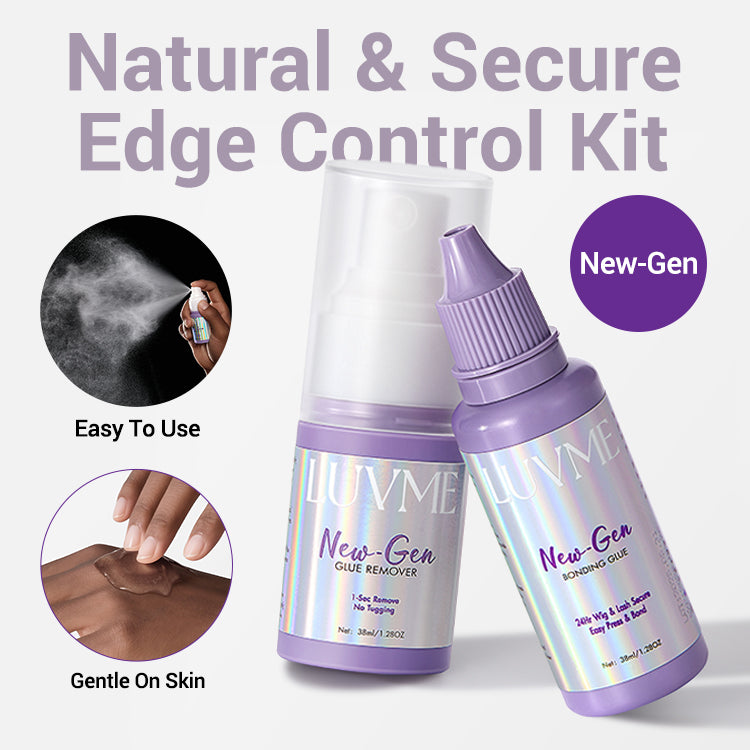
US Only | LUVME Upgraded 2.0 Lace Wig Glue & Remover Kit, Secure Hold & Easy Removal
FAQ About Keeping a Wig from Slipping
How do I keep a wig from slipping without glue?
Use a wig cap, wig grip band, adjustable straps, built-in combs, or a non-slip wig cap. These are easy no-glue options for everyday wear.
Does a wig cap stop a wig from slipping?
A wig cap can help by flattening your natural hair and creating a smoother base, but it works best when combined with proper sizing, adjusted straps, or a wig grip band.
Is a wig grip band better than wig glue?
A wig grip band is easier and gentler for daily no-glue wear. Wig glue can offer stronger hold for long wear, but it requires careful application and removal.
Can wig tape keep a wig secure all day?
Wig tape can help secure specific areas such as the forehead or ear tabs. Hold time depends on skin type, weather, activity level, and how well the tape is applied.
How tight should a wig be?
A wig should feel secure but not painful. If it causes headaches, pressure, or lace lifting, the straps may be too tight or the cap may be too small.
What should I do if my wig is too big?
Tighten the straps, add a wig grip band, use an elastic band, or consider a smaller cap size. If the wig is much too large, a better size may be the most comfortable fix.
What is the best accessory to stop a wig from slipping?
For most beginners, a wig grip band is the easiest first option. For targeted hold around the lace, wig tape can help. For stronger long-wear installs, use wig adhesive carefully.
Conclusion
Keeping a wig from slipping starts with the right base, the right fit, and the right level of hold. A flat wig cap, smooth natural hair prep, adjusted straps, and a wig grip band can solve many slipping problems without glue.
For maximum hold, wig adhesive or tape can help in targeted areas, but they are not the only solution. If you want a more comfortable everyday routine, start with secure-fit accessories first and only add stronger hold products when your lifestyle or styling plan requires them.





 + 1
+ 1
 + 1
+ 1
 + 44
+ 44