



Removing lace front glue is safest when the adhesive is softened before it is moved. Pulling dry glue can stretch delicate lace, loosen knots, or transfer residue into the hair. The method also depends on where the glue is located: on skin, under a detached lace front, in the hair, or on wig tape.
This guide focuses on cleaning residue from a lace front wig after removal. It explains how to protect HD lace, wash away leftover remover, and prepare the wig for another installation.

Table of Contents
- Removing the Wig vs Cleaning the Lace
- What You Need to Remove Lace Front Glue
- How to Remove Glue Step by Step
- What Can You Use to Remove Lace Wig Glue?
- How to Remove Dried Glue From HD Lace
- How to Remove Glue From the Skin and Hairline
- Common Mistakes That Can Damage Lace
- Luvme Products for Glue Removal and Wig Care
- How to Prevent Glue Buildup Next Time
- Conclusion
Removing the Wig and Cleaning the Lace Are Different Tasks
If the lace is still bonded to your skin, do not pull it away to begin cleaning. First release the adhesive along the hairline with a skin-compatible remover. Once the wig is fully detached, clean the underside of the lace on a towel or wig stand.
Skin, lace, and hair do not automatically need the same treatment. Skin may be irritated, HD lace is easy to distort, and glued hair can shed if strands are pulled apart.
What You Need to Remove Lace Front Glue
A white towel or stable wig stand makes residue easier to see and supports the lace.
Choose a product labeled for lace wig glue or tape and follow its directions.
Use cotton pads, a lint-free cloth, or clean fingertips rather than sharp tools.
Prepare lukewarm water, wig shampoo, conditioner, and a wide-tooth comb.
Avoid sharp tools, hard brushes, boiling water, household acetone, and mixtures of different removers. Read the adhesive and remover labels because formulas and waiting times vary.
How to Remove Glue From a Lace Front Wig Step by Step
Place the Removed Wig Lace-Side Up
Lay the wig on a clean towel with the residue facing you. Smooth the lace without stretching it. On a mannequin head, pin only through stronger cap material, never through the front edge.
Identify the Adhesive
Check whether the buildup came from liquid glue, gel, melting spray, tape, or old layers. Tape is normally softened and lifted as a strip, while thick waterproof glue may need several cycles.
Apply Remover Locally
Use a small amount of wig-safe remover only on the residue. Avoid soaking the full wig, flooding the knots, or spreading remover through the hair.
Wait for the Glue to Soften
Follow the label. The glue should become soft, slippery, or gummy before you move it. If it remains hard, add a little remover and wait instead of using more force.
Roll or Blot the Residue Away
Support the lace with one hand and use a fingertip, cotton pad, or lint-free cloth to roll softened glue toward the edge. Work in small sections without nails, tweezers, or combs.
Repeat Without Pulling
Stubborn buildup may need several short applications. Replace dirty pads so removed adhesive is not pressed back onto the lace.
Wash the Lace, Cap, and Hair
Rinse with lukewarm water. Use wig shampoo to remove remover, oil, sweat, and remaining stickiness. Clean with gentle downward motions and rinse until the lace no longer feels slippery.
Condition and Air-Dry
Apply conditioner mainly to the mid-lengths and ends. Rinse, blot with a towel, and let the lace, cap, and hair dry completely before storage or reinstallation.
What Can You Use to Remove Lace Wig Glue?
A dedicated adhesive remover is the most controlled option for dried or layered glue. Cream or oil-based removers may work more slowly and leave residue that needs thorough shampooing. Lukewarm soapy water is best for final cleansing after the adhesive has loosened; it may not dissolve waterproof glue by itself.
Alcohol-based products may help with small residue when permitted by the adhesive manufacturer, but they can be drying and flammable. Use them sparingly, away from heat, and test a hidden area. Petroleum jelly or light oil may soften light skin residue but should be kept away from knots and washed away before reinstalling.
| Method | Best Used For | Main Benefit | Important Limitation |
|---|---|---|---|
| Wig-Safe Adhesive Remover | Dried, layered, or stubborn glue | Designed specifically to soften wig adhesive | Application and waiting time vary by formula |
| Cream or Oil-Based Remover | Light-to-moderate residue | Slower action can be easier to control | May leave an oily film that must be shampooed away |
| Lukewarm Soapy Water | Final cleansing after residue is softened | Removes remover, sweat, oil, and surface buildup | May not dissolve heavy waterproof glue alone |
| Limited Alcohol-Based Method | Small residue when permitted by the product instructions | Evaporates relatively quickly | Can be drying and must be kept away from heat or flame |
How to Remove Dried Glue From HD Lace
HD lace is thin, so reduce friction and stretching. Support the mesh from underneath, work on one section at a time, and wait until the residue changes texture. Never hold the wig by the lace edge while pulling glue away. For several old layers, remove the softened top layer, reapply remover, and continue gradually.
Inspect the lace under good light. Tackiness usually means remover, oil, or adhesive remains. Wash again gently instead of installing over a sticky surface.
How to Remove Glue From the Skin and Hairline
Use a remover labeled for skin contact and keep it away from eyes, broken skin, and active irritation. Wipe softened residue away without scraping. If the skin becomes painful, swollen, blistered, or persistently itchy, stop using the product.
If the lace is still attached, release the wig first. Do not perform the lace-cleaning process while the wig remains bonded to your head.
Common Mistakes That Can Damage Lace
- Pulling firm glue: This stretches lace and may loosen knots.
- Scraping: Nails, tweezers, and combs can puncture or fray mesh.
- Soaking the full wig: This spreads residue through hair and cap materials.
- Using very hot water: Heat can affect processed hair and cap components.
- Mixing solvents: Combined products can create unpredictable fumes or reactions.
- Conditioning the knots heavily: Focus conditioner on hair lengths and ends.
- Reinstalling while tacky or damp: Residue can prevent an even bond.
Luvme Products for Glue Removal and Wig Care
The glue kit and standalone remover support adhesive release, while the shampoo and conditioner support cleansing and care after residue is lifted. These items are currently marked US Only.
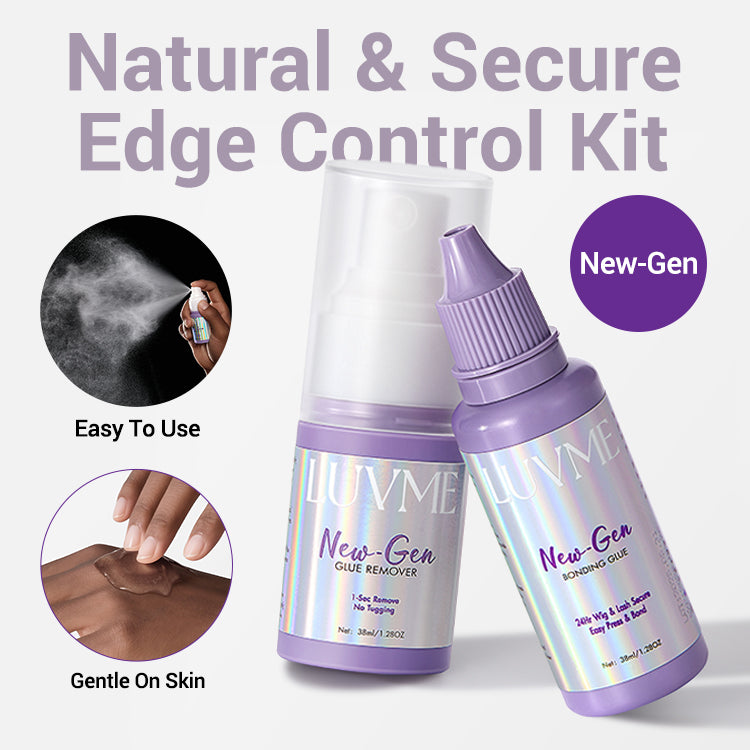
LUVME Upgraded 2.0 Lace Wig Glue & Remover Kit
A paired installation and removal set for users who want compatible glue and remover products in one kit.
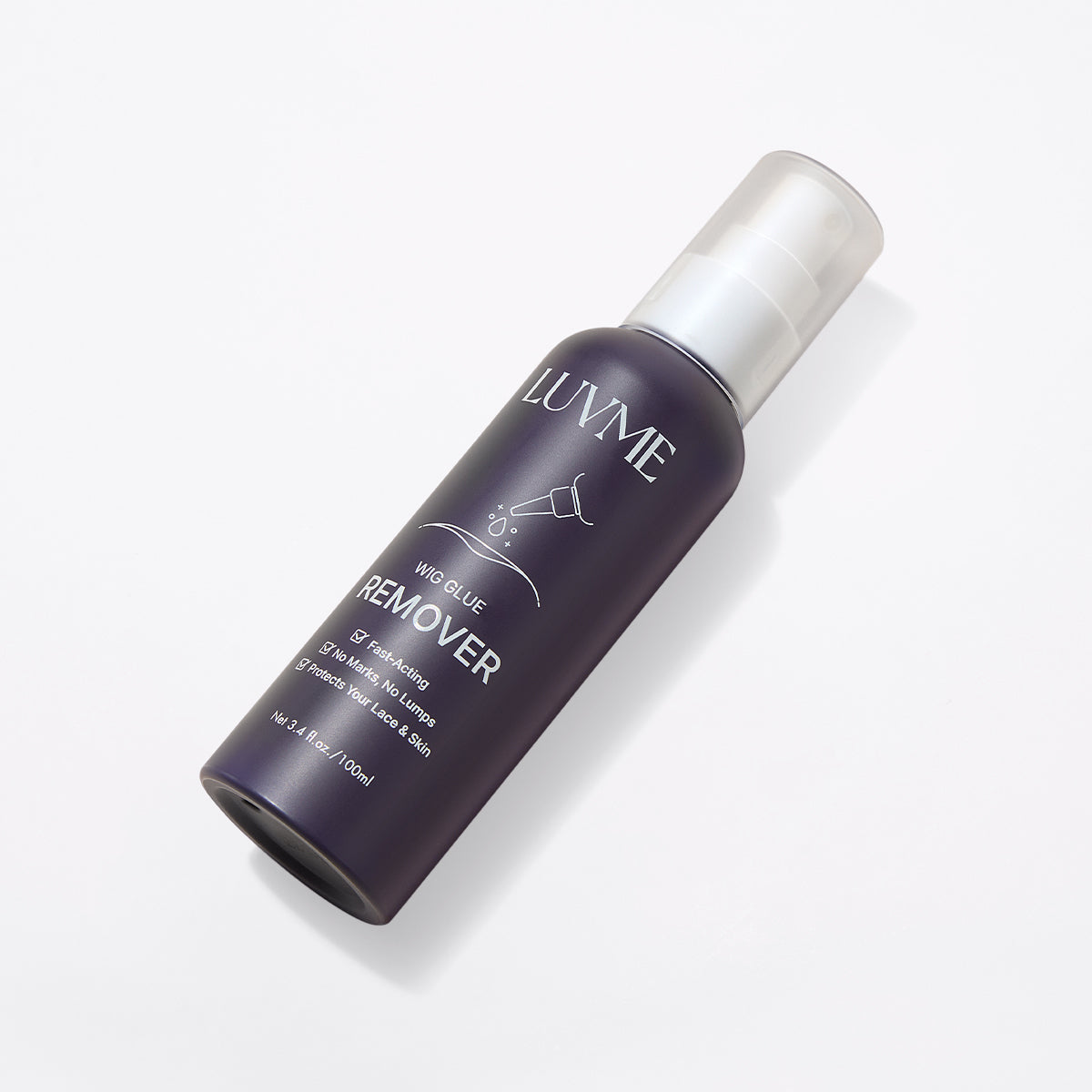
Lace Glue Remover for Lace Wigs
A standalone remover for targeted adhesive or tape residue when a separate glue product is already in use.
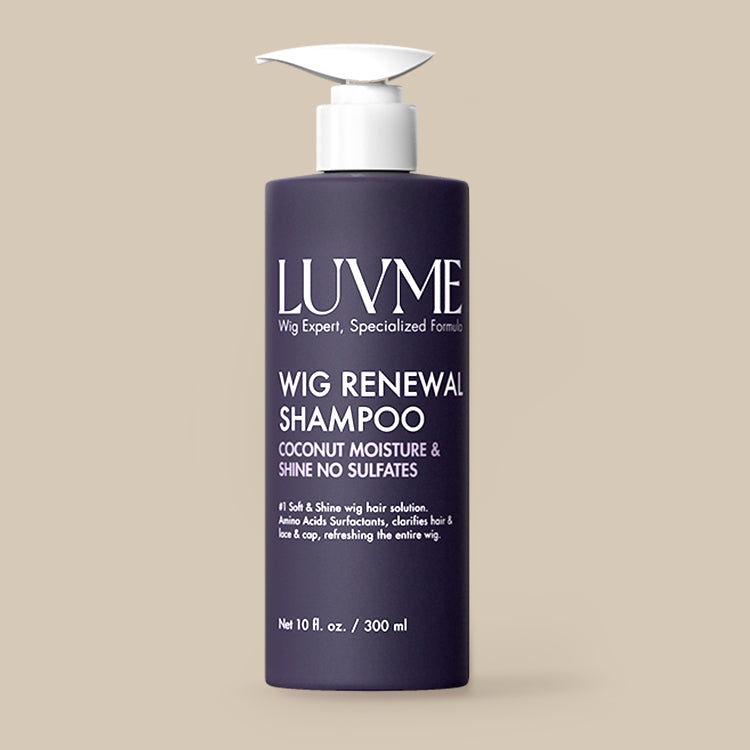
Wig Renewal Shampoo
Used after adhesive is lifted to cleanse leftover remover, oil, sweat, and surface buildup from the wig.
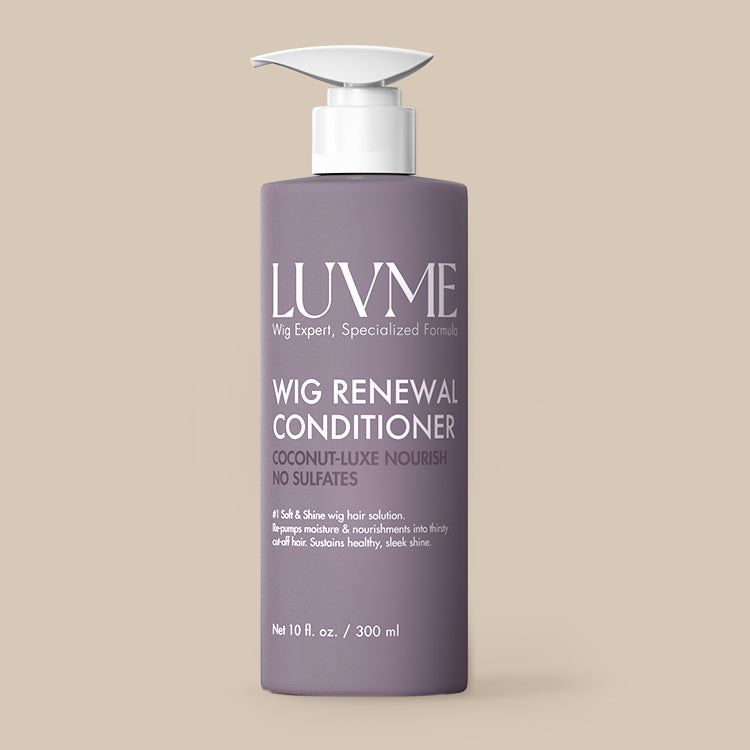
Wig Renewal Conditioner
Supports detangling and moisture after washing; apply mainly to the hair lengths rather than the lace knots.
How to Prevent Glue Buildup Next Time
Begin with clean, dry skin and clean lace. Apply thin, even adhesive layers instead of one heavy layer, and let each layer reach the stage specified by the instructions before placing the lace. Keep glue slightly in front of the natural hairline.
Never place fresh adhesive over old residue. Clean the lace after each glued installation, especially around the ear tabs and front edge. Match the hold to the planned wear time; long-wear adhesive may be unnecessary for same-day removal. For frequent daily removal, a correctly fitted glueless cap can reduce repeated cleanup.
Store the wig only when it is clean and fully dry. Before reinstalling, confirm that the front edge is smooth, oil-free, and no longer sticky.
Conclusion
Safe glue removal depends on patience rather than force. Identify the residue, soften it with an appropriate product, support the lace, and work in small sections. Washing away remover and drying the wig completely are part of the process.
When glue does not move, soften it again. Pulling, scraping, or reaching for stronger household solvents can cause more damage than the residue itself. Clean lace protects the wig’s appearance and gives the next installation a better foundation.


 + 1
+ 1
 + 1
+ 1
 + 44
+ 44