



Hair extensions can work beautifully on short hair, but the result depends on choosing the right method, length, texture, and blending strategy. Short hair has less natural length to cover clips, wefts, tapes, or bonds, so the goal is not only to add inches. The goal is to make the transition from your natural hair to the extensions look soft, balanced, and believable.
In this guide, you will learn how short your hair can be for extensions, which extension types work best for short hair, how crochet hair extensions compare with clip-ins, and how to choose the right length, color, and texture for a natural-looking finish.
Table of Contents
- How Short Can Your Hair Be for Extensions?
- Best Hair Extensions for Short Hair: Quick Comparison
- Clip-In Extensions for Short Hair: Best for Beginners
- How to Blend Clip-In Extensions With Short Hair
- Tape-In Extensions for Short Hair: Best for Seamless Daily Wear
- Nano Bonds / Micro Beads: Best for Very Short Hair
- How to Choose the Right Length for Short Hair
- Conclusion
How Short Can Your Hair Be for Extensions?
The shortest hair that can hold extensions depends on the method. Clip-ins usually need enough top-layer hair to hide the clips and wefts. For many people, that means at least 3–4 inches of natural hair, though thicker hair may hide clips more easily than fine hair. If your hair is shorter than that, clip-ins may feel bulky or become visible near the crown, sides, or nape.
Tape-ins, nano bonds, and micro beads can work on shorter hair because the attachment points are smaller and placed by a stylist. However, they require more maintenance and can create tension if the hair is fragile. Crochet hair extensions are different: they are usually installed onto a braid base or foundation, so they can be a strong option when you want a fuller protective style, but your hair still needs enough length or grip for a secure base.
| Natural Hair Length | Best Extension Direction | What to Consider |
|---|---|---|
| Under 3 inches | Professional methods, crochet base, or wig alternatives | Clip-ins may be hard to hide. A stylist can help decide if the hair can support a secure base. |
| 3–4 inches | Lightweight clip-ins, tape-ins, or crochet styles | Blending requires careful placement, enough top hair, and a close texture match. |
| Chin-length bob | Clip-ins, seamless clip-ins, tape-ins | This length is easier to blend when the extensions are layered or lightly curled. |
| Shoulder-length short hair | Clip-ins, bundles, tape-ins, crochet hair | Most flexible starting point for adding length, volume, or protective styling. |
Best Hair Extensions for Short Hair: Quick Comparison
The best hair extensions for short hair depend on your current haircut, your styling routine, and how long you want to wear the style. Clip-ins are flexible and beginner-friendly. Tape-ins can look flatter for daily wear. Nano bonds and micro beads are more advanced options for very short hair. Crochet hair extensions are useful when your goal is a fuller protective style with texture, movement, and coverage.
| Extension Type | Best For | Pros | Watch Out For |
|---|---|---|---|
| Clip-In Extensions | Beginners, occasional wear, quick length changes | Removable, easy to style, no salon install needed | Clips can show if the hair is too short or too thin on top |
| Tape-In Extensions | Daily wear and flatter blending | Lightweight, smooth, natural-looking when placed well | Needs salon move-ups and careful washing |
| Nano Bonds / Micro Beads | Very short hair and longer wear | Small attachment points and custom placement | Higher cost, more upkeep, possible root tension |
| Crochet Hair Extensions | Protective styles, fuller texture, curly or boho looks | Can create volume and coverage without blending loose ends | Needs a secure braid base and the right install density |
If your priority is a textured protective style, crochet hair extensions may be a better direction than trying to hide clip-in wefts under very short layers.
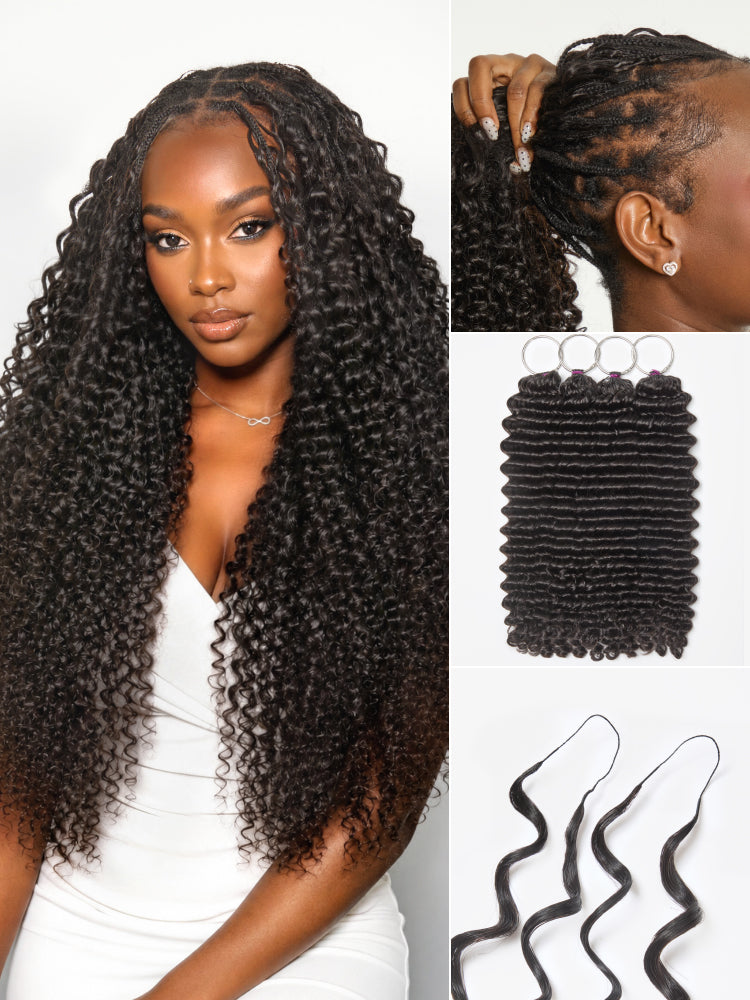
Crochet Extension for Miracle Knots Boho Braids
This crochet extension example is useful for short-hair shoppers who want fuller coverage and texture instead of relying on loose hair blending. For short hair, crochet styles work best when the base is secure, the spacing is balanced, and the chosen texture supports the final shape.
Choose this type of style when your goal is protective styling, fuller volume, and less visible blending between your natural ends and added hair.
Clip-In Extensions for Short Hair: Best for Beginners
Clip-in extensions are often the easiest place to start because they can be applied and removed at home. They are best for short hair that has enough length and density to cover the clips. If your top layer is too short, the clips may show; if your ends are blunt, the transition between your natural hair and the extensions may look too sharp.
For short hair, a seamless or invisible-edge clip-in style is usually easier to blend than a thick traditional weft. A flatter base sits closer to the scalp and creates less bulk under short layers. Straight textures show length more clearly, while body wave textures can soften the line between your natural hair and the extensions.
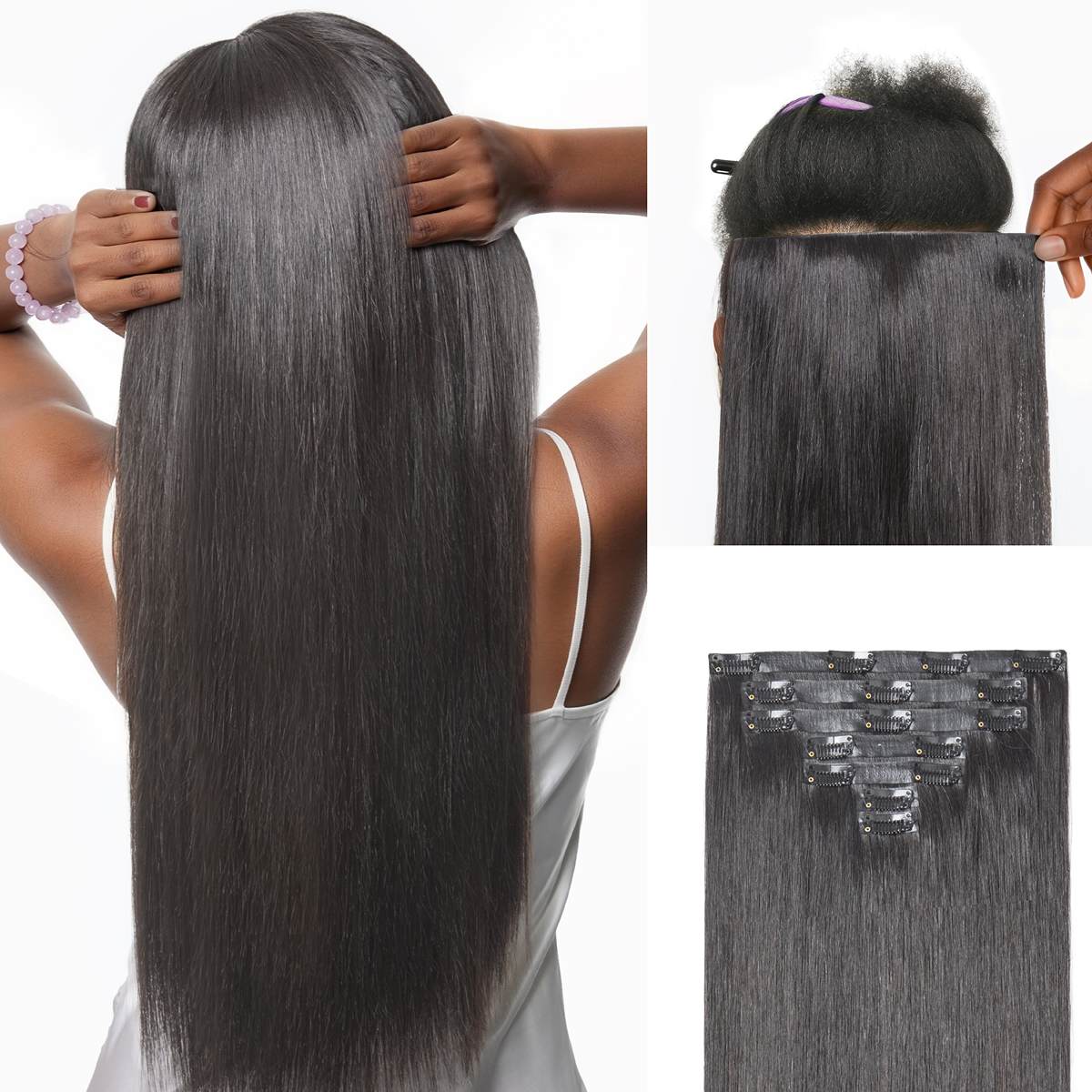
Silky Straight Invisible Clip-In Hair Extensions
This type of clip-in example is helpful for short hair because the flatter weft design can sit closer to the head. It is best used when your natural hair is long enough to cover the clips and you want a sleek, removable length boost.
For a more natural finish, start with a moderate length and style your natural hair and extensions together instead of clipping in very long pieces without layering.
How to Blend Clip-In Extensions With Short Hair
Blending is the most important step when wearing clip-ins on short hair. The shorter your natural hair is, the more attention you should give to placement, texture, and the top layer that hides the clips.
1. Add Texture First
Lightly curl or wave your natural hair before clipping in extensions. Texture helps soften blunt short ends and makes the blend look less obvious.
2. Start Low at the Nape
Place the first weft low enough so the top layers can cover it. Avoid clipping too close to the hairline or part.
3. Keep Enough Hair on Top
Your top section should be thick enough to hide the clips. If the top layer is too thin, use fewer wefts or choose a flatter seamless set.
4. Layer the Extensions
A stylist can trim or layer the extensions so they blend with your haircut instead of creating a harsh short-to-long line.
Watch the tutorial below after choosing your length and texture. The video can help you see how sectioning, placement, and styling affect the final blend on shorter hair.
Tape-In Extensions for Short Hair: Best for Seamless Daily Wear
Tape-in extensions can be a strong choice for short hair when you want a flatter, more natural everyday look. Because tape wefts lie close to the scalp, they can create a smoother transition than bulky clip-ins, especially around the sides and back.
The trade-off is maintenance. Tape-ins should be installed, moved up, and removed by a professional. They also need gentle washing and careful styling so the adhesive stays secure. If your hair is fragile, damaged, or very fine, ask a stylist whether tape-ins are light enough for your roots.

Tape-ins can create a flatter finish when short hair needs a smoother daily blend.
Nano Bonds / Micro Beads: Best for Very Short Hair
Nano bonds and micro beads can work well for very short hair because the attachment points are small and can be placed with more precision. They may be useful when clip-ins are too visible or when you want a longer-wear result.
However, these methods require professional installation and careful upkeep. They can add tension at the root, especially if your hair is fine, weak, or sensitive. If you get headaches from tight styles or your scalp feels tender easily, discuss lighter options with a stylist before choosing bonds or beads.

Nano bonds and micro beads can offer smaller attachment points, but they require careful professional placement.
How to Choose the Right Length for Short Hair
For short hair, the safest extension length is usually moderate rather than extremely long. If your hair is chin length or shorter, 12–16 inches often creates a more believable transition. If your hair is shoulder length, 16–20 inches can add visible length while still blending naturally. Very long extensions can work, but they usually need layers, enough fullness, and strong texture matching.
Color and texture matter just as much as length. Match the overall shade from roots to mid-lengths, not only the ends. If your hair has highlights, balayage, or a warm brown tone, choose a multi-tonal option or a shade that can be blended by styling. For texture, choose extensions that match how you normally wear your hair: straight, soft wave, curly, or protective crochet texture.
Use These Examples to Match Length With Your Short Hair Goal
Short hair usually blends best when length and texture are chosen together. Swipe left or right to compare different extension directions, then click each image to view the product used as a visual reference.

Deep Wave Crochet Extensions
A helpful option when short hair needs fuller coverage and a protective style instead of loose-end blending.
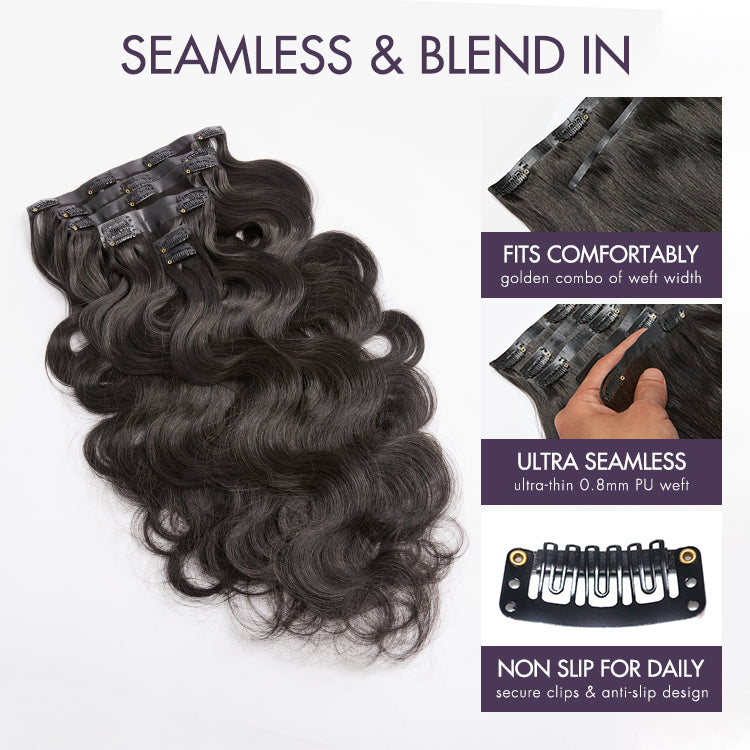
Straight Clip-In Extensions
Best when you want length to show clearly and your top layers are long enough to cover the clips.

Messy Curly Seamless Clip-Ins
Useful when your natural short hair has curl or volume and needs a fuller texture match.

Ombre Brown Deep Wave Crochet
Good for short hair users who want a warmer color effect and a fuller protective style.
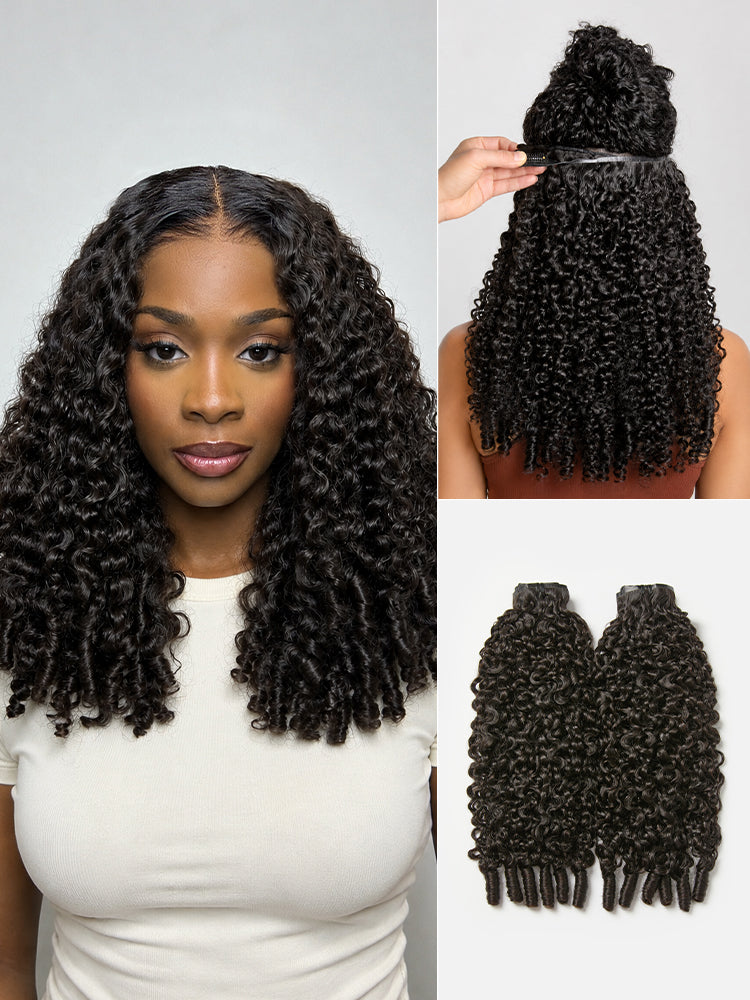
Burmese Curly Clip-Ins
A stronger direction for curly short hair because the curl pattern can help hide the transition line.
Conclusion
Hair extensions can work for short hair, but the best method depends on your natural length, density, texture, and styling goal. Clip-ins are the easiest option for beginners when your hair is long enough to hide the clips. Tape-ins can look smoother for daily wear. Nano bonds and micro beads may work for very short hair but require professional care. Crochet hair extensions are a strong option when you want fuller protective styling and do not want to rely on loose-hair blending.
For the most natural result, start with a realistic length, match your texture closely, choose a color that blends in daylight, and avoid adding too much weight to fragile short hair. When the method, length, and texture work together, short hair can transform into a fuller, longer, and more versatile style while still looking intentional and comfortable.


 + 1
+ 1
 + 1
+ 1
 + 44
+ 44