


Human braiding hair


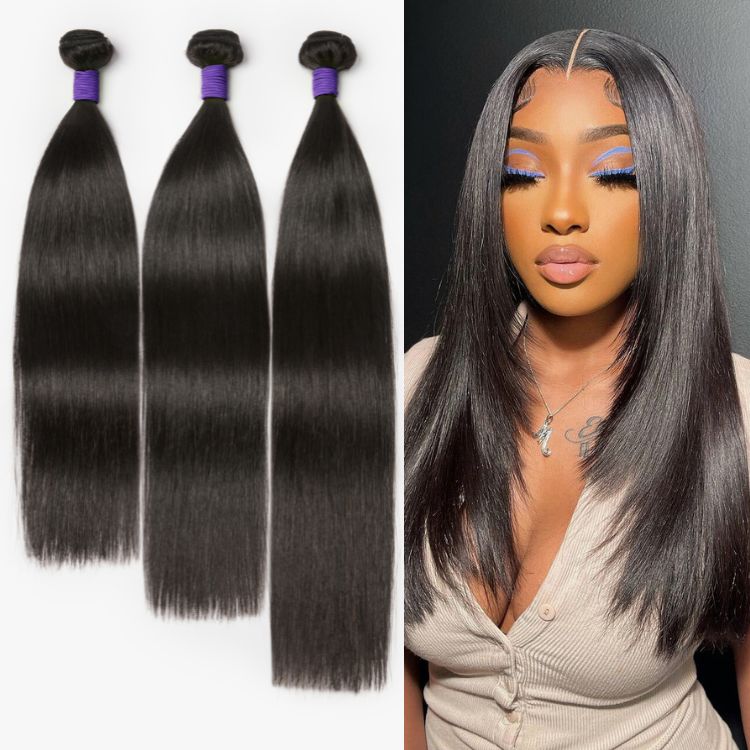


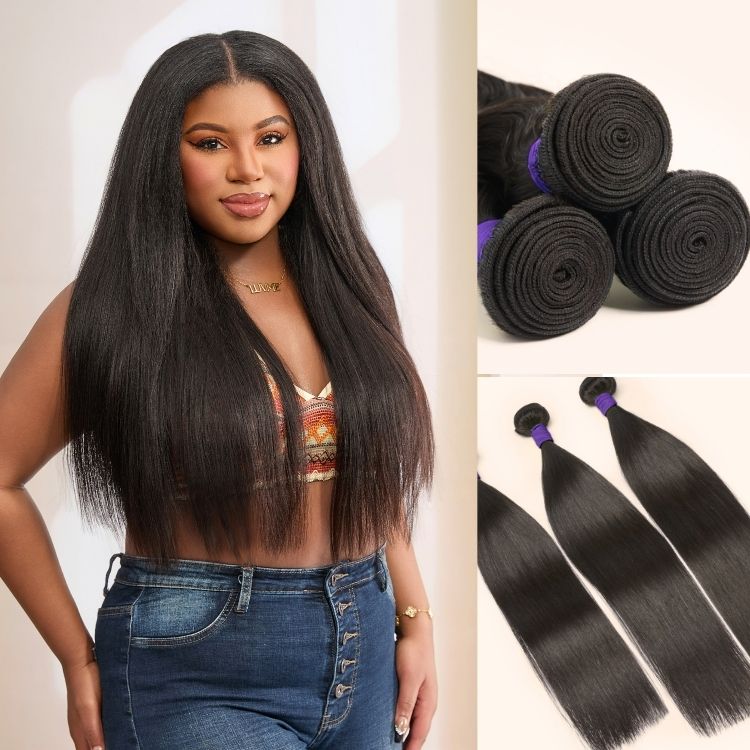


What Is Human Braiding Hair?
Human braiding hair is real human hair used to create braided styles such as boho braids, knotless braids, box braids, goddess braids, feed-in braids, and braided ponytails. Compared with many synthetic options, human hair for braiding can offer a softer feel, more natural movement, and a smoother blend with your own hair.
Luvme human braiding hair is designed for shoppers who want natural-looking braids with shine, softness, and styling flexibility. Available in different textures, lengths, and colors, these human hair bundles for braiding can help you create sleek braided details, curly boho pieces, or full textured braided styles.
Human braiding hair is ideal if you want braided styles with a realistic finish, reusable hair potential, and a softer look than many synthetic braiding hair options.
Why Choose Luvme 100% Human Braiding Hair?
Luvme 100% human braiding hair is made for braided styles that need a natural appearance, soft texture, and flexible styling. It works well for shoppers who want to create boho braids, curly braid pieces, braided ponytails, or natural-looking braid accents.
100% Human Hair Feel
Real human hair offers a softer touch, natural shine, and more realistic movement than many synthetic alternatives.
Natural-Looking Braids
Human hair for braiding can blend more smoothly with your natural hair texture and create a more believable finish.
Multiple Texture Options
Choose straight, body wave, loose wave, water wave, deep wave, yaki straight, kinky curly, or messy curly textures.
Great For Boho Styles
Curly and wavy human braiding hair works well for boho braids, goddess braids, and braided looks with loose curl pieces.
Reusable With Proper Care
High-quality human braiding hair may be reused after removal when it is washed, conditioned, dried, and stored correctly.
Flexible Styling
Human hair can usually be refreshed, shaped, or lightly heat styled with proper heat protectant and gentle handling.
Human Braiding Hair Vs. Synthetic Braiding Hair
Human and synthetic braiding hair can both create beautiful braided styles, but they differ in texture, care needs, styling flexibility, and reuse potential.
| Hair Type | Best For | What To Know |
|---|---|---|
| Human Braiding Hair | Natural movement, boho braids, braided ponytails, and reusable braid styles. | Offers a softer, more realistic finish but needs gentle care to maintain quality. |
| Synthetic Braiding Hair | Budget-friendly protective styles and long braided installs. | Often costs less, but usually has less restyling flexibility and a less natural feel. |
| Human Hair Bundles For Braiding | Boho pieces, feed-in details, braided ponytails, and custom braid looks. | Choose texture, length, and color based on the braid style you want to create. |
Human Braiding Hair Textures: Which One Should You Choose?
The best texture depends on the braid style you want. Straight textures create sleek braid details, while wavy and curly textures are better for boho braids, goddess braids, and fuller curly braid pieces.
| Texture | Best For | Style Effect |
|---|---|---|
| Silky Straight | Sleek braided ponytails and straight feed-in details. | Creates a smooth, polished braided finish. |
| Yaki Straight | Natural blown-out texture and textured straight braid looks. | Adds a more realistic, natural straight finish. |
| Body Wave | Soft boho braids and romantic braided styles. | Adds gentle volume and soft movement. |
| Loose Wave | Flowing braid pieces and relaxed boho looks. | Creates natural movement without a tight curl pattern. |
| Water Wave | Wet-and-wavy boho braids and vacation-inspired styles. | Adds defined wave texture and a fresh curly finish. |
| Deep Wave | More defined curly braid pieces. | Creates stronger texture, volume, and curl definition. |
| Kinky Curly | Natural textured curly styles. | Adds fuller curl volume and a natural hair-inspired look. |
| Messy Curly | Soft curly boho pieces and relaxed braid accents. | Creates a less uniform, lived-in curly finish. |
How To Choose The Best Human Hair For Braiding
The best human hair for braiding depends on hair quality, texture, length, color, braid style, and whether you plan to reuse the hair after removal.
| What To Consider | Best Choice | Why It Matters |
|---|---|---|
| Hair Quality | Virgin, Remy, or high-quality human hair. | Better hair quality can help reduce tangling and improve reuse potential. |
| Texture | Straight, wave, curly, yaki, or kinky curly textures. | Texture controls the final look and how the braid pieces blend. |
| Length | Medium, long, or extra-long braiding hair. | Length affects braid length, fullness, and styling impact. |
| Color | Natural black or a shade that matches your braid style. | A close color match helps the braids look more seamless and natural. |
| Style Goal | Boho braids, box braids, knotless braids, goddess braids, or braided ponytails. | Different braid styles need different textures, lengths, and amounts of hair. |
| Reuse Plan | Human hair that can be washed, conditioned, and stored after removal. | Helpful if you want to reuse the hair for future braid styles. |
How Long Does Human Braiding Hair Last?
Human braiding hair lifespan depends on two different factors: how long the braided style is worn and whether the hair can be reused after removal. A braided install may last several weeks depending on braid size, scalp care, tension, styling method, and maintenance routine.
After removal, high-quality human braiding hair may be reused if it is gently detangled, washed, conditioned, dried completely, and stored properly. Avoid overly tight installation, rough removal, and heavy product buildup if you want to keep the hair in better condition.
How To Style A Ponytail With Human Braiding Hair
Human braiding hair can be used to create a sleek or textured braided ponytail. For best results, prepare your natural hair, secure the ponytail base, add the braiding hair, and shape the final look gently.
Simple Braided Ponytail Steps
To style a ponytail with human braiding hair, smooth your natural hair, secure the base, attach the braiding hair, braid or wrap the style, and finish with lightweight product.
- Prepare your natural hair: Detangle, smooth, and gather your hair into the ponytail position you want.
- Secure the base: Use a strong hair tie or band to create a stable ponytail base without pulling too tightly.
- Add the human braiding hair: Attach or wrap the braiding hair around the base, depending on the style you are creating.
- Braid or shape the ponytail: Braid, twist, wrap, or style the added hair into your desired ponytail look.
- Blend and finish: Use light mousse, edge control, or finishing spray only where needed to keep the look neat.
How To Care For Human Braiding Hair
Human braiding hair can stay soft and reusable with proper care. The key is to reduce tangling, avoid heavy product buildup, and handle the hair gently during installation, wear, removal, and storage.
Human Braiding Hair Care Tips
- Choose gentle installation: Avoid overly tight braids that create unnecessary tension on your natural hair.
- Use lightweight products: Heavy gels, oils, and sprays can cause buildup and make the hair harder to reuse.
- Detangle carefully: Use your fingers or a wide-tooth comb, starting from the ends and working upward.
- Protect loose curls: For boho or curly braid pieces, separate curls gently to reduce matting and frizz.
- Use heat protectant: If you use heat tools, apply heat protectant and avoid excessive heat.
- Remove gently: Take down braids carefully or ask a professional stylist to help reduce breakage and tangling.
- Store fully dry: After washing, make sure the hair is completely dry before storing it in a satin bag or clean container.
How To Wash Human Hair For Braiding
Washing human braiding hair gently can help remove buildup and prepare the hair for reuse. Always check the product details first, especially for colored hair or textured styles.
Washing Steps
- Detangle first: Gently remove tangles from the ends upward before washing.
- Secure the hair loosely: Use a soft hair tie to keep the bundle together without pulling tightly.
- Use cool to lukewarm water: Avoid hot water, which can dry out the hair.
- Apply gentle shampoo: Use sulfate-free shampoo and smooth it through the hair without rubbing harshly.
- Condition mid-length to ends: Focus conditioner on the hair instead of the tied area.
- Rinse carefully: Rinse until the water runs clean, then gently squeeze out excess water.
- Air dry completely: Lay the hair flat on a towel or hang it to dry before storing.
Note: Colored human braiding hair may release a small amount of color during washing. Use an old towel and avoid washing different colors together.
Where To Buy Good Quality Human Braiding Hair?
You can buy human braiding hair online or in-store. Shopping online makes it easier to compare texture, length, color, product details, and reviews before choosing the hair that fits your braid style.
When buying online, check each product page for current shipping options, delivery estimates, return policy, texture details, and customer photos. This helps you choose the right human hair for braiding before placing your order.
Explore Related Human Hair Extensions
Looking for another extension type or texture? Explore related collections based on your braid style, texture preference, and installation method.
FAQ About Human Braiding Hair
How Many Bundles Do I Need For Human Hair Braids?
The number of bundles depends on braid size, length, fullness, and whether you want loose boho pieces. Small or extra-full braid styles usually need more hair than larger, lighter styles.
Can I Swim With Human Braiding Hair Installed?
Swimming can increase tangling, dryness, and product buildup. If you swim, rinse the hair gently afterward, condition the loose pieces, and let the style dry completely.
Can I Mix Human Braiding Hair With Synthetic Braiding Hair?
Yes. Some styles use synthetic hair for the braided base and human hair for loose curly pieces. Make sure the textures and colors work together before installation.
Can Human Braiding Hair Be Colored?
Human braiding hair may be colored by a professional stylist, but bleaching or strong chemical processing can affect softness, curl pattern, and reuse potential.
Does Human Braiding Hair Need To Be Sealed?
It depends on the braid style and installation method. Ask your stylist how to secure the ends without damaging the hair, especially if you plan to reuse it.
Can I Sleep With Loose Boho Pieces?
Yes, but protect the loose pieces with a satin bonnet or scarf. This helps reduce friction, frizz, and tangling while you sleep.




