



Fulani braids combine detailed scalp braiding with longer individual braids, curls, or loose textured lengths. The style is associated with the Fulani, also called Fula or Fulɓe, whose communities extend across West Africa and the Sahel. Modern salon interpretations can be minimal or highly decorative, but their cultural roots should remain part of how the hairstyle is described.
This guide presents 20 Fulani braid styles, organized by classic details, curls, creative patterns, color, and accessories. Use the ideas to compare braid direction, volume, length, and visual impact before choosing a look that suits your routine.
Quick answer: Fulani braids commonly combine cornrows along the front or crown with longer braids or textured lengths. Recognizable details may include a center braid, braids near the temples or ears, face-framing pieces, beads, cuffs, or shells. Modern versions may add curls, color, heart parts, and asymmetrical designs.
Table of Contents
What Are Fulani Braids?
Fulani braids are not defined by one fixed salon pattern. Traditional hairstyling and adornment differ across Fulani communities and regions. In contemporary beauty terminology, the name usually describes a family of looks combining cornrows with longer free-hanging braids or curls. Temple braids, a center or hairline braid, and decorative beads are common identifying details.
The hairstyle can support protective styling by keeping natural hair organized and reducing daily manipulation. However, protection depends on installation quality. The braids should not pull painfully around the temples, ears, or hairline, and heavy extensions or accessories should not place unnecessary stress on the scalp.
Classic and Face-Framing Fulani Braids
Classic interpretations emphasize balanced cornrows, temple braids, and a clear front-to-back structure. These five options are easy starting points when you want recognizable detail without an overly elaborate scalp pattern.

Classic Center-Part Fulani Braids
A center braid or clean middle division creates symmetry through the crown. Slim side cornrows and longer individual braids keep the look recognizable, while small beads add detail without making the overall style feel heavy.

Straight-Back Fulani Braids
Neat rows travel toward the back while slim braids remain near the ears. The direct pattern feels polished and practical, making it suitable for everyday wear, ponytails, and simple accessory placement.

Face-Framing Temple Braids
Two narrow braids fall beside the cheeks or in front of the ears, drawing attention to the face. Keep these pieces lightweight and comfortably installed because the temple area can be more sensitive to tension.

Side-Part Fulani Braids
An offset part creates movement across the front and works well for anyone who prefers asymmetry. The remaining cornrows can curve toward the heavier side while the free braids fall into a soft side-swept shape.

Fulani Braided Bangs
Braided fringe brings the design forward and can be worn centered, side-swept, or pinned back. A lighter braid size prevents the front from feeling bulky and helps the bangs move more naturally.
Fulani Braids With Curls
Curls soften the structure of cornrows and add volume through the lengths. The balance between braided and loose hair determines whether the result looks sleek, romantic, bohemian, or full-bodied.

Fulani Braids With Curly Ends
The scalp remains structured while the lower sections open into defined curls. This variation keeps the detail of braids without a fully sleek finish and works especially well at medium or long lengths.

Boho Fulani Braids
Loose curly pieces are distributed between the braids rather than limited to the ends. The intentionally undone texture creates more movement, although the exposed curls usually require more detangling and nighttime protection.

Deep-Wave Fulani Braids
Defined deep waves create a fuller silhouette beneath slim front cornrows. This is a strong option when you want visible texture and length while keeping the braided top neat and sculpted.

Fulani Braids With Loose Curls
Larger, softer curls produce an airy finish and reduce the visual density of the braiding. A few face-framing curls blend with temple braids and keep the front from appearing too severe.

Curved Cornrows With Curly Lengths
Curved rows guide the eye around the crown before flowing into textured lengths. The rounded direction feels softer than straight-back braids and can make a detailed pattern appear more fluid.
Creative Fulani Braid Patterns
Modern patterned versions can preserve recognizable Fulani-inspired details while changing the direction of the cornrows. Temple braids, longer free sections, or a central feature help distinguish these looks from general decorative cornrows.

Zig-Zag Fulani Braids
Angular parts introduce movement across the scalp without requiring many accessories. Keeping the temple braids slim and the remaining lengths simple allows the zig-zag pattern to remain the main feature.

Criss-Cross Fulani Braids
Crossing sections create depth near the center or sides of the crown. Narrow intersections feel subtle, while wider crossings appear more sculptural and are easier to notice in photographs.

Heart-Part Fulani Braids
A heart-shaped section near the ear adds a playful focal point while the surrounding rows maintain the style’s structure. Positioning the heart off-center keeps the design visible without crowding the crown.

Asymmetrical Fulani Braids
Different braid directions on each side give the look an editorial edge. The pattern can still feel balanced when braid thickness, length, and accessory placement remain consistent across the finished style.

Geometric Fulani Braids
Diamonds, curves, or maze-like sections create a highly customized crown. Ask for clean spacing and avoid overcrowding small areas, since excessive parting can increase tension and make scalp care more difficult.
Fulani Braids With Color and Accessories
Color and ornamentation can change a simple braid pattern without adding more cornrows. Select lightweight details and distribute them evenly so that the ends and hairline do not carry unnecessary weight.

Fulani Braids With Beads
Beads are one of the most recognizable decorative choices. Use a limited palette for a refined finish or mix sizes and materials for stronger contrast, while keeping heavier pieces away from delicate temple braids.

Fulani Braids With Rings and Cuffs
Metallic rings and cuffs add shine without changing the underlying pattern. A few accents near the front create focus, whereas placing them throughout the lengths gives the style a stronger statement finish.

Blonde Fulani Braids
Honey, golden, or pale blonde extensions make the cornrow direction easier to see. Blending blonde with a darker root can create a softer transition and reduce the contrast around the scalp.

Copper Fulani Braids
Copper and reddish-brown tones add warmth while remaining easy to pair with natural-looking roots. The color is especially noticeable on straight braided lengths and shoulder-length bob shapes.

Fulani Braids With Shell-Inspired Details
Cowrie-inspired and shell-shaped accessories create a heritage-aware decorative finish. Use them thoughtfully, avoid treating cultural ornamentation as a costume, and choose smooth attachments that will not catch on the braids.
How to Choose the Right Fulani Braid Style
Start with the result you want rather than choosing only from a photograph. Braid size affects weight and installation time, while loose curls require more upkeep than fully braided lengths. Scalp sensitivity should also influence the number of small rows placed around the hairline.
| Your Preference | Styles to Consider | What to Keep in Mind |
|---|---|---|
| Softer finish | Boho braids or curly ends | Loose hair needs more detangling and moisture control. |
| Classic detail | Center-part braids with beads | Keep temple pieces lightweight and comfortably installed. |
| Bold scalp design | Zig-zag, heart, or geometric parts | Detailed sections can increase installation time. |
| Less overall weight | Medium length with fewer accessories | Avoid heavy beads at the hairline and ends. |
| Ready-shaped option | Fulani braided wig | Check lace area, cap fit, material, and braid placement. |
How Are Fulani Braids Different From Other Patterned Braids?
“Tribal braids” is often used as a broad commercial label for many patterned African-inspired styles. Fulani braids refer to a more specific culturally associated style family. A hairstyle should not be called Fulani only because it has decorative cornrows. Look for a combination of front or crown cornrows, longer braids or textured lengths, temple details, and intentional adornment.
Cultural note: Modern salon versions can celebrate the beauty of the style while still naming its Fulani roots accurately. Avoid presenting all African braid traditions as one interchangeable category.
Luvme Fulani Braided Wigs to Explore
A Fulani braided wig offers a ready-shaped alternative for wearers who want detailed cornrows and braided or curly lengths without completing a full salon braid installation. Construction, lace area, texture, cap fit, and styling flexibility vary by product, so review each product page before choosing.
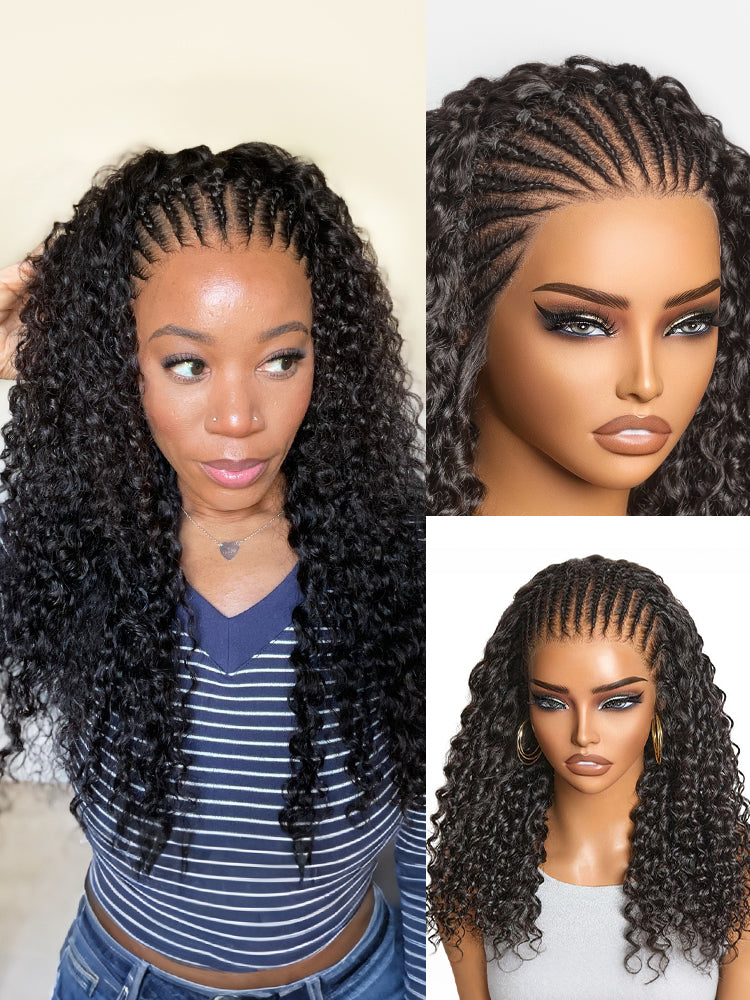
Readitress™ Knotless Fulani Braids Wig
Structured front braids transition into full deep-wave human hair lengths for a soft, voluminous finish.
View Product →
Side-Parted Fulani Braids Bob Wig
A side-braided front and sleek bob length create a shorter, polished interpretation of the style.
View Product →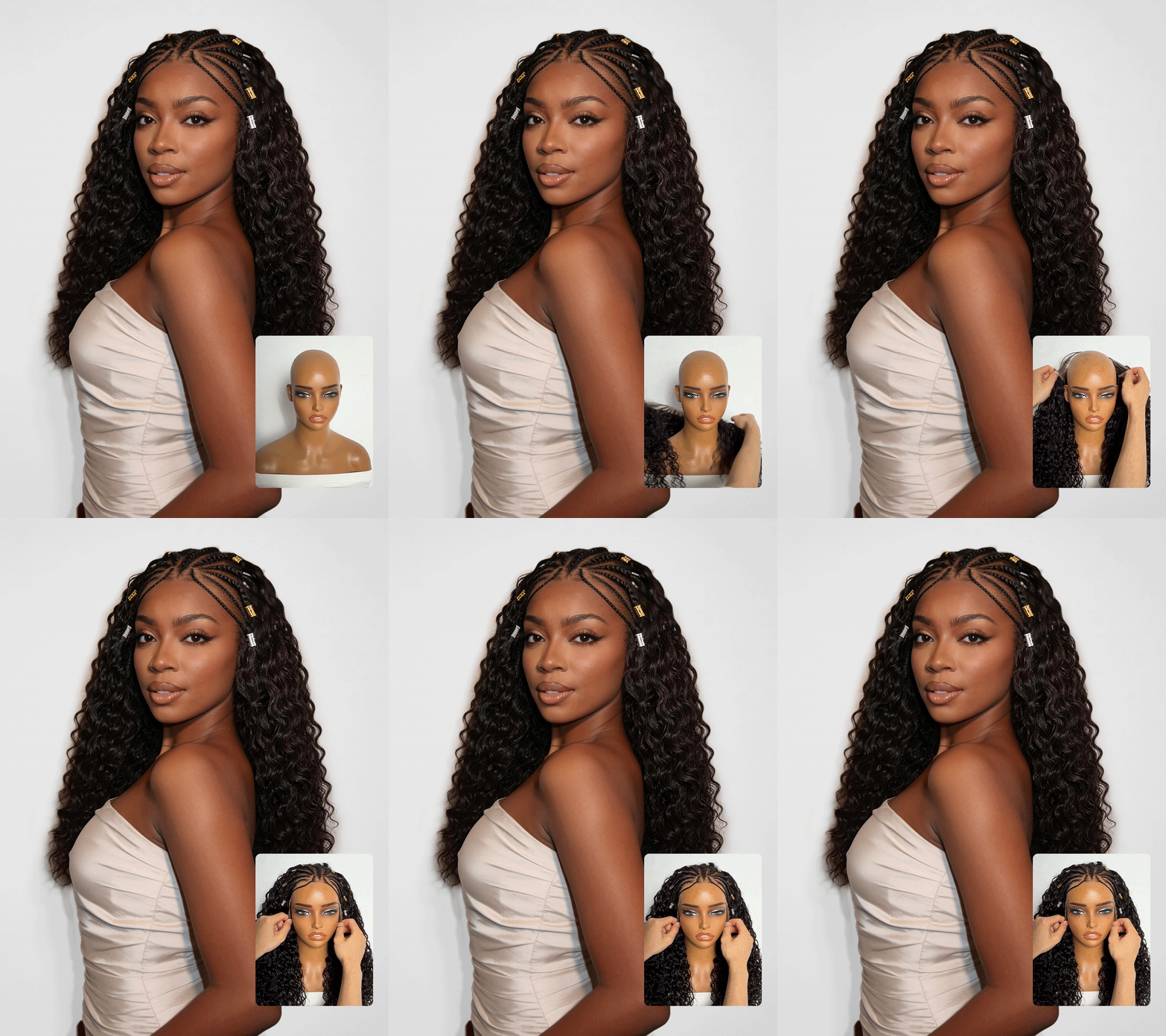
Boho Fulani Braids Water Wave Wig
Decorative front braids and loose water-wave lengths create a softer bohemian silhouette with visible movement.
View Product →
Copper Red Fulani Braids Bob Wig
Warm copper color highlights the side braid pattern and gives the straight bob a more expressive finish.
View Product →How to Care for Fulani Braids
Protect the Style at Night
Wrap the braids with a satin scarf or use a satin bonnet to reduce friction. Gather long lengths loosely rather than bending them into a tight knot.
Keep the Scalp Clean
Use a lightweight scalp cleanser or diluted rinse as needed. Avoid repeatedly layering thick oils and gels, which can make buildup harder to remove.
Watch the Hairline
Temple and face-framing braids should not cause persistent pulling, burning, or soreness. Loosen or remove sections that place stress on delicate areas.
Know When to Take Them Down
Remove the style when there is ongoing pain, redness, bumps, matting, heavy buildup, or visible breakage. A neat appearance is not worth scalp discomfort.
Conclusion
Fulani braids can be classic, curly, colorful, minimal, or highly patterned. The best option balances visual detail with comfortable tension, manageable weight, and a realistic care routine. Whether you choose traditional braiding or a ready-shaped braided wig, recognize the style’s Fulani roots and select a version that supports both expression and scalp comfort.


 + 1
+ 1
 + 1
+ 1
 + 44
+ 44