



Split dye hair is a bold two-tone color look where the hair is divided into sections, often left and right, top and bottom, or face-framing panels. It is popular because it lets you mix natural shades with vivid colors, create high contrast, or test a statement look without coloring the entire head.
To DIY split dye hair at home, pick your color combination, section your hair cleanly, protect the opposite side, apply dye carefully, let it process, rinse each side separately, and style the finished look. If you want less damage, a 613 blonde wig is a beginner-friendly alternative for trying split dye color.
What Should You Know Before DIY Split Dye Hair?
Before you start, understand that split dye hair depends on clean color placement. A messy part or uneven section can make the final look feel unbalanced. Decide whether you want a classic half-and-half split, a side panel, face-framing color, or a hidden underneath color before mixing any dye.
Your current hair color matters. If you want blonde split dye hair, pastel colors, or bright purple split dye hair on dark hair, you may need bleach first. Bleaching can cause dryness or breakage if done incorrectly, so beginners should be careful with major color changes. If your hair is already damaged, recently relaxed, or chemically treated, consider a stylist or a wig instead.
What You Will Need
Prepare all tools before you begin. Split dye hair needs control, separation, and patience, so do not start if you are missing clips, gloves, or a proper comb.
| Tool | Why You Need It |
|---|---|
| Hair dye | Creates the split color effect. Choose shades that work with your current base. |
| Bleach or lightener, optional | Needed if you want a much lighter or more vivid shade on dark hair. |
| Gloves | Protects your hands from staining. |
| Rat-tail comb | Helps create a clean center part, side part, or panel section. |
| Hair clips | Keeps each color section separate during application. |
| Barrier cream | Protects the hairline, ears, and neck from dye stains. |
| Mixing bowl and brush | Helps apply color more evenly near the parting line. |
| Foil or plastic wrap | Prevents colors from touching while they process. |
| Color-safe shampoo and conditioner | Helps maintain the color after rinsing. |
How to DIY Split Dye Hair at Home
Step 1: Pick Your Color
Choose a color combination based on your hair base, skin tone, and maintenance level. Black and blonde is dramatic. Brown and caramel is softer. Purple and black feels creative and edgy. Blonde split dye hair gives strong contrast but may require lightening if your hair is dark.
Step 2: Section Your Hair
Use a rat-tail comb to create a clean part. For a classic split, part the hair down the middle from front hairline to nape. Clip each side tightly so the sections do not mix. If you have curly hair, detangle and stretch the hair slightly so the color placement is easier to control.
Step 3: Apply Hair Dye
Apply dye to one side at a time. Keep the opposite side protected with clips, foil, or plastic wrap. Use a small brush near the parting line for precision, and fully saturate the hair so the color looks even. If using bleach, follow the instructions carefully and avoid leaving it on too long.
Step 4: Let the Dye Set
Let the color process according to the product instructions. Do not guess the timing or use extra heat unless the dye instructions allow it. Keep both sections separated while the color develops to prevent bleeding at the part line.
Step 5: Rinse and Style
Rinse each color section separately with cool or lukewarm water. This helps reduce color bleeding. After rinsing, use color-safe conditioner, dry gently, and style the hair to show off the split. For curls, use curl-friendly products so the two-tone pattern stays defined.
7 Fascinating Split Dye Hair Ideas
Blonde Split Dye Hair

Blonde split dye hair is bright, bold, and easy to customize. You can pair blonde with black, brown, pink, or purple for a high-contrast look. This style is best if you want your color to stand out immediately.
Purple Split Dye Hair

Purple split dye hair is playful and expressive. Deep purple works well with dark hair, while lavender usually needs a lighter base. It is a good choice for anyone who wants color without going neon.
Black and Blonde Split Dye

Black and blonde is one of the most iconic split dye combinations. The contrast is sharp and photo-friendly, especially with straight hair, blunt bobs, or long layers.
Brown and Caramel Split Dye

Brown and caramel is a softer option for everyday wear. It gives dimension without feeling too dramatic, making it a good first split dye choice for beginners.
Pink and Black Split Dye

Pink and black creates a fun, edgy effect. Bright pink looks bold and youthful, while dusty rose feels softer and more wearable.
Split Dye Curly Hair

Split dye curly hair looks dimensional because the color moves through the curl pattern. The key is careful sectioning, since shrinkage and volume can change how the split appears once the hair dries.
Face-Framing Split Dye

Face-framing split dye is a lower-commitment way to try the trend. Instead of coloring half the head, you dye the front panels or money-piece sections for a strong but controlled effect.
DIY Split Dye Hair Wig: 613 Blonde Wig Options
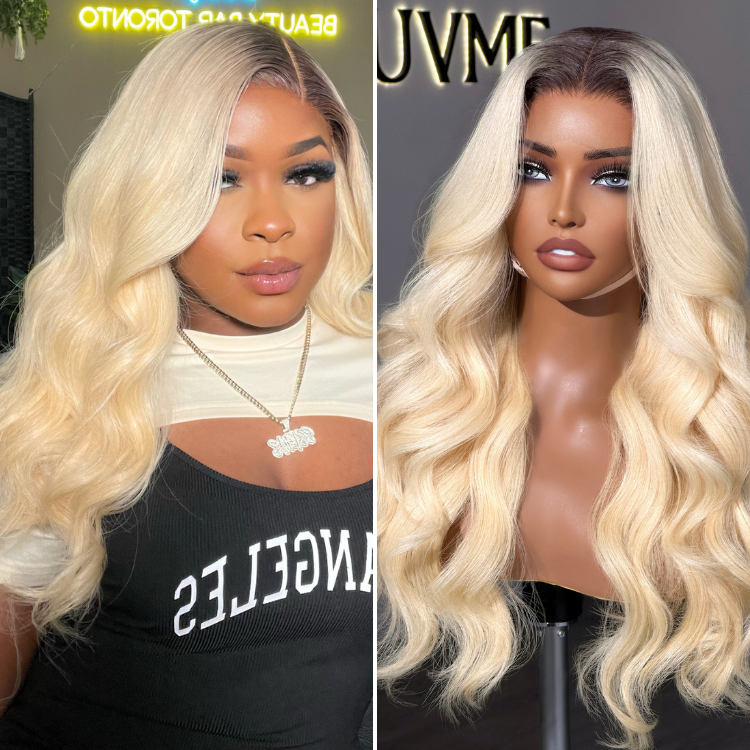
If you want split dye color without bleaching your own hair, a 613 blonde wig can be a smart starting point. The light base gives you more freedom to customize color, and you can test bold ideas without changing your natural hair.


Final Thoughts
DIY split dye hair is a creative way to try a bold two-tone look, but the best results come from preparation. Pick colors that work with your current base, section carefully, protect each side, and rinse separately to reduce bleeding.
If you are nervous about bleaching or damaging your natural hair, a 613 blonde wig is a flexible alternative. You can explore blonde split dye hair, purple split dye hair, split dye curly hair, or face-framing color ideas while keeping your own hair untouched.


 + 1
+ 1
 + 1
+ 1
 + 44
+ 44