



You can work out in a wig, but the right setup depends on the wig, your head measurements, and the intensity of the activity. Walking and strength training place different demands on a wig than running, dance, or high-impact interval workouts.
A secure glueless wig should stay in position without creating strong pressure at the temples, ears, or nape. This guide explains how to prepare your wig before exercise, manage sweat and friction, and care for the cap and hair after your workout.
Table of Contents
Can You Work Out in a Wig?
Yes, many people can exercise comfortably in a wig when the cap is correctly positioned and the activity matches the level of security. Low-impact workouts generally require less support, while running, jumping, or rapid direction changes require a closer fit and a careful movement test.
A wig should not move repeatedly, press painfully into the skin, or interfere with vision, headphones, glasses, or protective equipment. If it cannot remain secure without excessive tension, choose a different wig or remove it for that activity.

What Makes a Wig Suitable for Exercise?
Secure Adjustable Fit
Adjustable straps, an elastic band, a drawstring, or a non-slip under-wig cap can improve stability when used without excessive tension.
Lightweight Construction
A lighter cap and manageable density can reduce heat and weight during longer workouts.
Short or Controlled Length
Pixies and bobs create less movement and nape friction. Long hair should be secured in a low braid, ponytail, or loose low bun.
Removable Glueless Design
A glueless wig can be easier to remove after exercise so the scalp, lace, and inner cap can dry properly.
How to Secure a Wig Before a Workout
Flatten Your Natural Hair
Braid, wrap, or pin your hair evenly. Avoid a bulky section at the crown or nape because it can cause slipping, gaps, and uneven pressure.
Position the Wig Before Tightening
Align the front hairline, ear tabs, crown, and nape. Smooth out folds before adjusting straps, bands, or a drawstring.
Adjust the Cap Gradually
Begin with a comfortable setting and increase security in small stages. A stable cap should not cause pinching, numbness, or strong pressure around the temples.
Add an Optional Grip Layer
A non-slip gripper cap or breathable wig cap can create a flatter base and provide additional support. Keep it smooth and avoid making the layer tighter than necessary.
Control the Hair Length
Secure medium or long hair in a low ponytail, loose braid, or low bun. Avoid heavy high styles that pull the wig backward during movement.
Complete a Movement Test
Turn your head, bend forward, squat, and jog lightly in place. Readjust the wig if the nape lifts, the lace shifts, or the ear tabs become uncomfortable.
Which Wig Setup Works for Different Workouts?
| Workout | Main Challenge | Recommended Setup |
|---|---|---|
| Walking | Light movement and outdoor wind | Properly adjusted glueless cap; loosely secured hair |
| Strength Training | Bench contact and repeated position changes | Short style or low braid; check the crown and nape |
| Running | Repeated impact and sweat | Snug adjustable cap with optional non-slip grip layer |
| HIIT or Dance | Jumping and rapid direction changes | Shorter wig, additional grip, and full movement test |
| Yoga or Pilates | Floor friction and inverted positions | Low-profile style; confirm the back does not ride up |
| Cycling | Helmet fit, pressure, and heat | Use a low-bulk setup only when the helmet fits correctly |
How to Protect Your Wig From Sweat and Friction
How to Care for a Wig After Working Out
Remove or Loosen the Wig
In a private setting, remove the wig so heat and moisture do not stay trapped against the scalp.
Dry Your Scalp and Natural Hair
Blot away moisture and allow the scalp to dry before reinstalling the wig or applying additional hair products.
Air Out the Wig Cap
Place the wig on a stand with the inner cap exposed. Do not store it in a closed bag while the lace or nape area is damp.
Refresh Only What Needs Attention
Detangle the nape with moisture and slip, lightly smooth straight hair, or mist and scrunch curls. Wash the wig when odor, residue, or buildup remains after drying.
Recommended Luvme Wigs and Accessories for Workouts
The most practical setup depends on the activity. Short styles reduce hair movement, while longer styles should be secured before exercise. Under-wig grip and breathable cap options can provide a flatter base and additional support.
Swipe on mobile or scroll horizontally on desktop to view all five products. Product availability and selectable features may change.

All-Day Comfort Loose Body Wave Wig With Bangs
Best for: walking and low-impact training
Secure the longer body-wave hair in a low ponytail or loose braid to reduce movement and nape friction.

PreMax Silky Blunt Cut 13×4 Frontal Bob
Best for: strength training and medium-impact routines
The short blunt shape creates less swinging hair and usually requires no separate ponytail or braid.
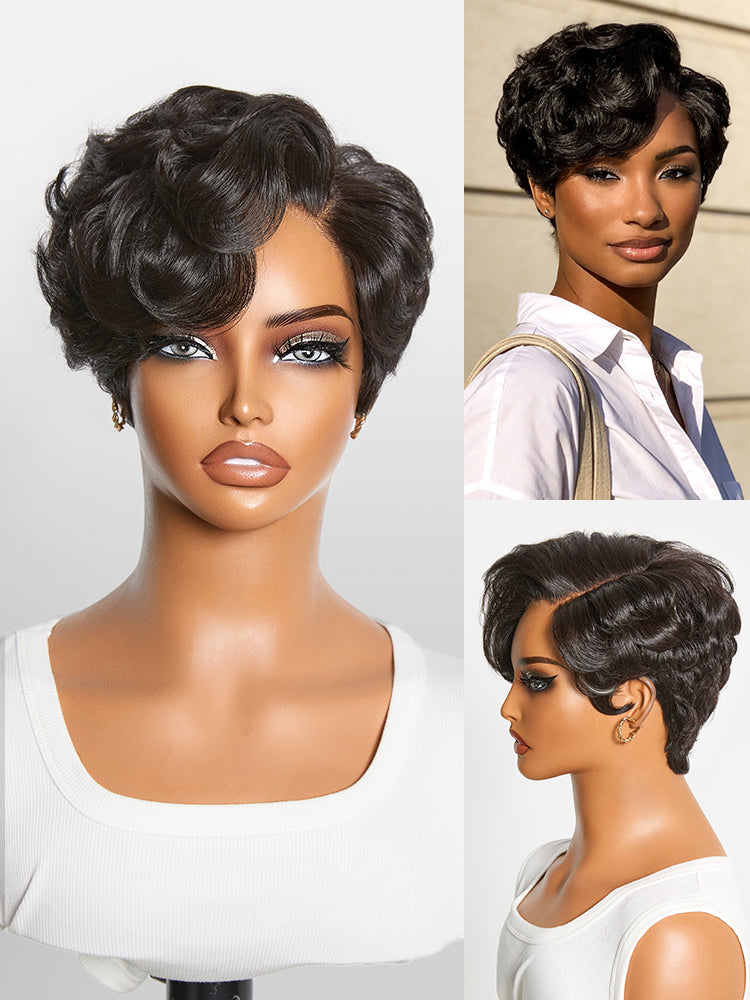
Lightweight Roll Curl Pixie Cut Wig
Best for: higher-movement workouts
The six-inch pixie length reduces loose hair movement and helps limit friction around the shoulders and nape.
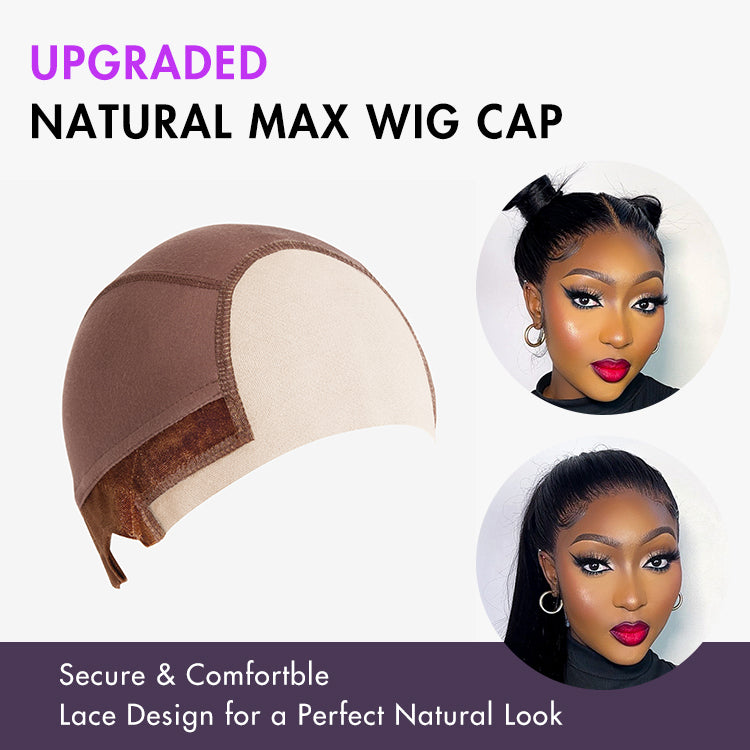
Upgraded Natural Max Wig Cap 2.0
Best for: added under-wig grip
The integrated grip-band design creates a flatter under-wig base and can add support when the complete setup remains comfortable.

Stretchy HD Breathable Wig Caps
Best for: a smooth, low-bulk foundation
The stretchy cap helps keep natural hair flatter beneath a lace wig and should be allowed to dry fully after a sweaty workout.
Conclusion
Working out in a wig can feel secure when the wig matches the activity. Flatten the hair underneath, position and adjust the cap correctly, control longer lengths, and test movement before exercising.
After the workout, give both your scalp and wig time to dry. Regular airing, gentle sweat removal, and targeted hair refreshing can help maintain a cleaner cap, smoother lace, and more manageable style.
FAQ About Working Out in a Wig
Can I run while wearing a lace front wig?
Yes, when the cap fits securely and passes a jogging and head-turn test. An optional non-slip base may help, but the lace should not be pulled painfully tight.
Do I need wig glue before going to the gym?
Not always. A correctly fitted glueless cap may be enough for many workouts. Do not use heavy adhesive to compensate for an incorrectly sized or poorly positioned cap.
How often should I wash my wig if I exercise regularly?
Base washing on odor, residue, sweat buildup, and how often the wig is worn. A slightly damp cap may only need complete air-drying, while persistent buildup requires washing.
Can I wear a wig under a bicycle helmet?
Only when the wig and natural-hair preparation do not interfere with the helmet’s correct fit. Use a low-bulk setup or remove the wig if the helmet becomes unstable or improperly positioned.


 + 1
+ 1
 + 1
+ 1
 + 44
+ 44