



Hair extensions and hair toppers are often mentioned together because both can make hair look fuller. However, they are not designed for the same need. Hair extensions usually add length and volume through the sides, back, or lower sections of the hair. Hair toppers focus more on coverage at the crown, top of the head, or part line.
If your main goal is longer or fuller hair, hair extensions are usually the better choice. If your main goal is to cover thinning hair around the crown or part line, hair toppers are usually more suitable.
What Are Hair Extensions?
Hair extensions are added hairpieces used to increase hair length, volume, thickness, or styling flexibility. They are attached to natural hair with clips, tape, sew-ins, wefts, micro-links, or other methods depending on the type of extension.
The most beginner-friendly option is usually clip-in hair extensions. They can be installed at home, removed at the end of the day, and reused when you want extra fullness. Extensions are ideal for users who already have enough natural hair to blend with the added pieces.
Pros of Hair Extensions
Cons of Hair Extensions
Hair extensions need natural hair to attach to and blend with. If your hair is very thin around the crown, extensions may add length but still leave the top looking sparse. Some extension methods also require more maintenance. Tape-ins, sew-ins, and micro-links may need salon installation and regular upkeep.
Another concern is tension. If extensions are too heavy or attached too tightly, they can pull on natural hair. For beginners, lightweight clip-ins are often easier to control because they can be removed quickly and repositioned as needed.
What Are Hair Toppers?
Hair toppers are partial hairpieces designed to cover thinning areas on the top of the head. They are often used for crown thinning, widening parts, flat top volume, or localized hair loss. Unlike full wigs, toppers do not cover the entire scalp. They sit over the thinning area and blend with the user’s natural hair.
A typical topper includes a base and built-in clips. The base creates coverage, while the clips attach to existing hair. This makes hair toppers a more targeted option for people who need scalp coverage rather than extra length.
Pros of Hair Toppers
Cons of Hair Toppers
Hair toppers also have limitations. Clip-in toppers need enough natural hair to hold the clips securely. If hair loss is extensive or the scalp is very sensitive, a topper may not feel stable or comfortable enough for daily wear.
Matching is also important. A topper that does not match your color, texture, density, or base size can look noticeable. Beginners may also need practice with placement, clipping, and blending before the topper looks fully natural.
Key Differences Between Hair Extensions and Hair Toppers
The key difference is purpose. Hair extensions are mainly for length and volume. Hair toppers are mainly for coverage and top fullness. The right choice depends on where you need help and what result you want.
| Feature | Hair Extensions | Hair Toppers |
|---|---|---|
| Main Purpose | Add length, fullness, and styling volume | Cover thinning areas and add top fullness |
| Coverage Area | Sides, back, lower sections, or all-over volume | Crown, part line, top of head, or localized thinning |
| Best For | Longer styles, fuller curls, waves, and ponytails | Thinning hair, widening parts, and crown volume loss |
| Attachment Methods | Clips, tape, sew-ins, wefts, micro-links, or bonding | Clips, combs, or topper base attachments |
| Scalp Coverage | Usually no direct scalp coverage | Yes, targeted scalp or top coverage |
| Natural Hair Needed | Yes, for attachment and blending | Yes, especially for clip-in toppers |
| Beginner-Friendly Choice | Clip-in extensions | Clip-in toppers |
Luvme Hair Extensions Top Picks
If your goal is instant length and volume instead of crown coverage, clip-in extensions are usually the easiest place to start. Below are Luvme Hair extension picks that highlight newer, lightweight, and seamless options for different textures.

A lightweight pick for relaxed, blown-out, or natural-texture blending.
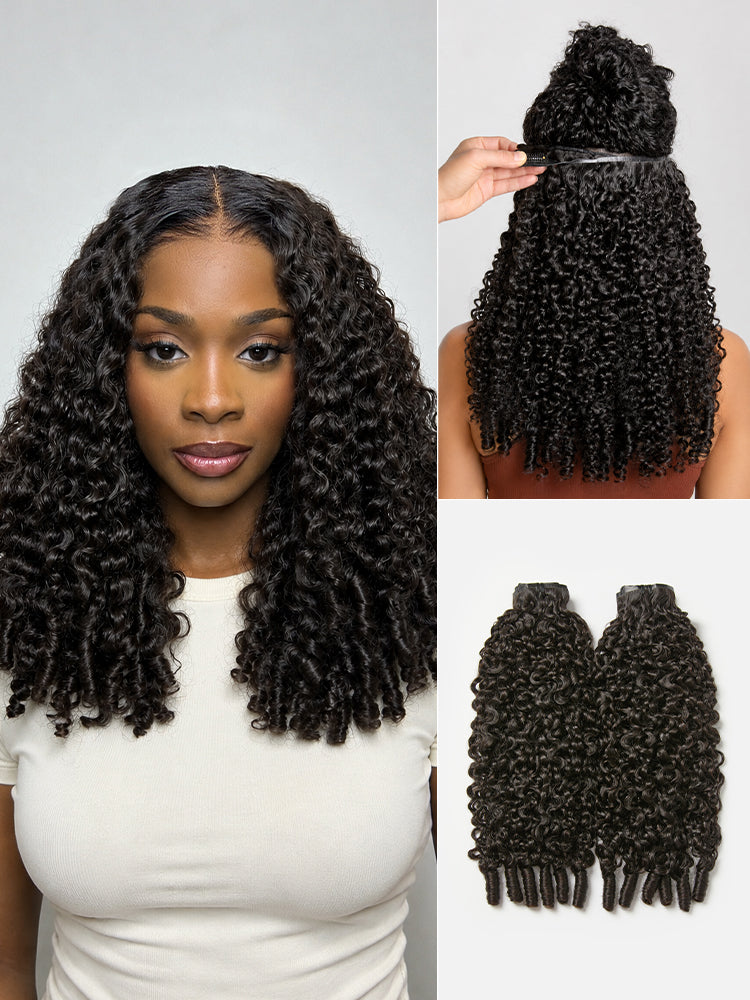
A curl-focused option for fuller textured styles and defined movement.
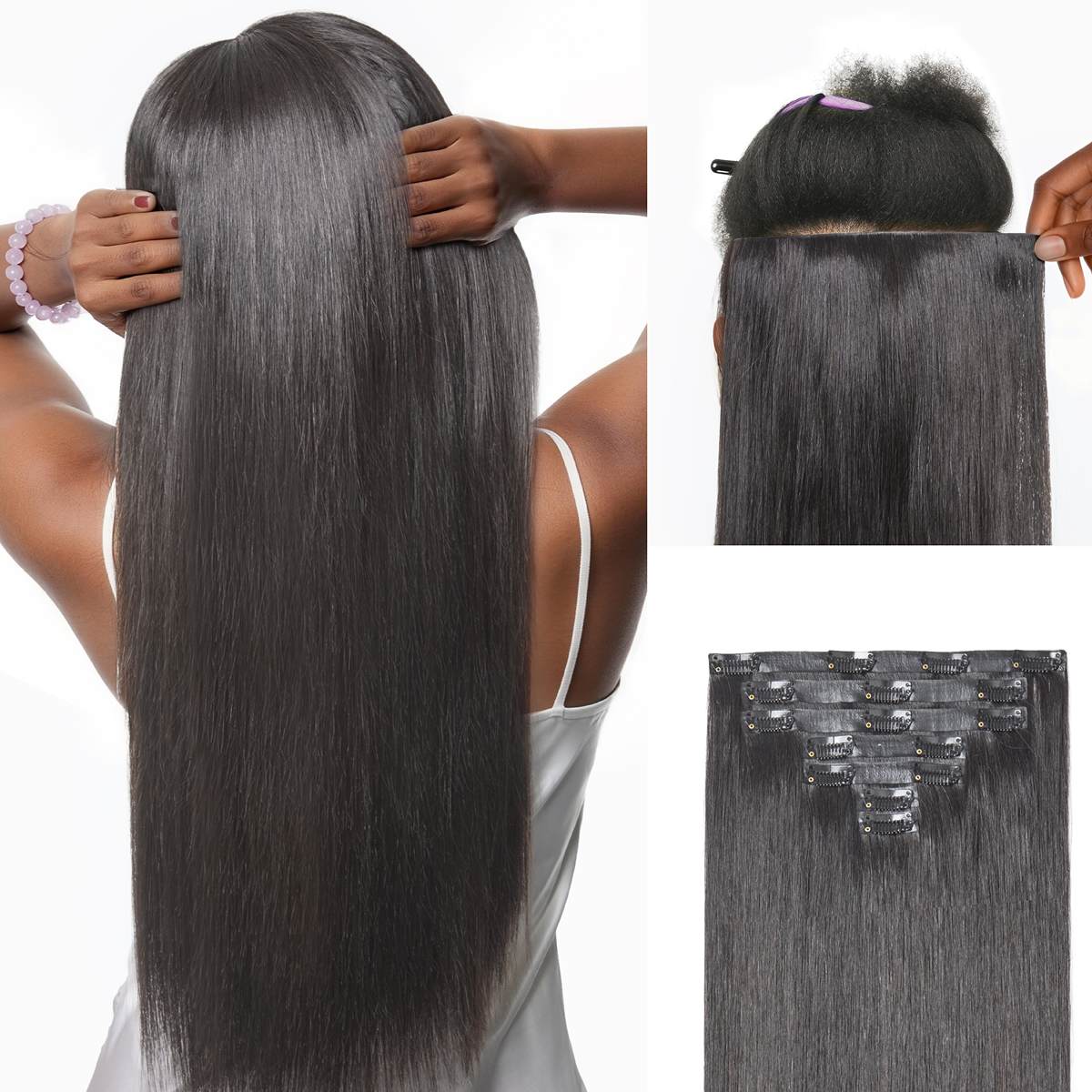
A sleek option for polished straight styles and smooth daily blending.
Hair Extensions vs Hair Toppers vs Alternatives
Hair extensions and toppers are not the only options. If you want a complete hairstyle change or full coverage, a wig may be better. If you only want a fuller ponytail, a ponytail extension may be enough. The best choice depends on your coverage level and styling goal.
| Option | Best For | Coverage Level | Beginner-Friendly? |
|---|---|---|---|
| Hair Extensions | Length, volume, curls, waves, and fuller styles | Low to medium coverage | Yes, especially clip-ins |
| Hair Toppers | Crown thinning, part line coverage, and top fullness | Medium targeted coverage | Yes, with practice |
| Full Wigs | Full coverage or complete hairstyle change | Full coverage | Medium |
| Lace Front Wigs | Natural-looking hairline and full transformation | Full coverage with lace hairline | Medium |
| Ponytail Extensions | Quick ponytail volume and length | Ponytail only | Yes |
| Half Wigs | Fast volume with some natural hair left out | Partial back or top coverage | Yes |
Final Thoughts
Hair extensions and hair toppers both help improve the appearance of hair, but they solve different problems. Hair extensions are best when you want longer hair, more fullness, and more styling flexibility. They are especially useful for people who want temporary length, soft volume, curls, waves, or glam looks without making a permanent change.
Hair toppers are better when your main concern is thinning at the crown, a widening part, or visible scalp at the top of the head. They provide targeted coverage instead of overall length. This makes them a strong choice for early to moderate thinning, especially if you still have enough natural hair for clips to hold securely.
If your goal is length, choose hair extensions. If your goal is crown coverage or thinning hair support, choose a hair topper. If you want full coverage or a completely new hairstyle, consider a wig as an alternative.


 + 1
+ 1
 + 1
+ 1
 + 44
+ 44