



A wig that feels too tight can make daily wear uncomfortable. It may press around your temples, leave marks near the hairline, slide backward, or make you feel like you need to take it off after only a short time. The good news is that some tight wigs can be adjusted safely at home.
To make a wig bigger, start with the safest fixes first: loosen the adjustable straps, stretch the cap gently, check tight bands or combs, flatten your natural hair base, use a comfort wig grip, or choose the right cap size for a bigger head.
What You Will Need For Making a Wig Bigger?
Before adjusting your wig, gather a few simple tools. You may not need all of them, but they can help you check the fit, reduce pressure, and avoid damaging the cap.
| Tool | Why You Need It |
|---|---|
| Wig stand or mannequin head | Helps stretch and reshape the cap gently while keeping the wig stable. |
| T-pins | Keeps the wig in place during light stretching. Avoid pinning through delicate lace. |
| Measuring tape | Helps check your head circumference before choosing or adjusting a wig. |
| Wide-tooth comb | Detangles the wig before trying it on or placing it on a stand. |
| Thin wig cap | Creates a smoother base and reduces bulk under the wig. |
| Wig grip or comfort band | Adds security without forcing the wig to feel tighter. |
Method One: Loosen the Adjustable Straps
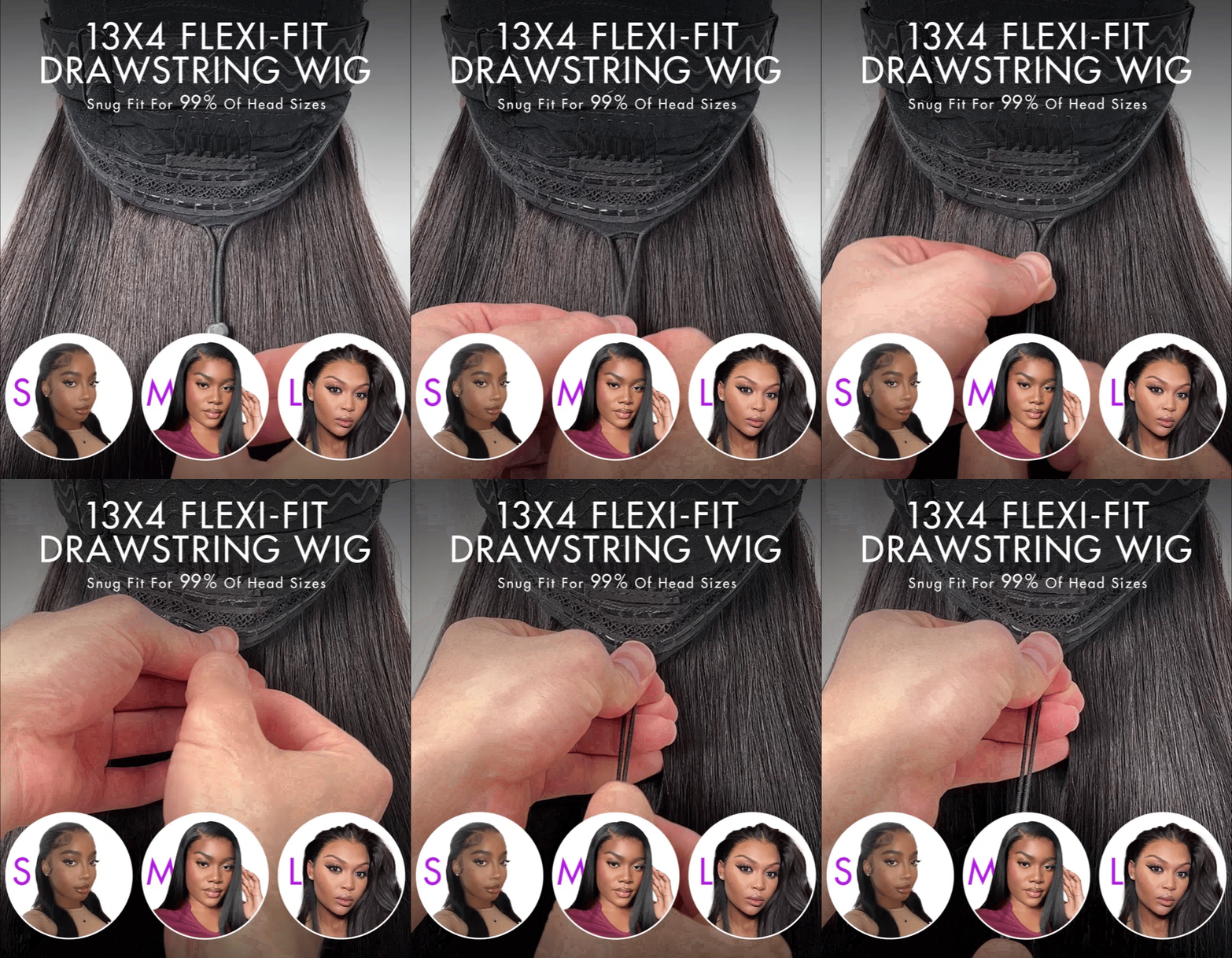
The easiest way to make a wig feel bigger is to loosen the adjustable straps inside the cap. Many wigs have hooks, elastic tabs, Velcro, or adjustable bands near the back. If these are pulled too tight, the wig can feel small even when the cap size is correct.
Step One: Turn the Wig Inside Out
Remove the wig and check the inside cap construction. Look for straps near the nape area and note how tightly they are connected.
Step Two: Loosen Gradually
Move the straps one setting looser at a time. Do not loosen everything at once, because the wig may become unstable or start sliding.
Step Three: Try the Wig On Again
Put the wig back on and check the forehead, temples, ears, and nape. The wig should feel secure, but it should not dig into your skin.
Step Four: Adjust the Hairline
After loosening the straps, reposition the hairline so it sits naturally. If the wig still feels tight, continue with the next method instead of forcing the straps.
Method Two: Stretch the Wig Cap Gently
If the wig cap is only slightly tight, gentle stretching may help. This method works best for minor tightness, not for a wig that is much smaller than your head size.
Place the wig on a wig stand or mannequin head that is close to your head size. Secure the cap gently with T-pins around stronger cap areas, not through delicate lace. Let the wig sit for several hours or overnight.
Avoid overstretching. Lace, elastic, and seams can lose shape or tear if pulled too aggressively. After stretching, try the wig on and check whether the pressure around the temples and nape has improved.
Method Three: Check the Elastic Band, Combs, and Clips
Sometimes the cap is not the real problem. Tight elastic bands, built-in combs, clips, or bobby pins can create pressure points that make the wig feel too small.
Check whether the elastic band is pulling too strongly. If it is adjustable, loosen it slightly. If combs press into your scalp, reposition them or avoid using them near sensitive areas. Clips should anchor the wig gently, not pull at your natural hair or edges.
Method Four: Create a Flatter Base Under the Wig

A wig can feel tight if the hair underneath is too bulky. Thick braids, high ponytails, uneven twists, or stacked wig caps can take up space inside the cap and make the wig feel smaller.
Create a flatter base by braiding or wrapping your natural hair close to the scalp. Use a thin, breathable wig cap and smooth the crown and nape before putting the wig on. A flatter base gives the wig more room and helps it sit more securely.
This method is especially helpful if the wig feels tighter on wash days, after a fresh braid-down, or when your natural hair is not evenly distributed underneath.
Method Five: Use a Wig Grip or Comfort Band
A wig grip can help you keep the wig secure without making the cap tighter. This is useful when you loosen the straps for comfort but still want the wig to stay in place.
Place the wig grip around your head, adjust it so it feels snug but not tight, and then put the wig over it. The grip creates friction and can reduce slipping without glue, pins, or over-tightened straps.
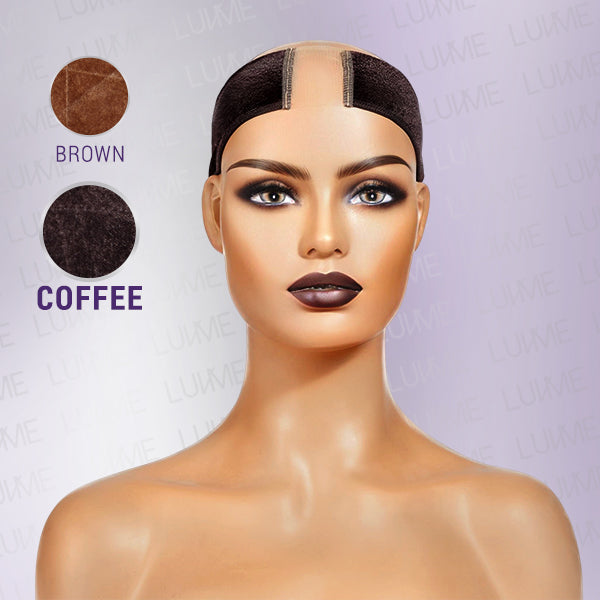
A beginner-friendly option for anyone who wants a more secure wig fit without glue, tight combs, or pulling straps too firmly.
Method Six: Choose the Right Cap Size for a Big Head
If your wig feels tight after every adjustment, the cap may simply be too small. In that case, stretching can only help a little. The better solution is to measure your head and choose a wig with a more flexible or larger-cap-friendly design.
Use a measuring tape to check your head circumference, front hairline to nape, ear-to-ear distance, and temple-to-temple width. Compare these measurements with the wig size guide before buying.
For bigger head sizes, look for adjustable straps, elastic bands, drawstring caps, glueless construction, or comfort-focused cap designs. These features can help the wig fit more naturally without needing heavy stretching or tight clips.
Final Thoughts
Making a wig bigger starts with understanding where the tightness comes from. Sometimes the fix is simple, such as loosening the adjustable straps or flattening your natural hair base. Other times, the elastic band, combs, clips, or cap size may be the real issue.
Start with the gentlest methods first and avoid forcing the wig to stretch too much. If the wig still causes headaches, red marks, or pressure after adjustments, it may not be the right cap size for you. Choosing a better-fitting, adjustable, or comfort-focused wig can be the safest long-term solution.


 + 1
+ 1
 + 1
+ 1
 + 44
+ 44