

A frizzy human hair wig can look dry, rough, puffy, or difficult to style, but in many cases, the wig can be improved with the right care routine. Because human hair wigs are made with real hair, they need moisture, gentle detangling, proper washing, and careful storage to stay smooth and soft.
Whether your wig is frizzy from dryness, humidity, product buildup, heat styling, or daily wear, the goal is to restore moisture and reduce friction without causing more breakage. This guide explains why human hair wigs get frizzy, how to identify the level of damage, and how to restore a frizzy wig step by step.
To restore a frizzy human hair wig, gently detangle it first, wash with lukewarm water and a wig-friendly shampoo, deep condition the mid-lengths and ends, air dry without rubbing, then finish with a lightweight leave-in conditioner, serum, or oil on the ends.
Why Does a Human Hair Wig Get Frizzy?
A human hair wig can become frizzy when the hair loses moisture, experiences too much friction, or becomes damaged from heat and harsh products. Unlike natural hair growing from the scalp, a wig does not receive fresh scalp oils, so it needs consistent moisture and gentle handling to stay smooth.
Frizz can also happen more easily on textured wigs, such as curly wigs or water wave styles, because the curl pattern naturally needs more moisture and less brushing. Lace designs, including lace front wigs, also need careful handling around the hairline so the lace and front pieces stay neat.
- Lack of moisture: Dry hair fibers can look rough, dull, and puffy.
- Heat damage: Too much flat ironing or curling can make the hair stiff and frizzy.
- Improper washing: Harsh shampoo, hot water, or over-washing can strip moisture.
- Humidity: Moisture in the air can make the hair swell and lose smoothness.
- Over-brushing: Rough brushing can create flyaways, split ends, and breakage.
- Poor storage: Tossing the wig into a bag or drawer can create tangles and friction.
Frizz Cause and Best Fix Chart
Before trying to fix a frizzy wig, it helps to identify what type of frizz you are dealing with. Use this chart to match the most likely cause with the best repair method.
| Frizz Cause | What It Looks Like | Best Fix |
|---|---|---|
| Dryness | Hair feels rough, dull, or hard to smooth. | Deep condition and use a lightweight leave-in conditioner. |
| Heat damage | Ends look stiff, uneven, or overly dry. | Reduce heat, use heat protectant, and apply serum to the ends. |
| Over-washing | Wig feels dry shortly after washing. | Wash less often and use a moisturizing conditioner each time. |
| Humidity | Hair becomes puffy outdoors or loses definition. | Use a small amount of anti-frizz product and avoid over-brushing. |
| Over-brushing | Hair becomes fluffy, broken, or tangled at the ends. | Detangle from the ends upward with a wide-tooth comb. |
Is Your Wig Lightly Frizzy or Severely Damaged?
Not all frizz is the same. A lightly frizzy wig may only need moisture and smoothing, while a severely damaged wig may need deeper care and more realistic expectations.
How to Restore a Frizzy Human Hair Wig Step by Step
Step 1: Detangle Before Washing
Always detangle the wig before washing. Use your fingers or a wide-tooth comb and start from the ends, then slowly work upward. Do not pull through knots from the roots, because this can cause shedding and breakage.
If the wig is very tangled, apply a small amount of detangling spray or leave-in conditioner before combing. This is especially helpful for curly, water wave, or longer human hair wigs.
Washing Tips for Frizzy Wigs
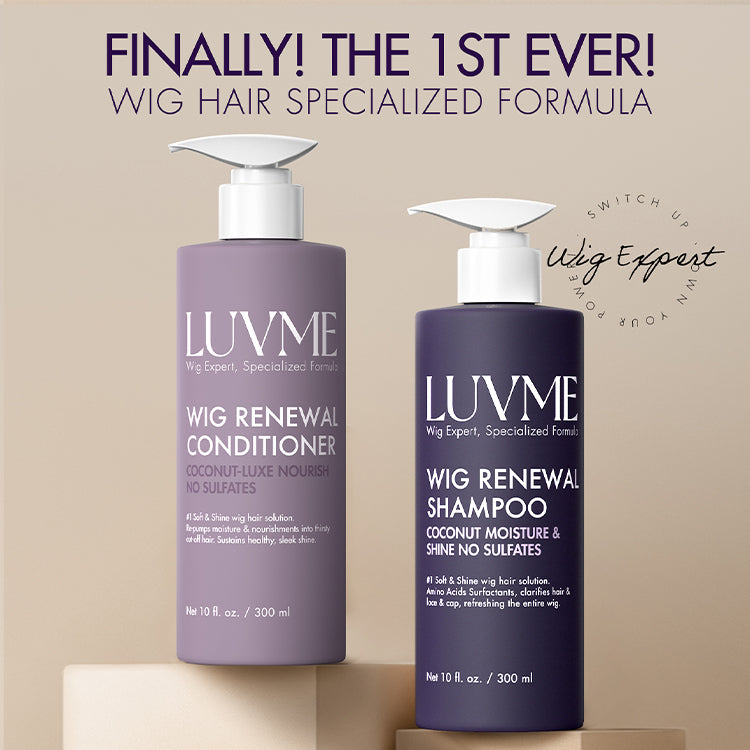
Wash the wig with lukewarm water and a gentle wig-friendly shampoo. Hot water can dry out the hair and make frizz worse. Work the shampoo through the hair in a downward motion instead of rubbing, twisting, or scrubbing the strands.
Rinse thoroughly so no shampoo residue remains. Product buildup can make a human hair wig feel stiff, dull, and harder to style. If the wig has heavy buildup from oils, sprays, or outdoor wear, a dedicated wig renewal shampoo and conditioner set can help refresh the hair without making the routine complicated.
Conditioning Techniques

Conditioning is the most important step for restoring softness. Apply a moisturizing conditioner or hair mask from the mid-lengths to the ends, where frizz and dryness are usually most visible. Avoid applying too much conditioner near the roots or cap area, because buildup can make the wig feel heavy.
After rinsing, you can use a light leave-in conditioner to help reduce flyaways and improve manageability. This is especially helpful when the wig feels dry after washing or when the ends need extra softness.
Dry Without Rubbing
After rinsing, gently squeeze out excess water. Do not rub the wig with a regular towel, because friction can create more frizz. Use a microfiber towel or soft cotton T-shirt to blot the hair.
Let the wig air dry on a wig stand whenever possible. Air drying helps preserve the hair texture and reduces the risk of heat damage.
Finishing Touches: Oils & Serums

Once the wig is damp or fully dry, apply a small amount of lightweight serum or oil to the mid-lengths and ends. This helps smooth flyaways, add shine, and make the wig look more polished.
Use only a small amount. Too much oil can weigh the hair down or make the wig look greasy, especially on straight or silky textures. If you also care for your natural scalp under the wig, use scalp oils carefully and avoid applying heavy product directly onto lace, knots, or the wig cap.
Use Low Heat Only If Needed
Heat can smooth the hair temporarily, but too much heat can create more dryness over time. If you need to use a flat iron, curling wand, or blow dryer, apply heat protectant first and keep the tool on a low to medium setting.
For textured wigs, such as water wave wigs, avoid using heat too often because it can loosen or damage the pattern. Finger-shaping, light misting, or curl refresher is usually a better choice.
Storage and Daily Care

Proper storage helps prevent frizz from coming back. Keep the wig on a wig stand or mannequin head when possible, and store it away from direct sunlight and humidity. If you need to travel with it, use a satin bag, silk scarf, or wig storage bag to reduce friction.
If you wear glueless wigs daily, remove the wig at night when possible and store it neatly. This gives the wig time to air out and helps the hair stay smoother longer.
Do’s and Don’ts for Frizzy Human Hair Wigs
Small habits can make a big difference in how smooth your human hair wig looks. Follow these do’s and don’ts to avoid making frizz worse.
| Do | Don’t |
|---|---|
| Use lukewarm water when washing. | Use hot water, which can dry out the hair. |
| Detangle from the ends upward. | Brush aggressively from roots to ends. |
| Deep condition when the wig feels dry. | Skip conditioner after shampooing. |
| Air dry whenever possible. | Use high heat every day. |
| Store the wig on a stand or in a satin bag. | Throw the wig into a drawer or tight bag. |
| Use lightweight serum on the ends. | Apply heavy oil near the roots or cap. |
How to Prevent Your Human Hair Wig from Getting Frizzy Again
After restoring your wig, the next goal is prevention. A consistent routine can help your wig stay smoother, softer, and easier to manage.
If your wig is naturally curly, wavy, or textured, treat the pattern gently. A little frizz can be normal on textured hair, but proper moisture and careful detangling can keep the style defined and wearable.
Final Thoughts
Most frizzy human hair wigs can look softer, smoother, and easier to manage again with gentle detangling, wig-friendly shampoo, deep conditioning, careful drying, and lightweight finishing products. The key is to restore moisture without creating more friction or heat damage.
If the frizz comes from dryness or product buildup, the wig can often improve quickly. If the hair has severe heat damage or breakage, the goal is to improve the appearance and manageability rather than fully reverse the damage. Treat your wig gently, store it properly, and build a simple routine that keeps it smooth over time.
FAQ
How often should I deep condition a human hair wig?
Deep conditioning once every few washes is usually enough for regular wear. If the wig feels dry, dull, or rough at the ends, you can deep condition more often until the hair feels softer.
Can I use regular conditioner on a human hair wig?
Yes, but choose a moisturizing conditioner that is gentle and not too heavy. Avoid products that leave thick buildup, especially near the roots or cap area.
Why does my wig get frizzy after washing?
This can happen if the water is too hot, the shampoo is too harsh, the hair is rubbed with a towel, or conditioner is skipped. Drying method matters just as much as washing method.
What should I do if only the ends of my wig are frizzy?
Focus care on the ends. Apply conditioner, mask, or serum mainly from the mid-lengths down, and trim the ends if they are permanently rough or split.
Can humidity make a human hair wig frizzy?
Yes. Humidity can make human hair swell and lose smoothness. A lightweight anti-frizz product and gentle styling can help keep the wig more controlled.
Should I sleep in my human hair wig?
It is better to remove the wig before sleeping when possible. Sleeping in a wig creates friction, tangles, and frizz, especially around the nape and ends.





 + 1
+ 1
 + 1
+ 1
 + 44
+ 44