



Synthetic wigs are convenient, affordable, and easy to change for different looks, but they can tangle more easily than human hair wigs. Friction, dryness, product buildup, and poor storage can make synthetic fibers knot, frizz, or feel rough, especially around the nape area.
Although Luvme Hair focuses mainly on human hair wigs, many wig wearers also keep synthetic wigs for quick styling or occasional wear. This guide explains how to detangle a synthetic wig safely, what tools to use, how to prevent future tangles, and when a human hair wig may be a better long-term option.
Why Synthetic Wigs Get Tangled
Synthetic wig fibers are more sensitive to friction than natural hair. The nape area often tangles first because it rubs against your neck, collar, scarf, or coat. Longer synthetic wigs can also tangle faster because the fibers move more throughout the day.
Other common causes include sleeping in the wig, brushing too aggressively, using heavy products, storing the wig in a bag while tangled, or washing it with hot water. Once synthetic fibers become rough or frizzy, they can catch on each other and create bigger knots.
Tools You Need to Detangle a Synthetic Wig
The right tools help reduce pulling and protect the wig fibers. Avoid using regular brushes or heavy oils unless they are safe for synthetic hair.
| Tool | Why You Need It |
|---|---|
| Wide-tooth comb | Gently separates fibers without pulling too hard |
| Synthetic wig detangling spray | Adds slip and helps loosen knots |
| Spray bottle with cool water | Softens tangled areas before combing |
| Hair clips | Keeps sections organized while you work |
| Wig stand | Holds the wig steady and keeps the shape |
| Small scissors | Only for severe knots that cannot be loosened gently |
How to Detangle a Synthetic Wig Step by Step
Step 1: Place the Wig on a Stand
Put the wig on a wig stand or mannequin head before detangling. This keeps the cap stable and makes it easier to work through the hair without pulling from the base.

Step 2: Divide the Wig into Sections
Use clips to divide the wig into small sections. Start near the bottom or nape area, where tangles are usually the worst. Smaller sections make the process gentler and more controlled.

Step 3: Apply Synthetic Wig Detangling Spray
Lightly mist each section with a synthetic wig-safe detangling spray. The goal is to add slip, not soak the wig. If you do not have a spray, use a small amount of cool water to soften the fibers before combing.

Step 4: Comb from the Ends Upward
Hold the hair above the tangle to reduce tension on the cap. Start at the ends and use short, gentle downward strokes. Move upward only after the lower section is smooth. Never start combing from the roots.

Step 5: Trim Severe Knots Only as a Last Resort
If a knot cannot be loosened after spraying and gentle combing, use small scissors to trim only the tangled fibers. Avoid cutting large sections. If the wig is badly matted, it may be safer to ask a stylist for help.

Step 6: Let the Wig Air-Dry and Store Properly
If the wig is damp after detangling, let it air-dry fully on a stand before wearing or storing. Do not rub or wring the fibers. Once dry, store the wig in a way that prevents crushing and friction.

How to Prevent a Synthetic Wig from Tangling
Preventing tangles is easier than removing them. A few small habits can help keep your synthetic wig smoother for longer.
- Lightly detangle the wig before and after wearing.
- Store the wig on a stand instead of leaving it in a drawer.
- Use cool water and gentle products when washing.
- Let the wig air-dry naturally after washing or misting.
- Remove the wig before sleeping whenever possible.
- Use a silk or satin scarf if you need to reduce friction during travel.
If you like changing synthetic wig styles without heat, you can also read this guide on heatless ways to curl a synthetic wig.
Common Mistakes to Avoid
Brushing from the Roots
Starting at the roots can tighten knots and pull on the cap. Always begin at the ends.
Using Heavy Oils
Heavy oils can make synthetic fibers sticky, coated, or more likely to clump together.
Using Hot Tools Incorrectly
Only use heat if the wig is labeled heat-resistant, and always choose the lowest safe temperature.
Storing While Tangled
Putting a tangled wig into a bag or drawer can make knots tighter and harder to remove later.
When to Consider a Human Hair Wig Instead
Synthetic wigs are useful for convenience and style variety, but they can become harder to manage if they tangle often, feel rough, or lose their original shape. If you want softer movement, more styling flexibility, and a more natural feel with proper care, a human hair wig may be a better long-term choice.
The options below are Luvme human hair wigs selected for different needs, from short beginner-friendly styles to curls, waves, bangs, and larger lace areas.
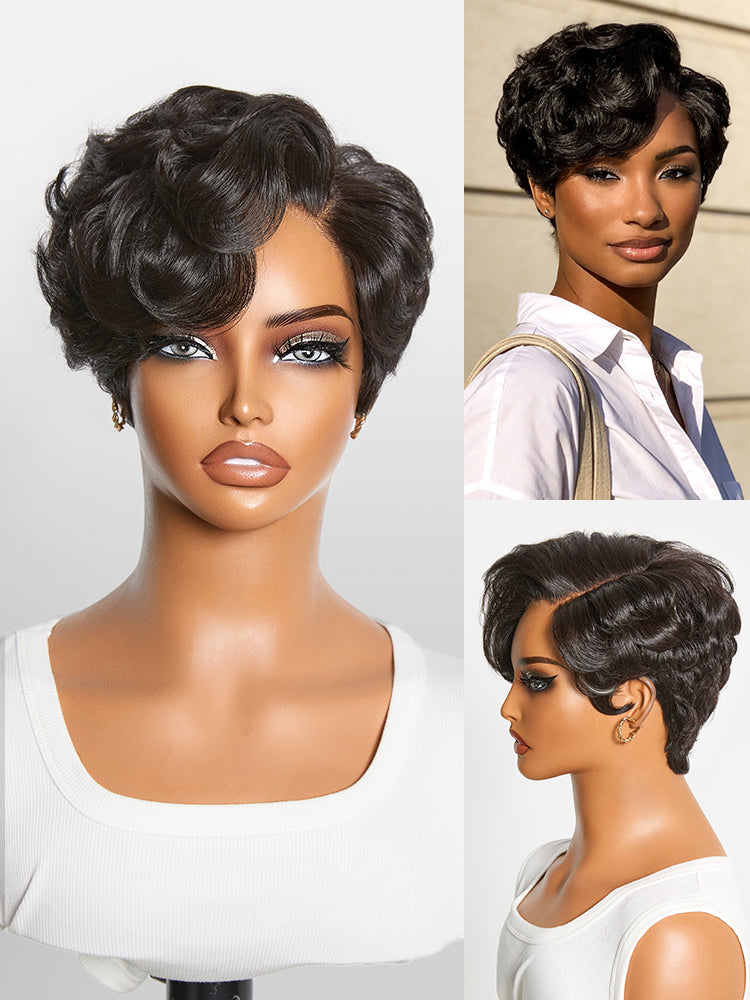
Beginner Friendly Natural Black Lightweight Roll Curl Glueless Minimalist HD Lace Short Pixie Cut Wig
A lightweight pixie option for users who want a shorter human hair wig with easy daily wear.
View Product
Put On and Go Brown Highlight / Natural Black Layered Cut Yaki Straight Minimalist Lace Bob Wig with Bangs
A bob-with-bangs option for users who want a polished everyday look with less styling effort.
View Product
PreMax Water Wave Glueless Flexi-Fit Invisible Drawstring 13x4 Frontal Lace Fluffy Curly Wig
A fuller curly option for users who want volume, movement, and a more natural human hair texture.
View Product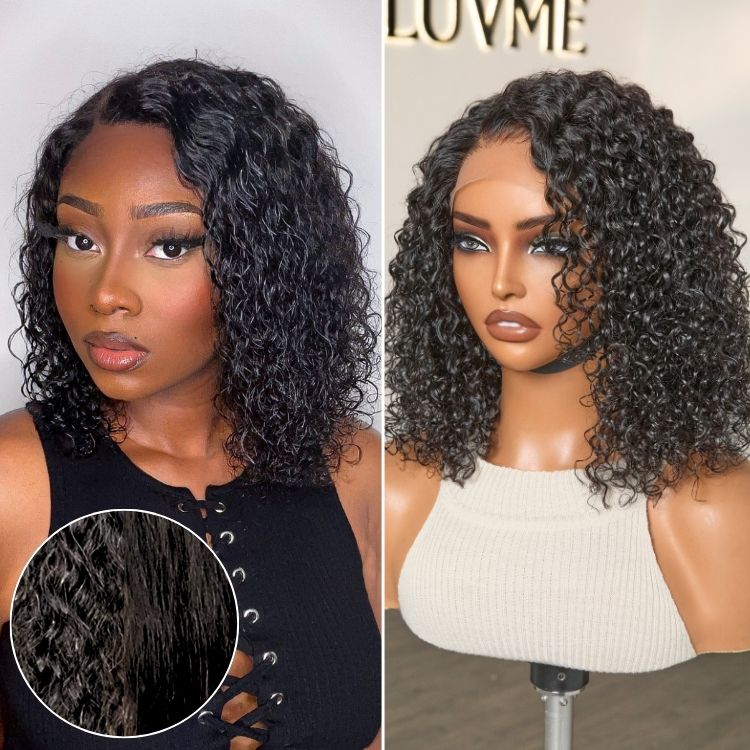
Wet and Wavy Natural Side Part 4x4 Lace Closure Wig
A soft wet and wavy style for users who want movement without a tight curl pattern.
View Product
Natural Black / Brown Highlight Water Wave Pixie Cut Glueless Minimalist HD Lace Short Curly Wig
A short curly human hair wig for users who like volume but want an easy-to-manage length.
View Product
Luvme All-Day Comfort™ Wig Glueless 7x6 Closure HD Lace Loose Body Wave Long Wig Pre-Cut Lace
A long loose body wave option for users who want a soft wave pattern and more parting flexibility.
View ProductFAQ About Detangling Synthetic Wigs
Can I use fabric softener to detangle a synthetic wig?
Some people use diluted fabric softener, but it may cause buildup or affect the fibers. A synthetic wig-safe detangling spray is usually a safer choice.
How often should I detangle a synthetic wig?
Lightly detangle before and after each wear. Do a deeper detangling session when the wig starts to feel rough, frizzy, or knotted.
Can I use heat to smooth a tangled synthetic wig?
Only use heat if the wig is labeled heat-resistant. Regular synthetic fibers can melt or become damaged when exposed to high heat.
Conclusion
Detangling a synthetic wig requires patience, the right products, and gentle technique. Work in small sections, add slip with a synthetic wig-safe spray, comb from the ends upward, and avoid pulling or brushing aggressively from the roots.
With consistent care, your synthetic wig can stay smoother and easier to wear. If tangling becomes a frequent problem or you want more natural movement and styling flexibility, a human hair wig may be a better option for everyday use.


 + 1
+ 1
 + 1
+ 1
 + 44
+ 44