



A quality wig is not just a wig that looks good in product photos. A truly good wig should look natural up close, feel comfortable on your scalp, fit securely, and hold up through regular wear. If you are shopping for human hair wigs, the details matter more than the headline price.
This no-BS guide explains how to identify a quality wig by checking the fiber, cap construction, density, knots, hairline, parting, color work, and styling versatility before you buy.
The best way to identify a quality wig is to look beyond the product photo and check the details that make the wig wearable in real life: fiber, cap, lace, knots, density, hairline, and styling flexibility.
What Makes a Wig High Quality?
A high quality wig should combine natural appearance, comfort, and durability. The hair should move softly, the cap should sit flat, and the hairline should not look overly dense or harsh. Good construction also helps the wig feel secure without looking bulky.
Look for realistic density, clean knots, a soft front hairline, flexible parting, low shedding, low tangling, and a cap that matches your wear needs. A quality wig should not only look good when new; it should still feel manageable after washing, styling, and daily wear.
Human Hair vs Synthetic: Know Your Fiber

Fiber is one of the biggest quality checks. Human hair usually offers the most natural movement and styling flexibility. You can wash, curl, straighten, and restyle it with proper care. Synthetic wigs can be convenient for preset looks, but they often have less heat flexibility and may look shinier or stiffer.
| Wig Type | Best For | Main Advantage | Limit |
|---|---|---|---|
| Human hair wig | Natural look and flexible styling | Can be washed, curled, straightened, and restyled | Needs regular care |
| Synthetic wig | Quick ready-made style | Holds preset shape well | Limited heat styling |
| Heat-friendly synthetic | Occasional heat styling | More flexible than standard synthetic | Still needs careful handling |
Wig Cap Construction: Where Comfort Meets Realness
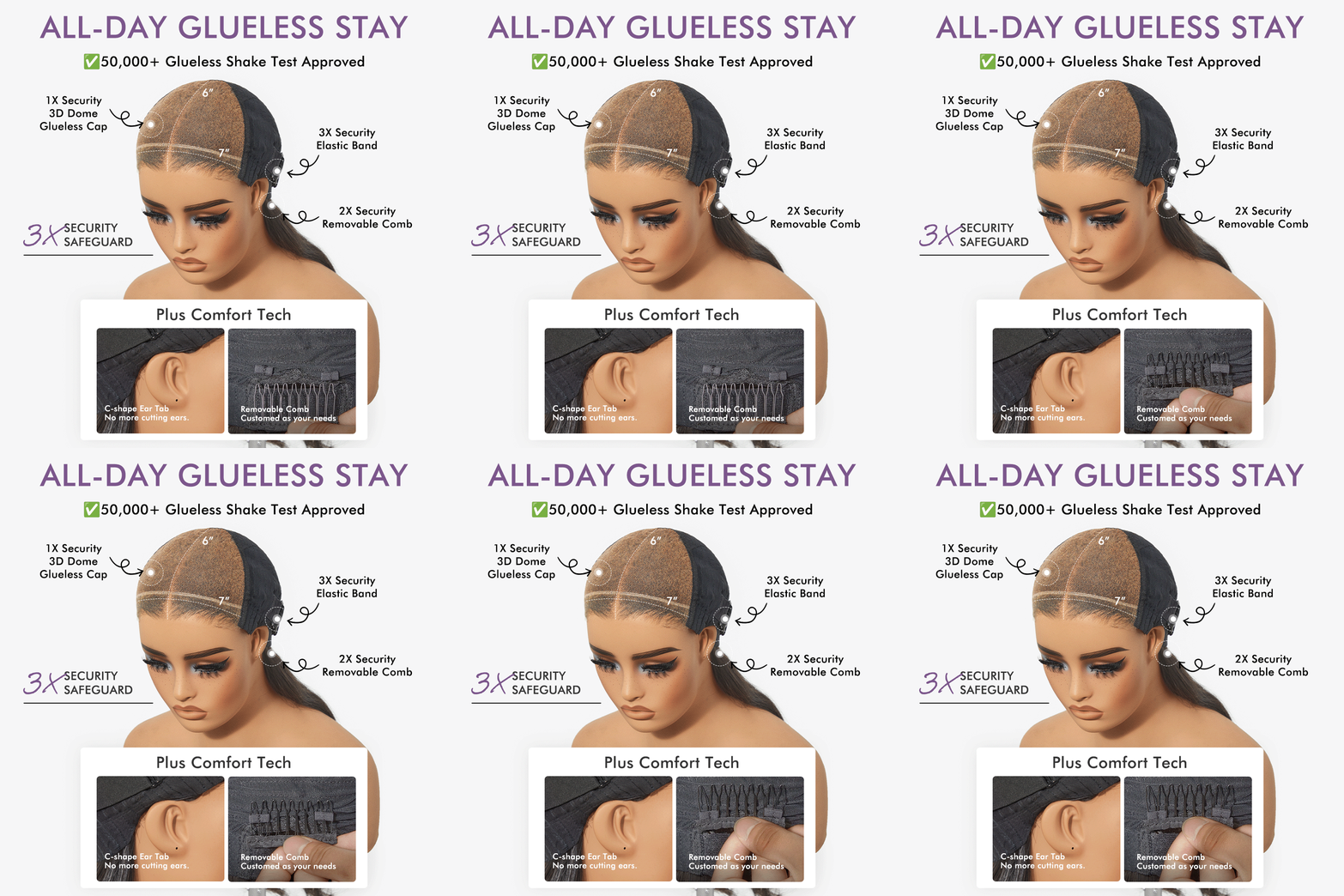
Cap construction affects comfort, breathability, fit, and realism. A good cap should feel secure without squeezing your head. It should also help the wig lie flat so the style looks natural from the front, top, and sides.
For daily wear, glueless wigs with adjustable straps, elastic bands, or secure cap designs can be easier to wear than traditional glue-down installs.
Density & Thickness: Less Is More Sometimes

More hair does not always mean better quality. A wig that is too thick can look bulky or fake, especially around the hairline and crown. Medium density often gives the best balance of fullness and realism for everyday wear.
| Density Look | Best For | Watch Out For |
|---|---|---|
| Light density | Natural daily looks | May feel too thin for glam styles |
| Medium density | Most everyday wigs | Best balance of fullness and realism |
| High density | Long, curly, or bold looks | Can look bulky if not styled well |
Knots & Bleaching: The Devil’s in the Details

Knots are where the hair is tied into the lace. Large, dark knots can make the lace area look less realistic, especially around the parting and front hairline. Small knots or pre-bleached knots help the lace look more scalp-like.
Over-bleached knots can weaken the hair, so the goal is balance: knots that look clean without making the lace fragile. When checking a lace wig, zoom in on the parting and hairline. If the knots look too dark, too large, or uneven, the wig may not look natural up close.
Hairline & Parting: The Tell of a Fake
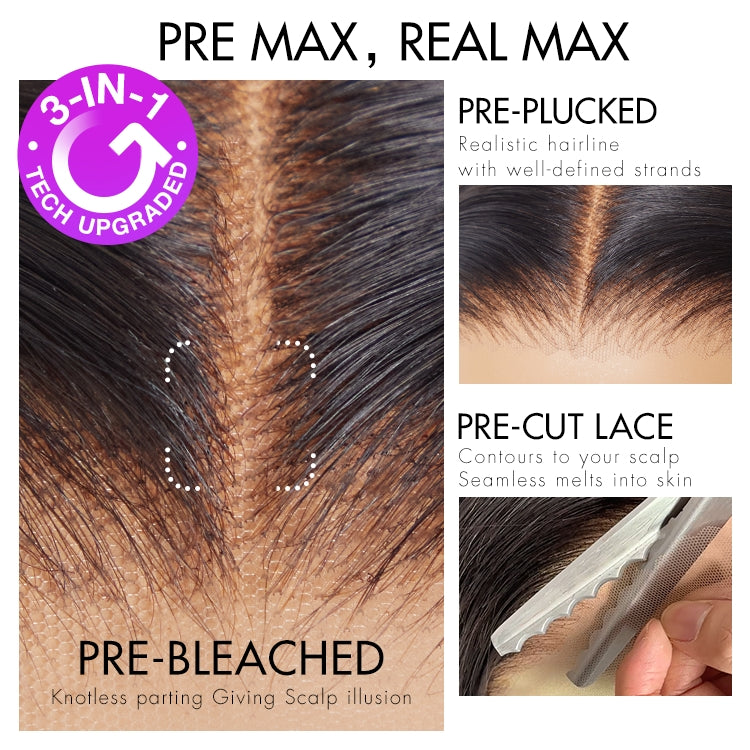
The hairline is often the easiest place to spot a low-quality wig. A natural hairline should not look too dense, too straight, or too perfect. Pre-plucked hairlines create a softer transition, while subtle baby hairs can help the front look more realistic.
Parting space also matters. A quality lace wig should have a clean, believable part that does not look thick, shiny, or fake. Lace front wigs are a strong choice if you want a realistic front hairline and more styling freedom around the face.
Color & Style Versatility Matters
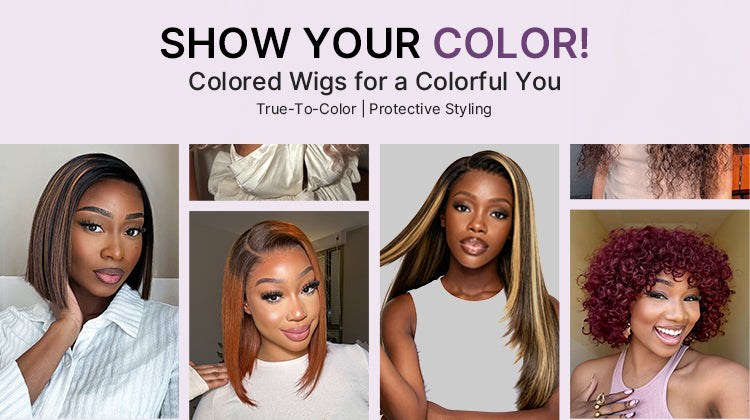
A quality wig should also support your style goals. Good color work should look dimensional, not flat or patchy. Highlights should blend smoothly, and the hair should still feel soft after color processing.
Human hair wigs usually offer more styling versatility because you can refresh curls, straighten the hair, add waves, or change the part with proper heat protection. Whether you choose straight, body wave, loose wave, curly, black, brown, or highlighted styles, the wig should stay manageable without excessive shedding or tangling.
How to Identify a Quality Wig Before You Buy
Before buying, use this checklist to judge whether the wig is worth it. Product photos can help, but the construction details tell you much more about real quality.
| Quality Check | What to Look For | Red Flag |
|---|---|---|
| Fiber | Soft movement and natural shine | Plastic-like shine or stiffness |
| Cap | Flat, secure, breathable fit | Bulky or itchy construction |
| Lace | Thin and blendable | Thick, shiny, or visible lace |
| Knots | Small or bleached knots | Large dark knots |
| Hairline | Pre-plucked and soft | Dense, straight hairline |
| Density | Natural fullness | Too thin or too bulky |
| Parting | Scalp-like appearance | Fake or limited parting |
| Styling | Flexible and manageable | Tangles or sheds quickly |
Some High Quality Human Hair Wigs for You
Here are a few Luvme Hair human hair wigs that match the quality points above: realistic lace, beginner-friendly cap design, natural density, flexible parting, and wearable textures.


Final Thoughts
A quality wig is not defined by one single feature. It is the result of good fiber, comfortable cap construction, realistic density, clean knots, natural-looking lace, believable parting, and flexible styling.
If you want the most wearable result, check the details before you buy. Human hair wigs are often a strong choice for long-term styling freedom, while cap design and lace details determine how natural the wig looks up close. The better you understand these details, the easier it becomes to choose a wig that fits your lifestyle and looks real in everyday wear.


 + 1
+ 1
 + 1
+ 1
 + 44
+ 44