



Wig glue can help keep a lace front wig secure, but removing it the wrong way may damage the lace, pull hair from the wig, or irritate your skin. The safest way to remove wig glue is to soften the adhesive first, then lift or wipe it away gently.
What Can I Use to Remove Lace Wig Glue?
The best product depends on where the glue is: skin, lace, or wig hair. For lace areas, a wig-safe remover is usually the most beginner-friendly option. For skin residue, oil-based removers, Vaseline, or rubbing alcohol may help, but they should be used carefully.
| Method | Best For | Safety Note |
|---|---|---|
| Wig Glue Remover | Lace adhesive and residue | Best first choice for beginners |
| Rubbing Alcohol | Small glue residue on skin | Can be drying; avoid irritated skin |
| Warm Water Mixture | Light glue and gentle softening | Slow but mild |
| Acetone | Stubborn adhesive residue | Use as a last resort and test first |
| Vaseline or Emollient Oil | Softening glue on skin | Gentle but can leave oily residue |
| Cream or Oil-Based Remover | Sensitive removal around hairline | Clean thoroughly after use |
How to Remove Wig Glue Safely and Quickly
Removing glue safely is about patience, not force. Apply your remover to the glued area, wait for the adhesive to soften, then gently lift the lace or wipe away residue. If the glue does not move easily, apply more remover and wait longer.
Basic Removal Steps
- Secure the wig or lace area gently.
- Apply remover or softening product to the glued area.
- Wait several minutes for the glue to loosen.
- Lift the lace slowly or wipe residue with a cotton pad.
- Repeat if the glue still feels sticky.
- Clean the lace and skin after removal.
- Let the lace dry fully before storing or reinstalling.
1. Wig Glue Remover
A wig glue remover is usually the best first choice because it is made to soften lace wig adhesive. It helps reduce pulling and makes removal easier for beginners.
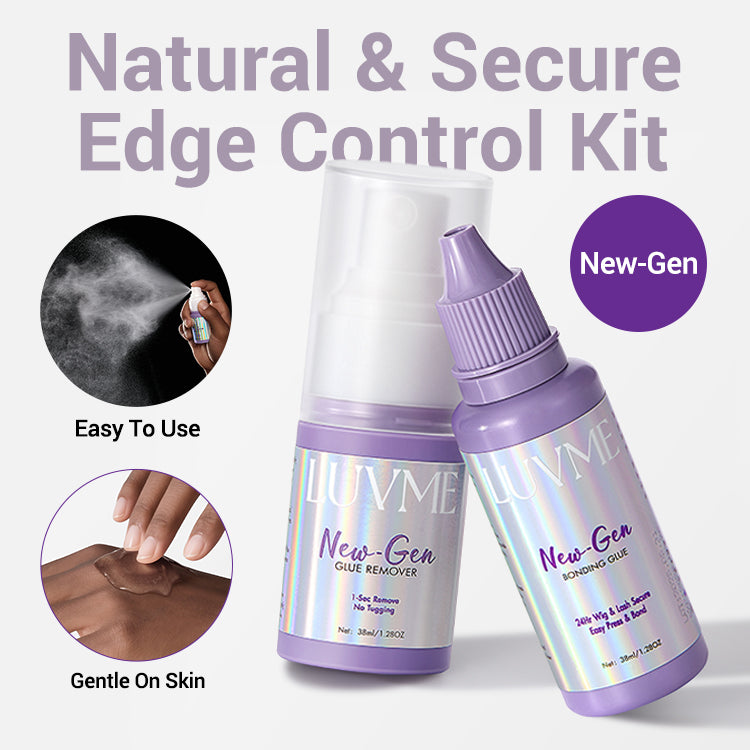
LUVME Upgraded 2.0 Lace Wig Glue & Remover Kit
Use a lace wig glue remover when you want a product designed for adhesive removal. Apply it along the glued area, wait until the glue softens, then gently lift or wipe away residue.
Shop Wig Glue Remover2. Rubbing Alcohol

Rubbing alcohol can help loosen small glue residue on the skin, but it can be drying. Apply a small amount to a cotton pad, press it on the residue for a few seconds, then wipe gently.
3. Warm Water Mixture

A warm water mixture is a gentle option for light glue residue. Use lukewarm water, not hot water, and press the area with a soft damp towel. Let the glue soften before wiping it away.
This method is slower than chemical removers, but it is helpful for beginners or for small amounts of residue.
4. Acetone

Acetone can remove stubborn adhesive, but it should not be your first choice. It can dry out skin, lace, and wig hair if used incorrectly. If you use it, apply only a small amount to residue areas and test first.
5. Vaseline or Emollient Oil

Vaseline or emollient oil can soften glue on the skin. Apply a thin layer, let it sit for several minutes, then wipe gently with a soft cloth or cotton pad.
This is a gentle option, but it can leave oily residue. Avoid applying too much oil directly to the lace because buildup can be harder to clean before the next install.
6. Cream or Oil-Based Remover

Cream or oil-based removers are useful when you want a softer, slower removal process around the hairline. They are easier to control than very thin liquid removers and can reduce tugging.
After using any cream or oil remover, cleanse the lace and skin carefully. Residue left behind can affect the next wig install.
Conclusion
The safest way to remove wig glue is to soften the adhesive before lifting or wiping it away. A lace wig glue remover is usually the best beginner-friendly option, while rubbing alcohol, warm water, Vaseline, emollient oil, cream removers, and acetone can help in different situations.
Always test first, work in small sections, and be patient. Avoid lace damage by never pulling the wig while the glue is still firm. A careful removal routine protects your lace, skin, and wig so your next install looks cleaner and lasts better.


 + 1
+ 1
 + 1
+ 1
 + 44
+ 44