


Knowing how to measure for a wig is an important step toward finding a comfortable, secure fit and choosing the right hair length. Before ordering a wig, use a soft measuring tape to record your head circumference, front-to-nape distance, and ear-to-ear measurements. These numbers help you compare wig cap sizes and understand how a particular construction may fit. You can also measure wig length to compare straight, wavy, curly, layered, and bob styles more accurately.
Why Measuring for a Wig Matters
A wig that fits correctly is easier to position and more comfortable to wear. Taking accurate measurements before shopping can help you avoid a cap that feels too tight, shifts during wear, or leaves excess space around the crown.
| Measurement Benefit | Why It Matters |
|---|---|
| Comfort | Helps reduce unnecessary pressure around the hairline, temples, ears, and nape. |
| Security | Helps you find a cap size that is less likely to shift or slide. |
| Natural Placement | Helps the hairline, crown, and nape sit closer to their intended positions. |
| Better Selection | Makes it easier to compare wig cap ranges and listed hair lengths before ordering. |
How to Measure Your Head for a Wig
Use a soft, flexible measuring tape and a mirror. Keep the tape flat against your head without pulling it tightly. Take your measurements in inches if the wig size chart uses inches, and repeat each measurement at least twice to check for consistency.

Before You Start Measuring
Prepare your natural hair in the same way you plan to wear it underneath your wig. If you normally braid, wrap, or flatten your hair, measure it in that prepared condition rather than with loose, voluminous hair.
Keep the measuring tape level and close to your head. It should make contact without digging into your skin or compressing your hair.
Six Key Wig Head Measurements
These six measurements provide a more complete picture of your head shape than circumference alone. Head circumference is the main starting point for selecting a cap size, while the other measurements help you compare cap depth, width, and placement.
1Head Circumference
Place the measuring tape at the center of your front hairline. Bring it around one side of your head, above the ear, around the fullest part of the back of your head and nape, then above the other ear and back to the starting point.
Keep the tape level and comfortably snug. This is the primary measurement to compare with a wig's listed circumference range.
2Front to Nape
Start at the center of your front hairline and measure straight back over the crown to the natural hairline at the nape of your neck.
This measurement helps you evaluate cap depth and whether the front and back edges of the wig can align comfortably.
3Ear to Ear Across Forehead
Start at the front of one ear. Measure across your forehead along the front hairline to the front of the opposite ear.
This measurement provides a reference for the front width of the cap and how the hairline area may sit across your forehead.
4Ear to Ear Over Top
Begin at the hairline directly above one ear. Guide the tape over the top of your head and finish at the corresponding point above the opposite ear.
This measurement helps you compare the top width of your head with the cap construction.
5Temple to Temple Around the Back
Place the tape at one temple, guide it around the back of your head, and end at the opposite temple.
Keep the tape following the natural curve of your head. This measurement provides another reference for the cap's side-to-side fit.
6Nape of Neck

Measure the width of your nape from one side of the natural hairline to the other.
This measurement helps you understand how the lower back portion of the cap may sit around your neck.
| Measurement | What It Helps You Check |
|---|---|
| Head Circumference | Overall cap circumference and starting size. |
| Front to Nape | Cap depth from the front hairline to the nape. |
| Ear to Ear Across Forehead | Front hairline width. |
| Ear to Ear Over Top | Top width across the crown. |
| Temple to Temple Around Back | Side-to-side measurement around the back. |
| Nape of Neck | Width of the lower back hairline. |
Wig Size Chart: Compare Your Head Measurements
Once you have your head circumference, use a wig size chart to identify a starting size. The following ranges are general references for comparing common cap categories. They are not universal industry standards, and individual wig brands may use different measurements.
| Wig Size | Approximate Head Circumference | General Reference |
|---|---|---|
| Petite / Small | About 20–21.5 inches | Smaller head measurements. |
| Average / Medium | About 21.5–22.5 inches | A common starting range. |
| Large | About 22.5–23.5 inches | For larger circumference measurements. |
| Outside Common Ranges | Product-specific | Check the exact listed cap range. |
If your circumference falls between two sizes, consider your natural-hair volume, front-to-nape measurement, and the cap's adjustment system. A wider adjustable range may offer more flexibility, but the cap still needs to fit your head shape comfortably.
For a more detailed explanation of size selection, see our guide to choosing the right wig cap size, including what to do when your measurements fall between sizes.
How to Measure Wig Length
Wig size and wig length refer to two different things. Wig size describes how the cap fits your head, while wig length describes the distance from the crown area to the ends of the hair. The measurement method can vary slightly depending on the texture and shape of the wig.
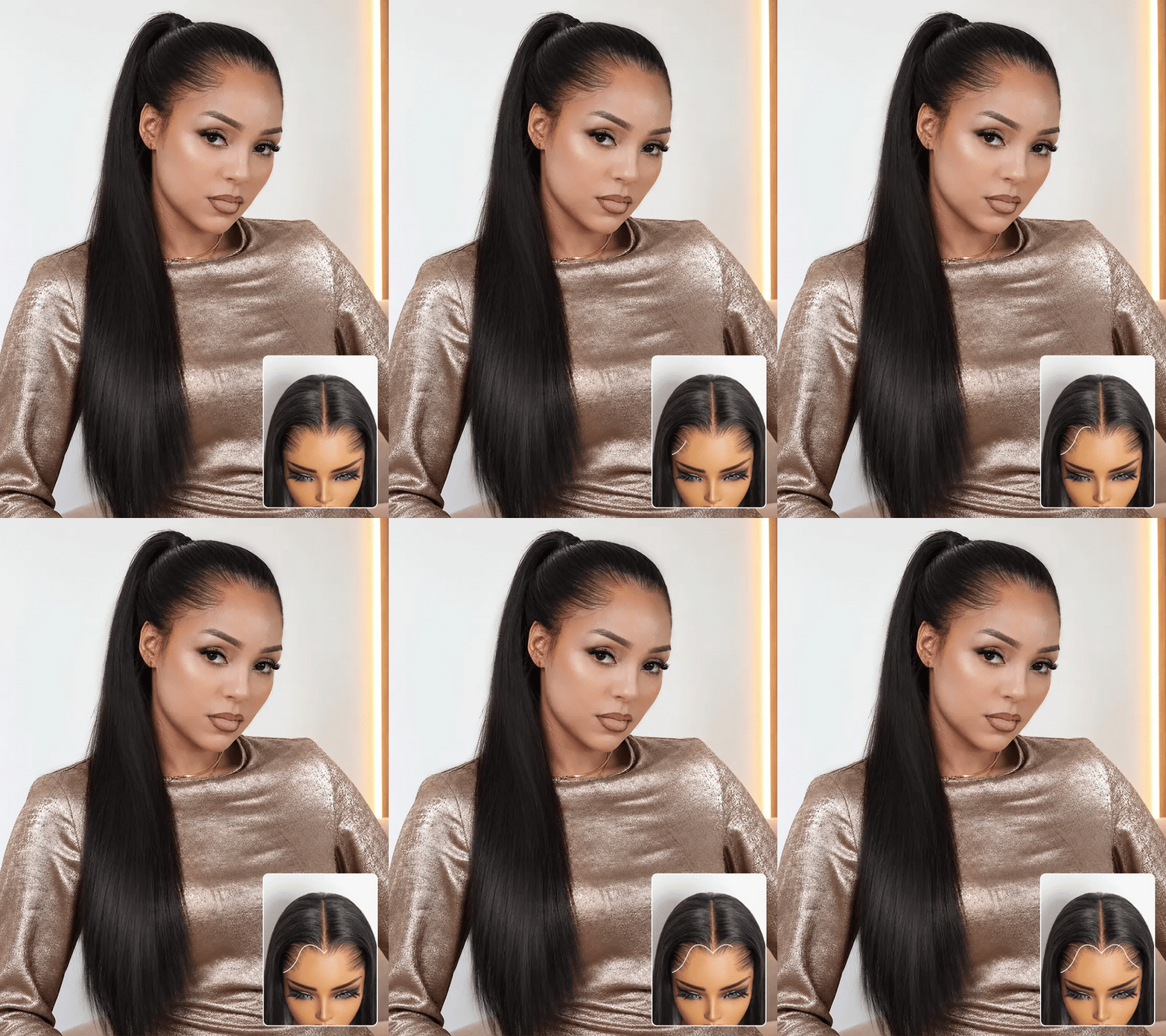
Straight Wigs
Place the wig on a flat surface or wig stand. Find the crown area and measure down to the longest tip of the hair, keeping the measuring tape aligned with the hair's natural fall.
Straight hair generally shows its listed length more directly because the strands fall downward without a pronounced curl pattern.

Wavy and Curly Wigs
For wavy or curly wigs, gently stretch an individual strand to check its full length, then measure from the crown area to the end of that strand.
Wave patterns and curls bend the hair, so a wig can look shorter when worn than its stretched measurement suggests. Avoid pulling the hair too tightly, as this can disturb the natural texture.

Layered Wigs
For layered wigs, measure from the crown area to the longest layer. If you want a more complete reference, measure shorter layers separately as well.
Layered styles may have noticeably different lengths around the face, sides, and back, so the longest strand is the main reference for the listed length.

Bob Wigs
For a bob wig, measure from the crown area to the longest point of the hair. If the bob is angled or asymmetrical, you can measure the front and back sections separately.
This helps you understand how the cut's shape affects the finished length around the jaw, neck, or shoulders.
Ponytail or Updo Styles
For ponytail wigs, measure from the base of the ponytail to the tip. For updo styles, check the length of the hair in its stretched state if you need a general reference.
The final appearance can vary depending on how the hair is gathered, wrapped, or arranged.
For a more detailed comparison of common wig lengths and how different textures appear when worn, read our Wig Length Chart and Buying Guide.
Finding the Right Fit at Luvme Hair
After recording your measurements, compare them with the cap size and adjustment details of the wig you are considering. Different cap constructions may have different circumference ranges, so a Petite, Average, or Large label should only be treated as a starting reference.
Luvme offers different wig options for shoppers looking for smaller, larger, or more adjustable cap ranges. You can explore the Large & Small Cap Wigs collection to compare available styles and fit options.
Looking for a Wig That Matches Your Measurements?
Use your head circumference as the starting point, then check the product's listed cap range, adjustment features, and construction. Compare the actual specifications before choosing a style.
Explore Large & Small Cap Wigs →If you're choosing your first wig, our first wig buying guide also explains how cap construction, lace size, texture, and length affect your selection.
FAQs About Wig Measurements
1. How do I measure my head for a wig?
Use a soft measuring tape to record your head circumference, front-to-nape distance, ear-to-ear measurements, temple-to-temple distance, and nape width. Keep the tape comfortably snug and repeat the measurements to confirm accuracy. Compare your circumference with the selected wig's listed cap range.
2. What is the average wig size?
Average or medium wig sizes commonly use a head circumference range around 21.5–22.5 inches as a starting reference. However, wig sizing varies by brand and cap construction, so always check the exact measurements listed for the selected style.
3. Should I pull the measuring tape tightly around my head?
No. The tape should sit flat against your head and feel comfortably snug without digging into your skin or compressing your hair. Pulling it too tightly can produce an inaccurate measurement and lead you to choose a smaller cap than you need.
4. How do I measure a curly wig's length?
Gently stretch one strand of the curly wig and measure from the crown area to the end of the strand. The natural curl pattern can make the wig appear shorter when worn, so its stretched measurement and visible length may differ.
5. Can wig sizes vary between brands?
Yes. Petite, Average, and Large are not universal measurements across all wig brands. Cap construction, adjustment systems, and the listed circumference range can vary. Use your actual measurements and the specific product's fit information when choosing a wig.
6. Is wig cap size the same as wig length?
No. Wig cap size refers to the measurements and fit of the cap around your head. Wig length describes how long the hair is, usually measured from the crown area to the hair ends. You should check both when comparing wigs.
Get a Better Wig Fit with Accurate Measurements
Learning how to measure for a wig helps you compare cap sizes, understand different fit requirements, and choose a hair length that matches your expectations. Start with your head circumference, record the additional measurements, and check the specific cap range before placing an order.
Remember that head shape, natural-hair volume, cap construction, and hair texture can all affect the final fit and appearance. Taking a few minutes to measure carefully can make the process of choosing your next wig easier and more informed.
Explore Luvme human hair wigs and compare the available styles, cap constructions, and lengths to find an option that suits your preferences.


 + 1
 + 1
 + 44