



Clip-in hair extensions are one of the easiest ways to add length, fullness, and styling flexibility without glue, tape, sewing, or a salon appointment. The key is not only clipping them in, but placing each weft in the right section so the clips stay hidden and the extensions blend with your natural hair.
This beginner guide explains what to prepare, where to place each clip-in weft, how to apply the set step by step, and how to blend everything for a natural finish. It works for most clip in hair extensions, including straight, body wave, yaki straight, kinky curly, and seamless clip-in sets.
To apply clip-in hair extensions, brush your natural hair first, section from the nape upward, place larger wefts across the back, use smaller wefts near the sides, and blend the extensions with your own hair using a brush, curls, or light styling. The clips should sit flat, feel secure, and stay covered by your top layer of hair.
What You Need Before Applying Clip-In Hair Extensions
Before you start, make sure your natural hair is dry, detangled, and ready to section. Clip-ins hold best when the roots are smooth but not slippery. If your hair is very fine or silky, lightly teasing the root area can help the clips grip better.
| Tool | Why You Need It |
|---|---|
| Clip-in extension set | Use different weft sizes for the back, middle, and side areas. |
| Rat-tail comb | Helps create clean horizontal sections. |
| Hair clips | Keep the top hair lifted while you attach the wefts. |
| Mirror or hand mirror | Lets you check the back and make sure the clips are hidden. |
| Brush or wide-tooth comb | Blends your natural hair with the extensions after placement. |
Best Placement Zones for Clip-In Hair Extensions
Good placement makes clip-ins look natural. Start lower, build upward, and leave enough natural hair on top to cover the clips. Avoid placing wefts too close to your part, hairline, or crown because they may show when the hair moves.
| Placement Area | Best Use | Beginner Tip |
|---|---|---|
| Nape area | First small or medium weft | Keep it low, but not so low that the clips sit on the neckline. |
| Middle back | Largest wefts for length and fullness | This is where most volume should sit. |
| Upper back | Extra fullness and blending | Leave enough top hair to hide the weft. |
| Side sections | Smaller wefts for face framing | Place slightly behind the hairline so the clips stay hidden. |
How to Apply Clip-In Hair Extensions Step by Step
-
Step 1: Brush and Prep Your Natural Hair
Brush your hair from ends to roots to remove tangles. Make sure your hair is fully dry before applying the wefts. If needed, add a light heat protectant and style your natural hair close to the texture of the extensions.
-
Step 2: Lay Out Your Clip-In Wefts by Size
Place your wefts on a clean surface and group them by width. The largest pieces usually go across the back of the head, medium pieces go through the middle, and smaller pieces go near the sides.
-
Step 3: Create the First Section Near the Nape
Use a rat-tail comb to create a straight horizontal part near the nape. Clip the top hair away. This first section gives the base layer of length and helps you build the rest of the set evenly.
-
Step 4: Clip in the Lower Weft
Open the clips, place the weft close to the roots, and snap the clips shut. Start with the center clip first, then secure the side clips. The weft should feel flat and secure, not tight or pulling.
-
Step 5: Add Larger Wefts Through the Middle Back
Let down a new section about one inch above the first weft. Add a wider weft across the back of the head. Repeat this process upward, using the largest wefts where you want the most length and fullness.
-
Step 6: Add Side Wefts for Face Framing
Use smaller wefts on each side to fill the front and create balance. Keep them behind the hairline and avoid placing them too close to the temples. Side wefts should frame the face without making the front look bulky.
-
Step 7: Let Down, Blend, and Style
Release the top section and gently brush your natural hair over the wefts. Check the back with a mirror. Curling or waving your natural hair together with the extensions can help the two blend more smoothly.
Video Tutorial: How to Apply Clip-In Hair Extensions
Watch the video below to see the placement and blending process in action. Use it as a visual reference while following the steps above.
How to Blend Clip-In Hair Extensions Naturally
Blending is what makes clip-ins look like your own hair. The closer the texture and color match, the easier the final result will be. For fine hair, choose lightweight or seamless clip in hair extensions to reduce bulk. For natural textured hair, yaki straight, kinky straight, kinky curly, or body wave textures may blend better than very silky textures.
Leave enough natural hair on top so the wefts stay hidden when you move.
Curl or wave your natural hair and extensions together for a softer transition.
If your natural ends are blunt, light layering or curls can help reduce contrast.
Too many side wefts can make the front look bulky or expose the clips.
After wearing clip-ins, remove them before sleeping to reduce pulling and tangling. Store the wefts flat or on an extension hanger. For more aftercare, read this guide on how to store clip-in hair extensions. If you are exploring protective styling beyond clip-ins, you can also compare crochet hair extensions for different install goals.
Best Luvme Clip-In Hair Extensions Picks
These Luvme clip-in options are selected for different blending needs, from lightweight invisible wefts to curly, body wave, and natural-texture finishes. Choose by matching your natural texture, color, and daily styling routine.

A lightweight choice for relaxed, blown-out, or yaki-textured blending.
Shop Now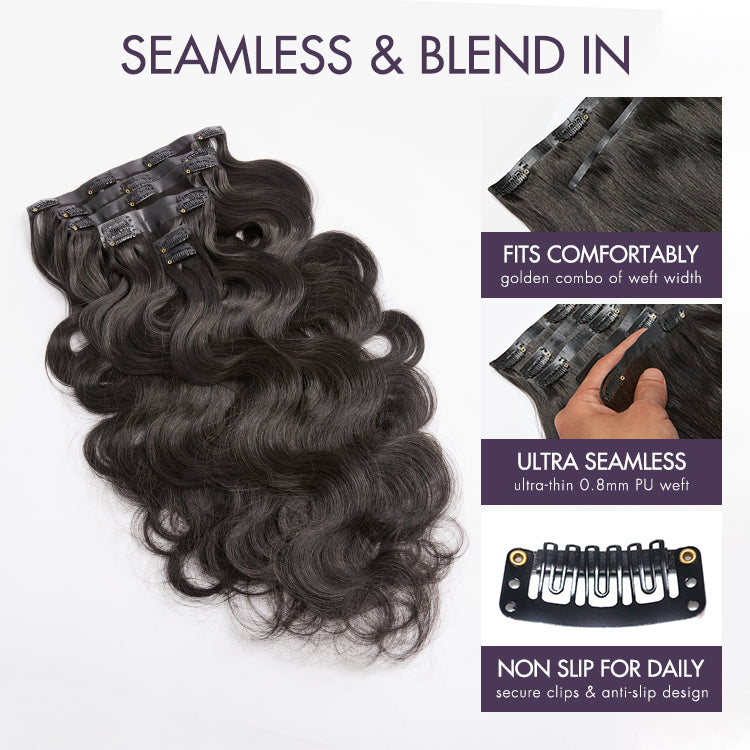
Best for loose waves, soft movement, and easy everyday volume.
Shop Now
A good match for adding curly fullness while keeping a natural texture finish.
Shop Now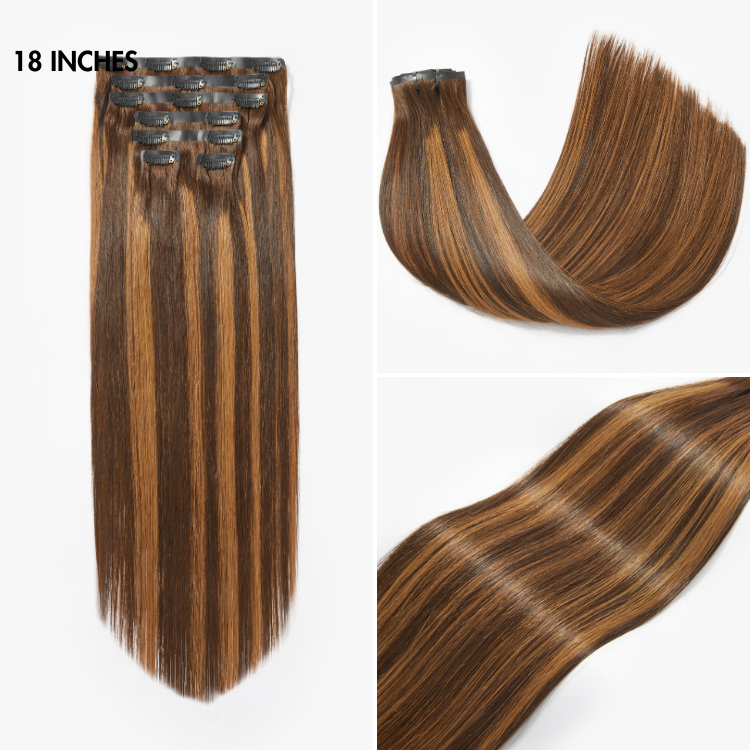
Best for smooth length with soft highlight dimension and polished styling.
Shop NowConclusion
Applying clip-in hair extensions is simple once you understand placement. Start from the nape, build through the middle back, add smaller wefts on the sides, and keep enough natural hair on top to hide the clips. For the most natural result, match your texture and color carefully, place the wefts flat against the roots, and blend everything with brushing, waves, or curls. With a little practice, clip-ins can become one of the fastest ways to switch from a simple everyday look to fuller, longer hair in minutes.
FAQ
Can beginners apply clip-in hair extensions by themselves?
Yes. Clip-in hair extensions are one of the most beginner-friendly extension types because they do not require glue, tape, sewing, or salon installation. Most beginners can apply them at home with sectioning clips, a comb, and a mirror.
Where should I place clip-in hair extensions?
Start near the nape, place larger wefts across the middle and back of the head, and use smaller wefts near the sides for face framing. Keep the clips away from the hairline and top parting so they stay hidden.
How do I stop clip-in extensions from showing?
Do not place the clips too high, leave enough natural hair on top to cover the wefts, and blend your natural hair with the extensions using curls, waves, or light brushing. Matching the texture and color also helps the clips look more natural.


 + 1
+ 1
 + 1
+ 1
 + 44
+ 44