



Bangs can be fun, but they can also become frustrating when they are too short, too thick, uneven, or stuck in the awkward grow-out stage. The good news is that you do not always need to wait months for them to grow out. With the right placement, clip-in hair extensions can help soften short bangs, blend them into longer front layers, or reshape the whole front area without a permanent change.
Hair extensions can hide bangs by adding longer face-framing pieces around the front and sides. Long clip-in extensions help blend short bangs into layers, while clip-in bangs can cover or reshape the front when your current bangs are too short, thin, or uneven.
Can You Hide Bangs with Hair Extensions?
Yes, you can hide bangs with hair extensions, but the method depends on what you are trying to fix. If your bangs are simply too short or growing out, longer clip-in wefts placed near the front and side areas can help blend them into a layered style. If your bangs are uneven, too thin, or not flattering, clip-in bangs can cover the front section and create a softer shape.
The key is not to clip extensions directly on top of the bangs. That can make the front look bulky or expose the clips. Instead, use longer pieces slightly behind the front hairline, style the bangs into the surrounding layers, and choose a texture that matches your natural hair. For a full install tutorial, you can also review this guide on how to apply clip-in hair extensions.
Best Hair Extensions to Hide or Reshape Bangs
There are two main ways to handle bangs with extensions: blend them into longer layers or cover and reshape the front. The best choice depends on your current bang length, hair thickness, and the style you want.
| Solution | Best For | How It Helps |
|---|---|---|
| Long clip-in hair extensions | Growing-out bangs, short bangs, uneven front layers | Adds longer face-framing pieces so bangs blend into the rest of the hair. |
| Clip-in bangs | Bad bang cuts, thin bangs, uneven bangs, temporary curtain bang looks | Covers or reshapes the front section instantly. |
| Soft waves or curls | Slightly short or choppy bangs | Helps hide uneven length and creates a softer transition. |
Long Clip-In Hair Extensions for Blending Bangs
Long clip-in extensions are useful when you want your bangs to disappear into a layered hairstyle. They work best when placed behind the front sections rather than directly on the hairline. This gives your bangs longer pieces to blend into, especially when you style everything together with waves, curls, or a soft blowout finish.

Ultra Natural Seamless Yaki Straight Clip in Extensions
This yaki straight texture is a strong option for blending short bangs into a more natural, relaxed-looking finish. It is especially helpful when your own hair has a blowout, silk press, or lightly textured straight look.
View This Clip-In OptionClip-In Bangs for Covering or Reshaping the Front
Clip-in bangs are better when you want to cover a bad bang cut or reshape the front without using a full set of extensions. They can create a curtain bang effect, soften the forehead area, or make thin bangs look fuller. This option is also helpful when you want to test bangs before cutting your real hair again.

100% Real Human Hair Clip-In Bangs
Clip-in bangs are a quick way to cover uneven front pieces or create a fresh curtain bang style. For the most natural result, match the color closely and place the piece slightly behind your natural hairline.
View Clip-In BangsWhat You Need Before Hiding Your Bangs
Before styling, prepare your natural hair and choose the right extension type. Your bangs should be dry, detangled, and lightly smoothed. Avoid using heavy oils near the front because they can make the clips slide or cause the bangs to separate.
| Item | Why You Need It |
|---|---|
| Long clip-in wefts | Add longer front layers to help short bangs blend into the rest of the hair. |
| Clip-in bangs | Cover or reshape the front when your natural bangs are too short or uneven. |
| Rat-tail comb | Creates clean parts around the front and side areas. |
| Flat iron or curling iron | Styles your bangs and extensions together for a smoother transition. |
| Light hairspray | Helps hold the front shape without making the hair stiff. |
How to Hide Bangs with Clip-In Hair Extensions Step by Step
-
Step 1: Smooth and part your bangs
Brush your bangs down first, then decide whether a middle part or side part will help hide them better. A side part often works well for very short or uneven bangs because it moves attention away from the center.
-
Step 2: Section the front and side areas
Use a rat-tail comb to separate the front pieces and side sections. Clip away the top layer so you can place the extension wefts underneath, not directly on the front hairline.
-
Step 3: Add clip-in wefts behind the front sections
Place small or medium wefts slightly behind the front section. Keep the clips flat against the roots and make sure there is enough natural hair on top to cover them.
-
Step 4: Blend bangs into longer layers
Gently brush your bangs toward the side or into the longer pieces. The goal is to connect the shorter bang pieces with the longer clip-in layers instead of forcing the bangs straight down.
-
Step 5: Style everything together
Use soft waves, curls, or a flat iron bend to style your bangs and extensions together. This helps remove harsh length differences and makes the front look more intentional.
-
Step 6: Check the hairline and side view
Use a mirror to check the front, temples, and side profile. If any clip is showing, move the weft slightly farther back or let down more natural hair to cover it.
How to Use Clip-In Bangs to Cover or Reshape Your Bangs
Clip-in bangs are ideal when you want a quick front-area change without cutting your own hair again. They work best when your natural hair is smooth, parted correctly, and blended around the sides.
Step 1: Prepare your natural hair
Brush your natural bangs and front hair until they are smooth. If your bangs are thick, split them lightly and tuck part of them to the side before adding the clip-in piece.
 Prepare the front section before adding clip-in bangs.
Step 2: Attach the clip-in bangs
Position the clip-in bangs near the center of the forehead, slightly behind your natural hairline. Secure the clips gently and adjust both sides until the front pieces fall evenly.
 Place the clip-in bangs slightly behind the natural hairline.
Step 3: Blend and style the front pieces
Brush the clip-in bangs with your natural hair, then use a flat iron or round brush to soften the ends. For a curtain bang look, direct each side away from the face and blend the ends into the side layers.
 Blend and shape the front pieces for a softer finish.
Tips to Make Hidden Bangs Look Natural
A close color match keeps the front from looking obvious. Root tone matters most around bangs.
Longer front layers help short bangs blend into the rest of the hair more naturally.
Curl, wave, or smooth your natural bangs and extensions together to avoid a disconnected look.
Too much gel or oil can make bangs separate, flatten, or look stiff near the hairline.
For very fine hair, lightweight or seamless clip-in hair extensions can reduce bulk near the front. For more blending help, read this guide on how to blend extensions with thin hair.
Best Luvme Hair Extensions Picks
These Luvme options are selected for different bang-hiding needs, from natural textured blending to soft curls and quick front reshaping.
Helps short bangs blend into relaxed, blown-out, or textured straight layers.
Shop Now
A quick option for covering uneven bangs or testing a curtain bang look.
Shop Now
Adds curly fullness and helps blend shorter front pieces into natural curls.
Shop Now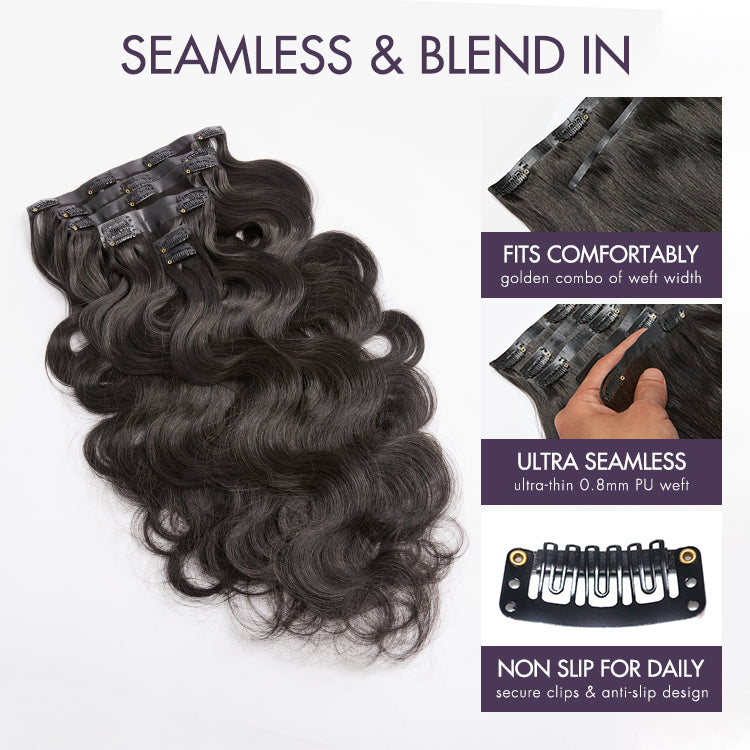
Soft waves can hide uneven bang length and create a smoother face-framing finish.
Shop NowConclusion
Hiding bangs with hair extensions is less about covering the front completely and more about blending short pieces into a better shape. Long clip-in hair extensions can help your bangs disappear into layered side pieces, while clip-in bangs can quickly cover or reshape a front section you do not love. For the most natural result, place clips slightly behind the hairline, match your color and texture carefully, and style your natural bangs and extensions together. With the right method, a bad bang cut or awkward grow-out stage can turn into a soft, intentional style in minutes.


 + 1
+ 1
 + 1
+ 1
 + 44
+ 44