



Hair extensions can be washed, but the safest method depends on the extension type, the hair material, and whether the extensions are removable or installed. Washing hair extensions the wrong way can cause tangling, dryness, slipping, dullness, or damage around clips, tape bonds, or wefts.
This guide explains how to wash hair extensions safely at home, including what to check before washing, the right step-by-step method, how often to wash them, and how to dry extensions without causing frizz or tension.
Table of Contents
Why Washing Hair Extensions the Right Way Matters
Clean extensions look softer, move better, and blend more naturally with your own hair. Product residue, dust, sweat, oils, and heat protectant can build up over time, making extensions feel heavy or stiff. A careful wash removes buildup while helping the hair stay smooth and easier to style.
The key is to wash gently. Hair extensions do not receive scalp oils in the same way natural hair does, so overwashing can dry them out. At the same time, waiting too long can make detangling harder. A balanced wash routine keeps human hair extensions fresh without shortening their lifespan.
What to Know Before Washing Hair Extensions
Check the Extension Type
Clip-in extensions should be removed and washed separately. Tape-in extensions need extra care around the adhesive area. Sew-in and crochet extensions require gentle scalp cleansing and careful drying near the braid base.
Know Whether the Hair Is Human or Synthetic
Human hair extensions can usually handle gentle shampoo, conditioner, and low-heat styling with protection. Synthetic extensions are more sensitive to hot water, high heat, and rough friction, so always follow the product care instructions.
Detangle Before Any Water Touches the Hair
Water can tighten existing knots. Detangle from the ends upward before washing, especially if the extensions are long, curly, or coated with styling product.
Protect Clips, Bonds, and Wefts
Avoid heavy conditioner near clips, tape bonds, or sewn areas. Too much product at the attachment point can cause slipping, buildup, or a less secure hold.
Step-by-Step Guide: How to Wash Hair Extensions
This method works best for removable human hair extensions, especially clip-ins and weft pieces. For tape-ins or sew-ins, follow the same gentle direction but avoid rough handling around the roots or bonds.
- Step 1: Detangle From the Ends Up Lay the extensions flat or hold one section at a time. Start at the ends and slowly work upward with your fingers, a wide-tooth comb, or an extension-friendly brush.
- Step 2: Rinse With Lukewarm Water Rinse downward so the hair stays aligned. Avoid hot water because it can dry out human hair extensions and may affect synthetic fibers or attachment areas.
- Step 3: Use a Sulfate-Free Shampoo Apply a small amount of gentle shampoo. Smooth it down the hair instead of scrubbing in circles. Focus on removing buildup without roughing up the cuticle.
- Step 4: Condition the Mid-Lengths and Ends Conditioner should go where extensions feel driest: the mid-lengths and ends. Avoid applying heavy conditioner directly to clips, tape bonds, roots, or wefts.
- Step 5: Rinse Until the Water Runs Clear Leftover shampoo or conditioner can make extensions feel heavy, dull, or sticky. Rinse gently until the water is clear and the hair feels clean.
- Step 6: Blot and Dry the Extensions Properly Press the hair with a towel to remove extra water. Do not twist or wring the extensions. Let removable extensions air dry fully before brushing, styling, or storing.
How Often Should You Wash Hair Extensions?
Hair extensions do not need to be washed as often as natural hair. The right timing depends on the extension type, how often you wear them, and how much product you use.
| Extension Type | Suggested Washing Frequency | Best Care Focus |
|---|---|---|
| Clip-In Extensions | Every 15–20 wears or when buildup appears | Wash separately and air dry fully before storage |
| Tape-In Extensions | About 1–2 times per week, depending on scalp oil | Avoid conditioner near the tape bonds |
| Sew-In Extensions | About every 1–2 weeks | Clean the scalp and dry the braid base completely |
| Human Hair Extensions | When heavy, oily, dull, or coated with product | Use gentle moisture and avoid overwashing |
How to Dry Hair Extensions Without Damage
Drying is just as important as washing. For removable extensions, lay them flat on a towel or hang them on a hair extension holder. Keep the hair smooth and separated so it dries without tangling. Do not brush aggressively while wet, because wet hair is more fragile.
If you need to blow-dry human hair extensions, use low heat and a heat protectant. For installed extensions, make sure the roots, tape area, or braid base dries fully. Damp roots can lead to discomfort, odor, or matting.
Recommended Luvme Hair Extensions and Care Tools
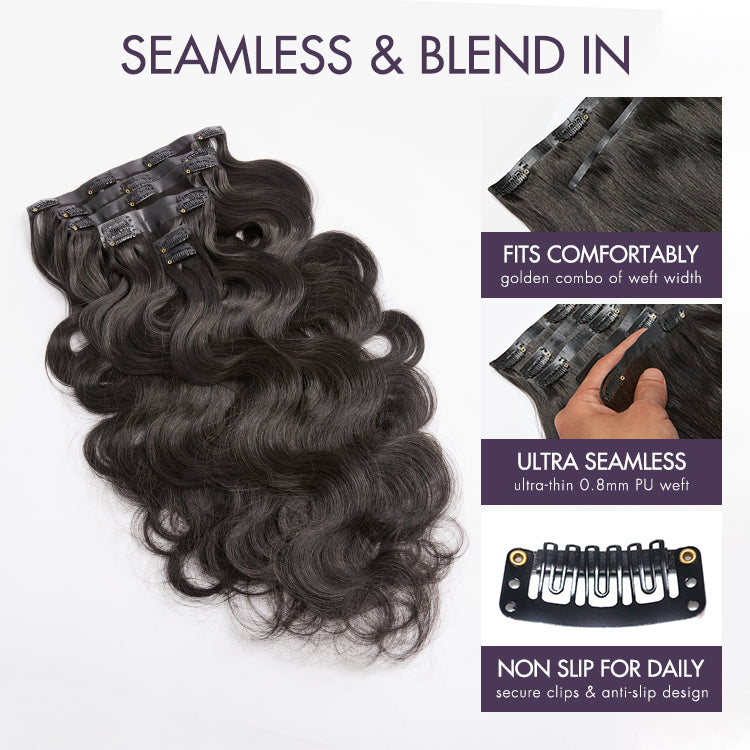
The right products and tools can make washing hair extensions easier. Smooth clip-ins are simple to rinse and detangle, body wave clip-ins need gentle wave reshaping, and care tools help keep extensions organized, hydrated, and clean between wears.
Straight Clip-In Extensions
Best for smooth styling, easy downward rinsing, and simple detangling after drying.

Soft Body Wave Clip-Ins
Best for soft movement; wash downward and reshape the wave after air drying.

Renewal Shampoo & Conditioner Set
Best for a gentle wash-and-condition routine when extensions feel dull or coated.

Renewal Hydrating Mist
Best for light moisture between washes without making extensions feel heavy.

Hair Extension Holder
Best for holding clip-ins, tape-ins, bundles, or wefts while washing, drying, or storing.
Conclusion
Washing hair extensions the right way helps keep them soft, smooth, and easier to reuse. The safest routine is to detangle first, rinse with lukewarm water, use sulfate-free shampoo, condition the mid-lengths and ends, rinse fully, and dry the extensions completely before styling or storing.
Always adjust the method to the extension type. Clip-ins are best washed separately, while tape-ins, sew-ins, and other installed extensions need extra care around the roots, bonds, or braid base. With the right washing habits and care tools, your extensions can stay fresh, natural-looking, and comfortable to wear.


 + 1
+ 1
 + 1
+ 1
 + 44
+ 44